

Plumbing systems are easy to overlook until something goes wrong. Pipes, fixtures, and water systems operate quietly behind walls and beneath floors, making it tempting to assume everything is fine until a leak, backup, or failure disrupts daily life. Unfortunately, plumbing problems rarely fix themselves, and small issues often grow into expensive repairs when ignored.
Understanding how residential plumbing systems function, and when professional help is necessary, can save homeowners money, prevent property damage, and extend the lifespan of critical systems. Knowing what to watch for, what services are available, and how preventative care works empowers homeowners to make smarter decisions before minor problems escalate into emergencies.
This guide explores essential plumbing support every homeowner should understand, focusing on practical insights, warning signs, and long-term solutions that protect both comfort and property value.
How to Recognize Hidden Problems Before They Damage Your Home

Many of the most serious plumbing problems begin in places homeowners rarely see. Pipes buried beneath the foundation, hidden behind walls, or running under landscaping are constantly exposed to pressure, moisture, temperature changes, and natural ground movement. Over time, even well-installed plumbing can weaken. Because these areas are out of sight, damage often progresses unnoticed until it reaches a breaking point.
What makes hidden plumbing issues especially dangerous is their ability to cause widespread damage before obvious symptoms appear. Moisture trapped behind walls can compromise framing, insulation, and drywall. Underground pipe failures can destabilize soil beneath the home. By the time visible signs emerge, the scope of repairs is often larger and more expensive than if the problem had been addressed early.
One of the most disruptive hidden issues involves sewer line repair. Sewer lines carry wastewater away from the home, and when they become damaged or obstructed, the entire plumbing system can be affected. Early warning signs may seem minor at first, such as slow drainage in multiple fixtures, but they often indicate a deeper problem within the main line.
Common causes of sewer line deterioration include:
-
Tree roots seeking moisture and infiltrating pipe joints
-
Aging pipes made from materials prone to corrosion or cracking
-
Soil shifting due to weather changes or nearby construction
-
Poor installation or outdated plumbing layouts
Left unaddressed, sewer line problems can lead to sewage backups inside the home or pooling wastewater in the yard, creating health hazards and structural risks. Because these lines are buried, identifying the exact location and severity of damage typically requires professional inspection.
Another serious but often overlooked concern involves leak detection services. Not all leaks produce visible puddles or dripping sounds. Some occur slowly inside walls, under floors, or beneath concrete slabs. These leaks may waste thousands of gallons of water annually while quietly weakening building materials and encouraging mold growth.
Hidden leaks often reveal themselves through subtle clues, such as:
-
Floors that feel warm, soft, or unusually damp
-
Walls that discolor, bubble, or warp
-
A constant sound of running water when no fixtures are in use
-
Decreased water pressure without an obvious cause
Homeowners should also pay close attention to changes in water usage. A sudden increase in utility bills without a change in household habits is often one of the earliest indicators of an unseen leak.
Professional diagnostics play a crucial role in identifying these issues accurately. Modern plumbing inspections rely on advanced tools such as camera inspections that travel through pipes, acoustic sensors that detect escaping water, and pressure testing to evaluate system integrity. These technologies allow technicians to locate problems precisely, reducing the need for unnecessary demolition or excavation.
Early intervention offers several important benefits:
-
Lower repair costs by addressing damage before it spreads
-
Reduced risk of mold and structural deterioration
-
Less disruption to daily life during repairs
-
Greater confidence in the overall health of the plumbing system
By recognizing early warning signs and acting quickly, homeowners can protect their property from extensive damage and avoid the stress of emergency repairs later on.
Choosing the Right Professional Support for Ongoing Plumbing Needs

Many homeowners only think about calling a plumber when something breaks, but long-term system health depends on consistent, professional support. Plumbing systems experience daily wear from water pressure, temperature fluctuations, and regular use. Without routine oversight, small inefficiencies can quietly evolve into costly failures.
Reliable plumbing services go far beyond emergency repairs. They encompass inspections, maintenance, performance testing, and preventative care designed to keep systems functioning efficiently year after year. Homeowners who take a proactive approach often experience fewer emergencies, lower repair costs, and longer-lasting plumbing components.
One of the most valuable aspects of professional support is early problem detection. Experienced technicians know how to spot warning signs that homeowners may overlook, such as minor pressure fluctuations, early corrosion, or slow-forming clogs. Addressing these issues early prevents strain on pipes and fixtures and helps maintain consistent water flow throughout the home.
A key component of ongoing maintenance is scheduling a routine drain cleaning service. Drains gradually collect buildup from soap residue, grease, food particles, hair, and mineral deposits. Even when water appears to drain normally, partial blockages can increase internal pressure and weaken pipe walls over time.
Benefits of routine drain maintenance include:
-
Reduced risk of sudden clogs or backups
-
Improved drainage speed and consistency
-
Less stress on pipe joints and seals
-
Early identification of recurring blockage patterns
Professional drain cleaning methods are far safer and more effective than repeated use of chemical cleaners. Harsh chemicals may offer temporary relief, but they can erode pipes and worsen long-term damage, particularly in older plumbing systems.
Choosing the right professional also means evaluating experience, communication, and transparency. Homeowners should look for providers who clearly explain findings, outline recommended solutions, and offer guidance on maintenance schedules rather than only responding to emergencies. A trusted professional partner becomes familiar with the home’s plumbing layout, making future service faster and more accurate.
Ongoing professional support allows homeowners to:
-
Plan maintenance instead of reacting to failures
-
Budget more predictably for plumbing care
-
Extend the lifespan of pipes and fixtures
-
Reduce the likelihood of after-hours emergencies
By investing in consistent, professional maintenance, homeowners create a more reliable plumbing system and gain peace of mind knowing potential problems are being addressed before they disrupt daily life.
Keeping Bathroom Plumbing Functional and Efficient
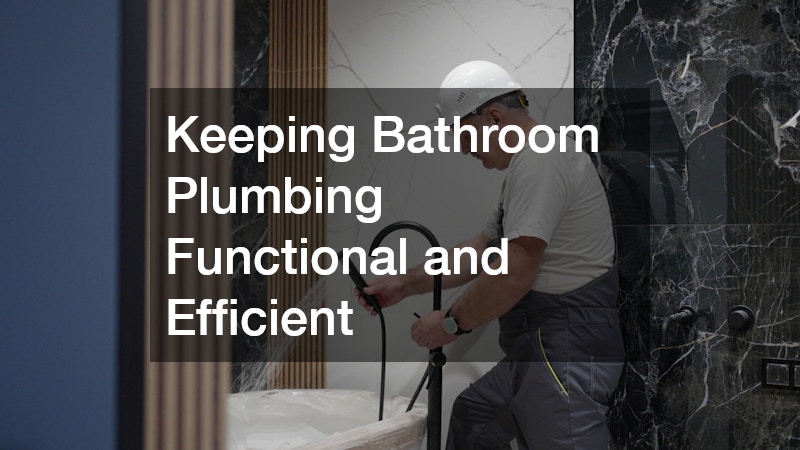
Bathrooms are among the most heavily used areas in any home, placing constant demand on plumbing fixtures and water systems. From frequent flushing to daily hot water use, bathroom plumbing experiences wear faster than many other parts of the house. Without proper attention, minor issues can quietly reduce efficiency, increase water waste, and lead to more serious damage.
One of the most common bathroom concerns homeowners face involves toilet repair. Toilets rely on multiple internal components working together, and when even one part begins to fail, performance suffers. Problems such as running water, weak flushing, or frequent clogging may seem minor at first but often signal underlying mechanical wear.
Common toilet issues that warrant professional attention include:
-
Constant running that increases water usage
-
Leaks around the base that can damage flooring
-
Cracks in the tank or bowl
-
Frequent clogs despite normal usage habits
Addressing these issues early helps prevent water damage, reduces unnecessary utility costs, and ensures reliable performance.
Equally important to bathroom functionality is consistent access to hot water. When problems arise, timely water heater repair can restore comfort and prevent full system breakdown. Early warning signs often include fluctuating water temperatures, reduced hot water supply, or unusual noises coming from the unit.
Bathroom plumbing inefficiencies can also stem from sediment buildup inside pipes or fixtures, which restricts water flow and strains equipment. Over time, this buildup can shorten the lifespan of plumbing components and lead to more frequent service needs.
Homeowners can support bathroom efficiency by:
-
Monitoring water pressure and temperature consistency
-
Addressing minor leaks immediately
-
Scheduling periodic professional inspections
-
Avoiding flushing non-flushable items
Professional maintenance ensures that bathroom plumbing operates safely, efficiently, and reliably. By responding quickly to early warning signs and investing in routine care, homeowners can avoid disruptions, protect interior finishes, and maintain a comfortable living environment for everyone in the household.
Planning Smart Upgrades That Improve Water Quality and Performance

Water quality plays a major role in the health of a home’s plumbing system and the comfort of the people living in it. Minerals, sediment, and chemical additives can gradually affect pipes, fixtures, appliances, and even skin and hair. Over time, untreated water may reduce efficiency, increase maintenance needs, and shorten the lifespan of plumbing components.
Many homeowners choose water softener installation to address problems caused by hard water. Hard water contains elevated mineral levels that leave scale deposits inside pipes, faucets, and appliances. This buildup restricts water flow and forces systems to work harder, increasing energy consumption and wear.
Signs that hard water may be affecting your home include:
-
White or chalky residue on fixtures
-
Reduced efficiency of dishwashers and washing machines
-
Soap that does not lather easily
-
Dry skin or dull hair after bathing
A properly installed softening system reduces mineral buildup, improves water efficiency, and helps plumbing components last longer.
Another increasingly popular upgrade is water filtration installation, which targets impurities that affect taste, odor, and safety. Filtration systems can reduce chlorine, sediment, and other contaminants, providing cleaner water for drinking, cooking, and bathing. Improved water quality also benefits plumbing by reducing corrosive elements that degrade pipes over time.
Homeowners planning water quality upgrades should consider several important factors:
-
Household water usage and flow demand
-
Local water conditions and contaminant levels
-
Space availability for equipment
-
Maintenance requirements and filter replacement schedules
Professional evaluation ensures systems are correctly sized and installed for maximum effectiveness. When thoughtfully planned, water quality upgrades not only enhance daily comfort but also protect plumbing systems, reduce long-term maintenance costs, and improve overall household efficiency.