
Understanding roofing terminology is incredibly helpful for homeowners, especially when discussing repairs, estimates, or maintenance with a contractor. Knowing the right terms makes communication easier, helps you understand what your roofer is recommending, and gives you confidence when evaluating options for your home. Whether you’re planning future upgrades or calling a local roof repair service for an urgent leak, these key roofing terms will help you navigate the process with clarity.
Below is a homeowner-friendly guide to the roofing terms you should know.
Shingles
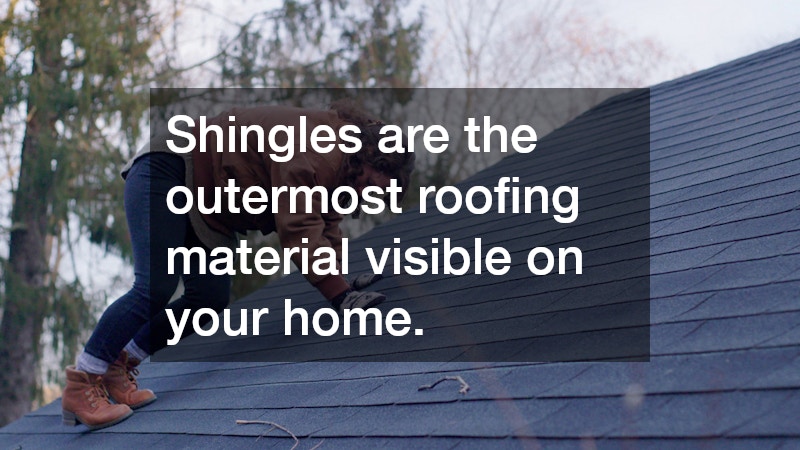
Shingles are the outermost roofing material visible on your home. Common types include asphalt, wood, tile, metal, and slate.
They protect the roof from weather and enhance curb appeal. If your shingles crack, curl, or fall off, it’s a sign you should contact your local roof repair service for an inspection.
Underlayment
Underlayment is a layer of water-resistant or waterproof material installed between the roof deck and shingles. It acts as a protective barrier against moisture. Synthetic underlayment and felt underlayment are the most common types.
Roof Decking
Decking (also known as sheathing) is the wooden surface that shingles and underlayment attach to. It’s typically made of plywood or oriented strand board (OSB). Soft spots or sagging often indicate rotting decking, which requires professional repair.
Flashing
Flashing is thin metal material installed around roof openings and intersections—such as chimneys, skylights, vents, and valleys. Its purpose is to prevent water from entering vulnerable areas. Damaged flashing is one of the most common causes of roof leaks.
Drip Edge
A drip edge is a metal strip installed along the edges of the roof to direct water away from the fascia and into the gutters. Homes without drip edge often experience water damage along the roofline. Many modern building codes require it.
Fascia
Fascia boards run horizontally along the roof edge, supporting the lower row of shingles and the gutter system. If the fascia becomes soft or rotten, it needs immediate attention from a local roof repair service to prevent structural issues.
Soffits
Soffits are located beneath roof overhangs. They provide ventilation to the attic by allowing air to flow into the roof system. Poor ventilation in the soffit area can lead to mold growth, higher energy bills, and premature shingle deterioration.
Ridge and Ridge Cap
The ridge is the highest point of the roof where two slopes meet. Ridge caps are specially designed shingles or tiles installed over the ridge to seal the joint and prevent water intrusion. Many roofs also incorporate a ridge vent for improved ventilation.
Valleys
A roof valley is where two roof slopes meet, forming a channel that directs water downward. Because valleys handle a high volume of water runoff, they are common areas for leaks. Proper installation and flashing are crucial in these sections.
Gables
A gable is the triangular portion of a wall between the edges of intersecting roof pitches. Gable roofs are among the most common roof styles in residential homes.
Dormer
Dormers are structures that extend from the roof and contain windows. They increase natural light and interior space but also require careful flashing to avoid leaks.
Roof Pitch
Pitch refers to the slope or steepness of the roof, typically expressed as a ratio (e.g., 6:12). Steeper roofs shed water more easily, while low-slope or flat roofs require specialized materials to prevent water pooling.
Eaves
Eaves are the portions of the roof that extend beyond the walls of the house. They help direct rainwater away from the foundation and protect siding from moisture.
Gutters and Downspouts
Gutters collect rainwater from the roof and channel it through downspouts away from the home’s foundation. Clogged or damaged gutters can cause water to back up under shingles or overflow, damaging fascia and siding.
Ventilation System
Proper roof ventilation maintains airflow through the attic to reduce heat and moisture buildup. Common components include:
-
Ridge vents
-
Soffit vents
-
Gable vents
-
Roof vents (box or turtle vents)
Poor ventilation is a major factor in premature roof failure.
Ice and Water Shield
This is a waterproof membrane installed in vulnerable areas such as valleys, eaves, and around roof penetrations. It helps prevent leaks caused by ice dams or wind-driven rain.
Roof Penetrations
Any feature that protrudes through the roof—such as plumbing vents, exhaust fans, or skylights—is considered a roof penetration. These areas require careful sealing and flashing.
Roof Leak
A roof leak is any unwanted water intrusion, often caused by damaged shingles, cracked flashing, clogged gutters, or deteriorated underlayment. Because leaks worsen quickly, homeowners should contact a local roof repair service at the first sign of moisture.
Granules
Asphalt shingles contain protective mineral granules that shield them from UV rays. Granule loss—often seen in gutters—signals aging shingles and may indicate your roof needs repair or replacement.
Blistering and Curling
These are common forms of shingle damage. Blistering occurs when trapped moisture or gas bubbles rise to the surface. Curling typically occurs from age, poor ventilation, or repeated temperature fluctuations.
Tear-Off
A tear-off refers to removing old roofing materials before installing a new roof. Although more labor-intensive, it allows roofers to inspect underlying components and ensure a solid foundation.
Roof Replacement
A full replacement involves removing all layers of the roof down to the decking and installing a new roofing system. This becomes necessary when repairs are no longer sufficient.
Learning these roofing terms empowers homeowners to make informed decisions, spot early signs of damage, and communicate clearly with professionals. Whether you’re dealing with a minor repair or planning a major improvement, having a foundational understanding of roofing terminology helps you navigate the process confidently. And when issues arise, partnering with a trusted local roof repair service ensures your roof receives the expert attention it needs to stay strong and reliable for years to come.