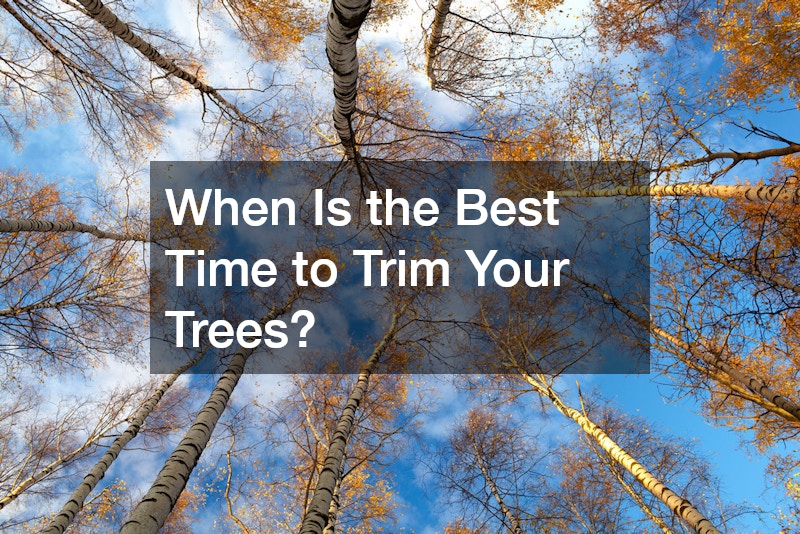
Trees are a valuable part of any property. They provide shade, improve curb appeal, boost property value, and even enhance air quality. However, like any living thing, trees require proper care and maintenance to stay healthy and safe. One of the most common questions homeowners ask is: when is the best time to trim your trees? While the answer can vary depending on tree type and climate, there are general guidelines that can help you make the right decision—and know when to call a professional tree cutting service.
Late Winter: The Ideal Time for Most Trees
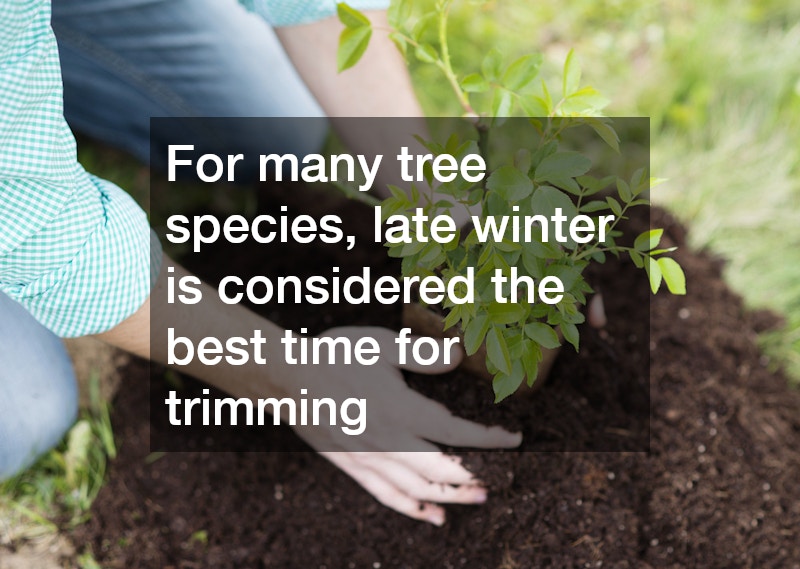
For many tree species, late winter is considered the best time for trimming. During this period, trees are dormant, meaning they are not actively growing.
Pruning during dormancy minimizes stress on the tree and reduces the risk of disease or pest infestation.
Without leaves blocking the view, arborists can clearly see the tree’s structure and identify dead, damaged, or crossing branches. A professional tree cutting service often recommends late winter trimming because it encourages vigorous growth in the spring while allowing wounds to heal quickly as the growing season begins.
Early Spring: Strategic Pruning Before Growth
Early spring, just before buds open, is another favorable time for trimming. This timing allows homeowners to shape trees and remove weak limbs before the rapid growth period starts. However, once trees begin actively leafing out, it’s generally best to avoid heavy pruning, as it can interfere with growth cycles.
A tree cutting service can assess whether your trees are at the right stage for safe trimming. In some cases, light maintenance pruning in early spring can improve air circulation and overall health without harming the tree.
Summer: Light Maintenance and Hazard Removal
While heavy pruning is often avoided in peak summer, light trimming can still be beneficial. Summer is a good time to remove broken branches caused by storms or to trim limbs that pose a safety hazard. If branches are hanging too close to your roof, driveway, or power lines, addressing them quickly can prevent damage.
A tree cutting service may also recommend summer pruning to slow the growth of overly vigorous trees. By selectively trimming certain branches, you can manage shape and size without compromising long-term health.
Fall: Usually Not Recommended
Fall is typically the least ideal time to trim most trees. During autumn, trees are preparing for dormancy, and pruning cuts may heal more slowly. This slower healing can increase the risk of disease, particularly fungal infections that thrive in cool, damp conditions.
Additionally, trimming in fall may stimulate new growth that doesn’t have time to harden before winter arrives. This tender growth can be damaged by freezing temperatures. For these reasons, many professionals advise waiting until winter or early spring to schedule work with a tree cutting service unless there is an urgent safety concern.
Emergency Situations Require Immediate Attention
While timing matters for routine maintenance, some situations require immediate action regardless of the season. Storm damage, split trunks, or branches threatening structures or power lines should be addressed right away. Waiting for the “ideal” season in these cases can lead to costly damage or serious injury.
A qualified tree cutting service can quickly evaluate the risk and safely remove hazardous limbs. Professional equipment and training are especially important when dealing with large trees or high branches.
Tree Type Matters
Different tree species have unique trimming needs. For example, flowering trees should often be pruned shortly after they bloom to preserve next year’s flowers. Fruit trees benefit from dormant-season pruning to encourage healthy production. Evergreen trees may have slightly different guidelines than deciduous varieties.
Because of these differences, working with a knowledgeable tree cutting service ensures that trimming aligns with the specific requirements of your trees. Incorrect timing can affect flowering, fruit production, and overall vitality.
Benefits of Regular Tree Trimming
Routine trimming offers several advantages beyond aesthetics. It improves structural integrity by removing weak or crossing branches, reduces the risk of storm damage, enhances sunlight penetration, and promotes better airflow. Healthy trees are less likely to develop disease and are more resilient during extreme weather conditions.
Scheduling periodic maintenance with a tree cutting service also allows professionals to inspect trees for early signs of decay, pest infestation, or structural weakness. Early detection often prevents costly removals later.
Why Professional Service Is Important
Tree trimming may seem straightforward, but improper cuts can damage trees permanently. Over-pruning can weaken the tree, while incorrect cuts can leave it vulnerable to infection. Additionally, trimming large trees can be dangerous without proper tools and experience.
A professional tree cutting service understands correct pruning techniques, safety procedures, and local regulations. They can also ensure that trimming improves both the health and appearance of your trees without causing unintended harm.
The best time to trim your trees depends on the species, climate, and purpose of pruning. For most trees, late winter or early spring offers the greatest benefits, while fall is generally avoided for routine maintenance. Emergency situations, however, should be handled immediately regardless of season.
Partnering with a trusted tree cutting service ensures that your trees are trimmed at the right time and in the right way. With proper timing and professional care, your trees will remain healthy, attractive, and safe for years to come.