
1. Identify the Problem
Before contacting an electrician service, it is crucial to pinpoint the exact issue you are facing. This can involve checking for obvious signs of electrical problems like flickering lights or malfunctioning outlets.
Identifying the problem helps provide a clearer description when reaching out to professionals.
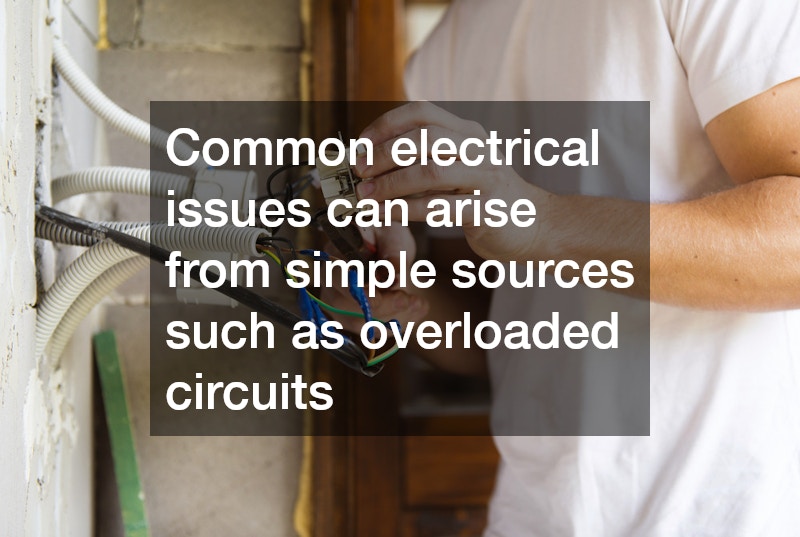
Common electrical issues can arise from simple sources such as overloaded circuits. Understanding these problems can aid you in deciding if an immediate call to an electrician is necessary. By describing the signs you observe, electricians can often provide preliminary advice or anticipate the necessary repairs.
Moreover, having a basic understanding of the problem can prevent unnecessary service calls, saving both time and money. Knowing whether a blown fuse or a tripping breaker is the cause may help you resolve minor issues independently. However, safety should always be the priority, and complex issues should be left to professionals.
2. Ensure Safety Measures
Ensuring safety measures before potentially interacting with electricity is paramount. First, turn off the power to the affected area from the main service panel to avoid accidental electrocution or other hazards. This precaution is especially important if you notice signs of overheating or sparking from appliances.
Check for any visible hazards such as frayed wires or exposed circuits that could pose a risk. If such conditions are present, it is advisable to evacuate the area and contact an electrician immediately. Oftentimes, a quick check for these hazards can prevent more significant issues from occurring.
Additionally, make certain that all electrical devices in the vicinity are turned off, unplugged, and kept away from water sources. By adhering to these safety protocols, you reduce the risks involved and make it safer for both yourself and the incoming electrician service when they assess the situation.
3. Gather Necessary Information
Preparing detailed information about your electrical system can facilitate a smoother service process. Gather documentation like past maintenance records or electrical circuit diagrams, which can provide valuable insights into your system’s setup. This information equips electricians with background knowledge, assisting in accurate diagnostics.
If you’ve experienced recurring issues, take note of the patterns, frequencies, and any changes in electrical consumption over time. This data can be highly beneficial during the troubleshooting process. By offering a comprehensive overview, you enable the electrician service professionals to expedite their work more effectively.
Make a list of any questions or concerns you might have about your electrical system to address during the service call. Not only does this ensure that all issues are covered, but it also provides a better understanding of the overall health of your electrical infrastructure. Clear communication can enhance the quality and satisfaction of the service received.
4. Consider Temporary Solutions
For non-urgent matters, temporary solutions might suffice until professional help arrives. Simple actions like using extension cords for unaffected power sources can maintain functionality for essential appliances. However, these measures should be approached cautiously to prevent overloading circuits or creating new hazards.
Equip yourself with basic tools and knowledge to perform minor fixes if safe to do so, such as tightening loose outlets or replacing damaged light bulbs. Minor maintenance tasks can often serve as interim solutions while waiting for a more comprehensive electrician service. These small efforts can mitigate discomfort and prevent further degradation of electrical installations.
Nonetheless, it’s critical to recognize when temporary solutions no longer suffice, and professional intervention is requisite. Relying on these solutions for an extended period can exacerbate underlying problems, leading to more severe damage or safety risks. Immediate action should be taken if the situation worsens despite interim adjustments.
5. Schedule the Service Call
When you have gathered all necessary information and ensured safety measures, proceed to schedule the service call. Be prepared to share detailed descriptions of the issue and any actions taken during your initial assessment. Providing this information allows the electrician service to anticipate the necessary resources and time allocation for your visit.
Consider the urgency of your situation and choose an appointment time that suits your availability. When making the appointment, confirm any protocols or safety measures the electrical service requires in light of ongoing health guidelines or restrictions. This way, you ensure both compliance and efficiency for the upcoming service.
Through timely and efficient scheduling, you secure a slot with a skilled electrician who can address your problems comprehensively. The preparatory steps you’ve taken ultimately contribute to a smoother, more effective service experience. Timely interventions can safeguard your property and enhance the longevity of your electrical systems.