

Selling a home is never just about location or square footage. Buyers form an impression the moment they pull into the driveway, and that impression often determines what they are willing to pay. Small issues left unaddressed can compound into major price reductions during negotiations, while a well-maintained property can command top dollar and sell faster. Understanding how condition impacts value gives you the power to prioritize repairs that actually matter before you list.
Why First Impressions Set the Tone for Offers
The exterior of a home is the first thing a buyer evaluates, often before they even step out of their car. A tired, overgrown yard or a cracked walkway can make buyers assume the rest of the house has been neglected too, even if that is not true. This is why many sellers bring in a landscaping contractor a few weeks before listing to trim overgrown shrubs, refresh mulch beds, and create a clean, welcoming look.
Outdoor living spaces also play a bigger role in buyer perception than many homeowners realize. A worn, cracked patio can make a backyard feel neglected, while a smooth, well-built one signals move-in readiness. Hiring a patio installation company to repair or replace a damaged slab can make outdoor entertaining areas feel like a genuine selling point rather than a liability.
- Trim trees and bushes so they do not block windows or walkways
- Refresh mulch and edge garden beds for a clean look
- Repair or repave cracked patios and walkways
- Add simple, low-maintenance plants near the entryway
The Hidden Cost of Roof and Water Damage
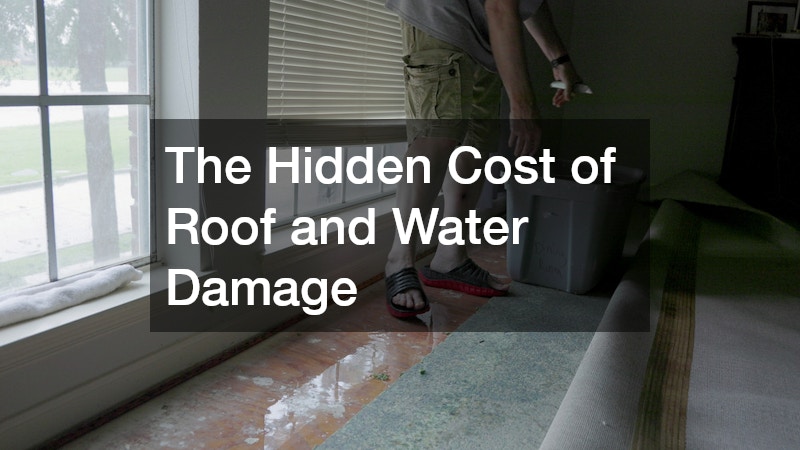
Nothing spooks a buyer faster than water stains on a ceiling or a home inspection report flagging roof damage. Even a small, active leak can suggest ongoing structural issues, and buyers will often demand a price reduction far larger than the actual repair cost. Addressing roof leak repair before listing protects your negotiating position and prevents last-minute surprises during inspection.
Gutters are just as important as the roof itself, since they direct water away from the foundation and siding. Clogged or damaged gutters can cause overflow that leads to rot, mold, or foundation cracks over time. Scheduling local gutter services to clean and repair the system ensures water is properly channeled away, which is a detail sharp-eyed buyers and inspectors will notice.
- Check attic spaces for water stains or soft spots
- Clear debris from gutters at least twice a year
- Repair flashing around chimneys and vents
- Confirm downspouts direct water at least three feet from the foundation
Structural and Safety Issues That Scare Away Buyers
Some condition issues go beyond cosmetic concerns and touch on buyer safety, which can kill a deal entirely if not disclosed and handled properly. Homes built before the 1980s may contain asbestos in insulation, flooring, or popcorn ceilings, and buyers are increasingly aware of the health risks involved. Having a professional asbestos removal assessment done ahead of time can prevent a deal from falling apart during inspection negotiations.
Pest infestations are another red flag that can derail a sale quickly, since they suggest ongoing property damage that may not be visible on the surface. Termites, rodents, or carpenter ants can compromise wood framing and insulation, leading buyers to assume the worst about the home’s overall condition. Bringing in pest control professionals for an inspection and treatment plan reassures buyers that the issue has been fully addressed rather than hidden.
- Request a pest inspection before listing, not after an offer
- Document any past treatments and warranties for buyer transparency
- Address moisture problems that attract pests in the first place
- Disclose known hazardous materials honestly to avoid legal issues later
Plumbing Problems Buyers Notice Immediately
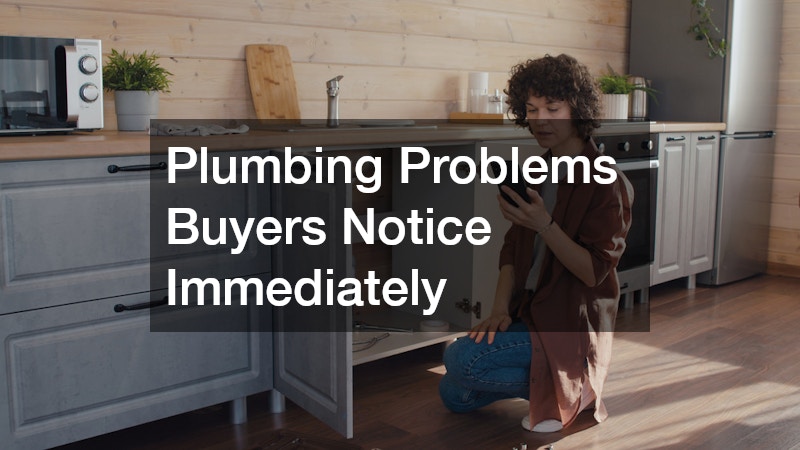
Slow drains, gurgling pipes, and lingering odors are among the first things buyers test when touring a home, even if they do not realize it consciously. A sluggish drain can suggest a clog deep in the line or, worse, a cracked pipe that could lead to costly repairs down the road. Investing in drain cleaning services before showings ensures water flows properly and eliminates one of the easiest ways a buyer can talk themselves out of an offer.
Beyond the inconvenience factor, plumbing issues often surface during home inspections and can lead to significant price negotiations. Buyers frequently overestimate the cost of plumbing repairs, which means even a minor issue can result in a disproportionate price reduction request. Clearing blockages and confirming healthy water pressure throughout the house removes this uncertainty from the equation.
- Run water in every sink, tub, and shower before listing
- Note any recurring clogs and have them professionally cleared
- Check for slow drainage in basement or laundry room fixtures
- Keep maintenance records to show buyers the system has been cared for
Bathrooms and Their Outsized Impact on Value
Bathrooms are one of the highest-return spaces when it comes to condition-related upgrades, and buyers often judge the entire home based on how updated these rooms feel. Outdated tile, worn vanities, or old fixtures can make a home feel dated even if everything else has been updated. A modest bathroom remodeling project focused on fresh paint, updated hardware, and a new vanity can significantly shift buyer perception without requiring a full renovation budget.
Shower enclosures in particular tend to catch a buyer’s eye, since cloudy glass or moldy curtains read as neglect even in an otherwise clean bathroom. Swapping an old shower curtain or dated sliding door for a clean glass shower door installation instantly modernizes the space and photographs beautifully for online listings. This kind of targeted update often costs far less than buyers assume and can make a strong impression during in-person showings.
- Replace caulk and grout to instantly freshen a bathroom’s appearance
- Update lighting fixtures for a brighter, more modern feel
- Consider a frameless glass enclosure to make small bathrooms feel larger
- Repaint vanities instead of replacing them to save on cost
Managing Trees and Outdoor Hazards Before Listing

Large trees add value and curb appeal, but dead branches, leaning trunks, or roots pushing up sidewalks can raise red flags for buyers and inspectors alike. A tree that appears unstable or too close to the house can make buyers worry about future storm damage or foundation issues. Scheduling tree removal services for any hazardous or dying trees before listing removes this concern and shows buyers the property has been well cared for.
Beyond safety, tree placement affects how buyers perceive natural light and yard usability, two factors that influence how much they are willing to offer. Overgrown trees that block windows can make interior rooms feel darker and smaller than they actually are. Thinning out or removing problematic trees can open up sightlines and make both the interior and exterior feel more spacious.
- Have an arborist assess any trees showing signs of disease or instability
- Remove dead limbs that could fall during storms
- Trim branches away from the roofline to prevent damage
- Clear stumps that make the yard look unfinished
How Deferred Maintenance Adds Up in Buyer Negotiations
Deferred maintenance rarely shows up as one big problem; instead, it accumulates as a series of small, unresolved issues that buyers notice one by one. A sticky door, a cracked outlet cover, a dripping faucet, a loose stair railing, or a caulking gap around the tub may seem minor individually, but together they create an impression that the home has not been properly maintained. Buyers often mentally add up these small issues and use them to justify a lower offer, even if the total repair cost is modest.
This effect is well documented by real estate agents and appraisers, who often refer to it as “death by a thousand cuts.” A single $150 repair rarely changes a buyer’s decision, but a home inspection report listing fifteen or twenty small deficiencies can shift a buyer’s entire perception of the property’s care and value. Psychologically, buyers start to wonder what else might be wrong that isn’t visible, such as deferred HVAC servicing or an aging water heater, and they price in that uncertainty.
Negotiation leverage compounds the problem. Buyers frequently use inspection findings as a bargaining tool, requesting either a price reduction or a credit toward closing costs, and sellers often end up conceding more than the actual repair costs would suggest just to keep the deal moving forward. It is not uncommon for a seller to lose several thousand dollars in negotiated concessions over issues that could have been fixed beforehand for a few hundred dollars in materials and a weekend of labor.
The math rarely favors procrastination. A pre-listing walkthrough that addresses squeaky hinges, chipped paint, loose cabinet hardware, and minor plumbing drips can cost a few hundred dollars, yet it removes the ammunition buyers would otherwise use to chip away at the asking price during negotiations.
The psychological impact of visible neglect can be more damaging than the actual dollar cost of the repairs themselves. Buyers often assume that if they can see a problem — a cracked doorknob, a leaky faucet, peeling caulk around the tub — there must be worse problems hiding behind the walls. Research from the National Association of Realtors has shown that buyers will mentally discount an offer well beyond the actual repair cost once they spot several small issues, because each flaw chips away at their trust in the home’s overall condition.
A home that shows pride of ownership signals to buyers that bigger, unseen systems like wiring, plumbing, and HVAC have likely been maintained too. Conversely, a loose cabinet hinge or a stained ceiling tile can trigger a mental checklist of “what else is wrong,” even if the underlying systems are perfectly sound.
Walking through your home with a critical eye, room by room, is one of the most effective ways to catch these small issues before a buyer does. Check for sticking doors and windows, worn weatherstripping, dripping fixtures, cracked grout, and scuffed baseboards — items that cost little to fix but carry outsized weight in a buyer’s first impression. Tackling this list a few weeks before listing, rather than the night before a showing, gives you time to address issues properly instead of masking them with quick, visible patches.
- Fix squeaky doors, loose handles, and broken cabinet hardware — these small repairs cost under $50 in parts but signal neglect that buyers use to justify lowball offers
- Patch nail holes, touch up scuffed paint, and consider a fresh coat in high-traffic areas like hallways and entryways where wear is most visible
- Replace burnt-out bulbs and swap outdated light fixtures for simple, modern options; buyers often mentally deduct $200-$500 per fixture they plan to change
- Test all major appliances (oven, dishwasher, HVAC, water heater) to confirm they’re in working order, since inspectors flag any malfunction as a negotiation point
- Check for slow drips, running toilets, or weak water pressure — minor plumbing issues are cheap to fix but frequently appear on inspection reports as red flags
- Walk through each room with a critical eye, noting anything a home inspector might catch, since buyers often request credits worth two to three times the actual repair cost
What Inspectors and Appraisers Actually Look For

Understanding the inspection process helps sellers anticipate what buyers will focus on before an offer is finalized. Inspectors typically evaluate the roof, foundation, electrical systems, plumbing, and HVAC, looking for both safety hazards and signs of poor maintenance. Appraisers, on the other hand, compare your home’s condition to similar recently sold properties, meaning visible wear can directly reduce the comparable value assigned to your home.
Knowing this, sellers benefit from addressing issues that appear on almost every inspection checklist rather than guessing which repairs matter most. Correcting these standard checklist items ahead of time reduces the chance of surprises that could delay closing or reopen price negotiations. A pre-listing inspection can be a smart investment, giving you the chance to fix problems on your own terms rather than the buyer’s.
- Test smoke and carbon monoxide detectors throughout the home
- Confirm the water heater and HVAC system are functioning properly
- Check for proper attic insulation and ventilation
- Review electrical panels for outdated or unsafe wiring
Prioritizing Repairs for the Best Return
Not every repair delivers the same return, so it helps to prioritize projects based on what buyers notice most and what inspectors are likely to flag. Focus first on health and safety issues, since these can stop a sale entirely if left unresolved. From there, move to visible cosmetic updates that shape first impressions, followed by smaller maintenance items that add up in a buyer’s mind.
Creating a simple priority list before you start spending money helps you avoid over-improving in ways that do not match your local market. Not every home needs a full renovation to sell well; often it is the combination of small, strategic fixes that makes the biggest difference in final sale price. Consulting with a local real estate agent can help you understand which repairs buyers in your specific market value most.
- Address safety hazards and major systems first
- Handle visible cosmetic repairs buyers notice immediately
- Tackle small maintenance items that create a cumulative impression
- Get a second opinion from an agent familiar with your local market
Conclusion
The condition of your home speaks before you ever say a word to a potential buyer, shaping their first impression and their final offer. By addressing safety concerns, tackling visible wear, and fixing the small details that add up, you put yourself in a stronger position at the negotiating table. Start with a walkthrough of your own property, list the issues that stand out, and prioritize fixes that protect both your asking price and your timeline. Taking these steps now means fewer surprises later and a smoother path to a sale price that reflects your home’s true value.