A sandblaster can be a valuable tool for completing a wide variety of projects involving cleaning, restoration, surface preparation, and customization. The process uses abrasive material propelled at high speed to remove unwanted coatings or alter the texture of a surface. Depending on the equipment, abrasive material, and surface being treated, this technique can be useful for projects ranging from restoring old metal objects to preparing large components for a new finish.
Restore Metal Furniture and Outdoor Items
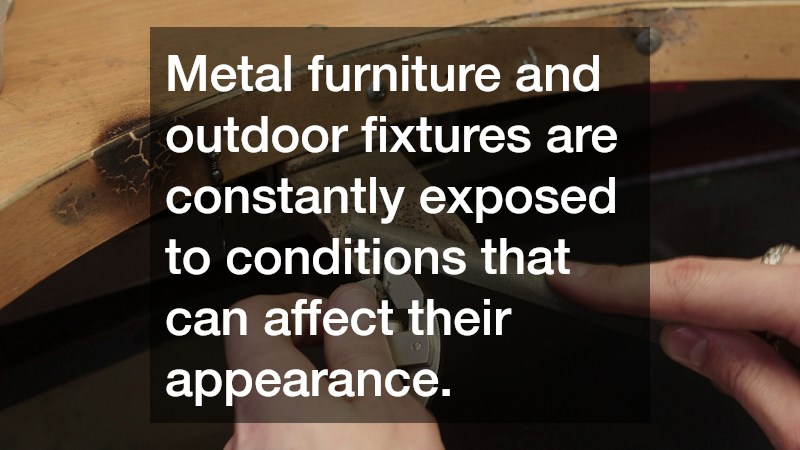
Metal furniture and outdoor fixtures are constantly exposed to conditions that can affect their appearance. Moisture, sunlight, temperature changes, and general wear can contribute to rust, peeling paint, corrosion, and other surface problems. Before an older metal item can be refinished, much of this deteriorated material typically needs to be removed.
Abrasive blasting can help strip away old coatings and surface corrosion from suitable metal pieces. Patio chairs, tables, benches, railings, gates, and decorative metal objects are examples of items that may benefit from this process. Blasting can reach curves, corners, decorative details, and other areas that may be difficult to clean effectively with ordinary sandpaper.
Once the unwanted material has been removed, the underlying surface can be inspected more easily. This gives the person completing the restoration an opportunity to identify damage that may require repairs before applying a new coating.
Surface preparation is particularly important when an object will be repainted. Paint applied over loose rust, dirt, or deteriorating coatings may not adhere properly. Creating a cleaner and more consistent surface can help prepare the object for primer, paint, powder coating, or another appropriate finish.
Prepare Automotive Parts for Refinishing
Automotive restoration often involves dealing with components covered by years of paint, grime, corrosion, or other materials. Removing those layers manually can require substantial time, particularly when working with parts containing grooves, curves, seams, and other complicated shapes.
A sandblaster may be used on appropriate automotive components to remove coatings and prepare surfaces for additional restoration work. Wheels, brackets, frames, suspension components, and certain other metal parts may be candidates for abrasive blasting when the correct methods are used.
Careful technique is especially important for automotive projects. Not every component should be treated with the same abrasive material or pressure. Thin metal can potentially warp or sustain surface damage when aggressive methods are used. Delicate components may require gentler blasting media or an entirely different cleaning technique.
Automotive projects also require careful preparation before blasting begins. Bearings, seals, electrical parts, openings, and sensitive components may need to be removed or protected from abrasive material. Thorough cleanup afterward is equally important because residual blasting media should not remain in mechanical components.
Clean and Refinish Tools and Equipment
Older tools and equipment can accumulate rust, paint, grease, oxidation, and other surface contaminants. Even when the underlying item remains usable, years of exposure and regular use can make it difficult to clean with basic methods.
Abrasive blasting can be incorporated into restoration projects involving suitable hand tools, workshop equipment, agricultural components, machinery parts, and similar metal objects. It can remove deteriorated surface material while reaching small recesses that may be inconvenient to address with wire brushes or conventional sanding equipment.
For example, someone restoring older workshop equipment may need to remove several layers of paint before refinishing it. Blasting can create a more uniform surface while reducing the amount of manual scraping required. Once the surface has been cleaned, the equipment can be inspected and prepared for any necessary repairs or protective coatings.
The material being cleaned should always influence the technique. Heavy steel components may tolerate methods that would be inappropriate for softer or thinner materials. Aluminum and other metals, for example, can require different blasting media and operating conditions.
Create Decorative and Customized Surfaces
Abrasive blasting is not limited to removing rust and old paint. It can also be used creatively to alter the appearance or texture of certain materials. Decorative projects can involve glass, stone, metal, and other compatible surfaces.
One common application is creating frosted designs on glass. By controlling which portions of the surface are exposed to abrasive media, patterns, lettering, logos, and decorative elements can be produced. Stencils or masking materials can protect areas that should remain unchanged while exposed areas develop a frosted appearance.
Similar techniques may be used for decorative signs, plaques, awards, markers, and customized objects. Depending on the material and process, blasting can produce designs with different depths and textures. This makes it possible to create visual contrast without relying exclusively on printed graphics or surface-applied decorations.
A sandblaster used for decorative work requires precision rather than simply maximum force. The blasting pressure, abrasive media, distance from the surface, and amount of time spent on each area can influence the final appearance. Testing the technique on a sample piece is often useful before working on the finished item.
Creative blasting projects also demonstrate why abrasive media selection matters. Different materials interact with surfaces in different ways. A medium suitable for removing a heavy coating from steel may be far too aggressive for decorative glasswork. Matching the process to the project helps reduce unnecessary surface damage and improves control over the finished result.
The effectiveness of the process depends on selecting appropriate equipment, blasting media, pressure, and safety procedures for the material involved. Some surfaces can tolerate aggressive treatment, while others require considerably more care. Understanding the characteristics of the object being treated is therefore an important part of planning any blasting project.
When used appropriately, abrasive blasting can reduce the amount of manual surface preparation required while reaching detailed or irregular areas that might otherwise be difficult to address. Whether the goal is to restore an aging metal object, prepare a component for a fresh coating, or create a decorative design, the technique offers a flexible approach to a broad range of workshop and restoration projects.
A sandblaster can be a valuable tool for completing a wide variety of projects involving cleaning, restoration, surface preparation, and customization. The process uses abrasive material propelled at high speed to remove unwanted coatings or alter the texture of a surface. Depending on the equipment, abrasive material, and surface being treated, this technique can be useful for projects ranging from restoring old metal objects to preparing large components for a new finish.
Restore Metal Furniture and Outdoor Items
Metal furniture and outdoor fixtures are constantly exposed to conditions that can affect their appearance. Moisture, sunlight, temperature changes, and general wear can contribute to rust, peeling paint, corrosion, and other surface problems. Before an older metal item can be refinished, much of this deteriorated material typically needs to be removed.
Abrasive blasting can help strip away old coatings and surface corrosion from suitable metal pieces. Patio chairs, tables, benches, railings, gates, and decorative metal objects are examples of items that may benefit from this process. Blasting can reach curves, corners, decorative details, and other areas that may be difficult to clean effectively with ordinary sandpaper.
Once the unwanted material has been removed, the underlying surface can be inspected more easily. This gives the person completing the restoration an opportunity to identify damage that may require repairs before applying a new coating.
Surface preparation is particularly important when an object will be repainted. Paint applied over loose rust, dirt, or deteriorating coatings may not adhere properly. Creating a cleaner and more consistent surface can help prepare the object for primer, paint, powder coating, or another appropriate finish.
Prepare Automotive Parts for Refinishing
Automotive restoration often involves dealing with components covered by years of paint, grime, corrosion, or other materials. Removing those layers manually can require substantial time, particularly when working with parts containing grooves, curves, seams, and other complicated shapes.
A sandblaster may be used on appropriate automotive components to remove coatings and prepare surfaces for additional restoration work. Wheels, brackets, frames, suspension components, and certain other metal parts may be candidates for abrasive blasting when the correct methods are used.
Careful technique is especially important for automotive projects. Not every component should be treated with the same abrasive material or pressure. Thin metal can potentially warp or sustain surface damage when aggressive methods are used. Delicate components may require gentler blasting media or an entirely different cleaning technique.
Automotive projects also require careful preparation before blasting begins. Bearings, seals, electrical parts, openings, and sensitive components may need to be removed or protected from abrasive material. Thorough cleanup afterward is equally important because residual blasting media should not remain in mechanical components.
Clean and Refinish Tools and Equipment
Older tools and equipment can accumulate rust, paint, grease, oxidation, and other surface contaminants. Even when the underlying item remains usable, years of exposure and regular use can make it difficult to clean with basic methods.
Abrasive blasting can be incorporated into restoration projects involving suitable hand tools, workshop equipment, agricultural components, machinery parts, and similar metal objects. It can remove deteriorated surface material while reaching small recesses that may be inconvenient to address with wire brushes or conventional sanding equipment.
For example, someone restoring older workshop equipment may need to remove several layers of paint before refinishing it. Blasting can create a more uniform surface while reducing the amount of manual scraping required. Once the surface has been cleaned, the equipment can be inspected and prepared for any necessary repairs or protective coatings.
The material being cleaned should always influence the technique. Heavy steel components may tolerate methods that would be inappropriate for softer or thinner materials. Aluminum and other metals, for example, can require different blasting media and operating conditions.
Create Decorative and Customized Surfaces
Abrasive blasting is not limited to removing rust and old paint. It can also be used creatively to alter the appearance or texture of certain materials. Decorative projects can involve glass, stone, metal, and other compatible surfaces.
One common application is creating frosted designs on glass. By controlling which portions of the surface are exposed to abrasive media, patterns, lettering, logos, and decorative elements can be produced. Stencils or masking materials can protect areas that should remain unchanged while exposed areas develop a frosted appearance.
Similar techniques may be used for decorative signs, plaques, awards, markers, and customized objects. Depending on the material and process, blasting can produce designs with different depths and textures. This makes it possible to create visual contrast without relying exclusively on printed graphics or surface-applied decorations.
A sandblaster used for decorative work requires precision rather than simply maximum force. The blasting pressure, abrasive media, distance from the surface, and amount of time spent on each area can influence the final appearance. Testing the technique on a sample piece is often useful before working on the finished item.
Creative blasting projects also demonstrate why abrasive media selection matters. Different materials interact with surfaces in different ways. A medium suitable for removing a heavy coating from steel may be far too aggressive for decorative glasswork. Matching the process to the project helps reduce unnecessary surface damage and improves control over the finished result.
The effectiveness of the process depends on selecting appropriate equipment, blasting media, pressure, and safety procedures for the material involved. Some surfaces can tolerate aggressive treatment, while others require considerably more care. Understanding the characteristics of the object being treated is therefore an important part of planning any blasting project.
When used appropriately, abrasive blasting can reduce the amount of manual surface preparation required while reaching detailed or irregular areas that might otherwise be difficult to address. Whether the goal is to restore an aging metal object, prepare a component for a fresh coating, or create a decorative design, the technique offers a flexible approach to a broad range of workshop and restoration projects.