


Key Takeaways
- Check for damage: Cracks, holes, and corrosion can indicate deteriorating gutters.
- Watch for sagging: Loose or uneven gutters may prevent proper water drainage.
- Look for overflow: Persistent overflowing may signal blockages, poor alignment, or inadequate capacity.
- Monitor foundation drainage: Water pooling near your home may indicate drainage problems.
- Evaluate repair frequency: Recurring leaks and frequent repairs may make replacement more practical.
- Compare your options: Assess the gutter system’s overall condition to determine whether repairs or replacement offer better long-term value.
Gutters may not be the most noticeable feature of your home, but they play an important role in protecting it from water damage. By collecting rainwater from the roof and directing it away from the property, gutters help protect siding, fascia boards, landscaping, and the foundation.
However, gutters do not last forever. Age, severe weather, debris buildup, improper installation, and regular wear can affect their performance over time. When a gutter system stops working properly, water may collect in unwanted areas and contribute to costly exterior repairs.
Recognising the signs that your gutters need replacing can help you address problems before they become more serious. If you notice recurring leaks, sagging sections, rust, or drainage issues, it may be time to contact a professional gutter company to assess your system.
1. Your Gutters Are Cracked or Damaged
Cracks and splits can prevent gutters from carrying rainwater efficiently toward the downspouts. Even small openings may allow water to escape, potentially damaging siding, fascia boards, landscaping, and areas around the foundation.
Inspect visible gutter sections for cracks, holes, separated seams, and other signs of deterioration. Pay particular attention to corners and joints, where leaks may develop over time.
Not every crack requires a complete replacement. A small, isolated problem may be repairable, depending on the gutter material and its overall condition.
However, if cracks appear throughout the system or multiple sections are splitting apart, replacing the gutters may be a more practical long-term solution. Repairing one damaged area at a time can become increasingly expensive when the surrounding material is also deteriorating.
2. The Gutters Are Sagging or Pulling Away
Gutters should remain securely attached to the roofline and maintain the correct slope to direct water toward the downspouts. Sagging sections, uneven edges, and gutters pulling away from the house can indicate a problem with the mounting hardware or the gutter system itself.
Several factors can cause these issues, including accumulated debris, standing water, loose fasteners, damaged fascia boards, and deterioration caused by age.
Start by determining whether the problem is limited to a few loose brackets or affects the entire gutter section. If the mounting hardware is damaged but the gutters remain in good condition, repairs may be sufficient.
If the gutters are bent, warped, or repeatedly pulling away despite repairs, replacement may be necessary. The condition of the fascia should also be evaluated because damaged supporting boards can prevent new gutters from being secured properly.
Addressing sagging gutters promptly can help prevent further damage and restore the system’s ability to manage rainwater.
3. Water Overflows During Rain
Watching your gutters during rainfall can reveal problems that are not obvious in dry weather. A properly functioning system should collect roof runoff and carry it through the downspouts without persistent overflowing.
Water spilling over the sides does not automatically mean you need new gutters. Leaves, twigs, and other debris can block the flow of water, while clogged downspouts can prevent proper drainage.
If cleaning does not resolve the problem, other factors may be responsible. The gutters could have an incorrect slope, insufficient capacity, damaged sections, or an inadequate number of downspouts.
Pay attention to where the overflow occurs. Water spilling from one location may indicate a local blockage, while overflow along several sections could suggest a broader drainage problem.
A professional inspection can help determine whether cleaning, adjustments, repairs, or replacement is the most appropriate solution.
4. You See Rust or Corrosion
Metal gutters can develop rust or corrosion as protective coatings deteriorate and the material is exposed to moisture. Although minor surface corrosion does not always require replacement, extensive deterioration can weaken the system and lead to holes or leaks.
Inspect visible sections, seams, corners, and areas around fasteners for rust, flaking coatings, or discolouration. Check whether the corrosion is limited to one small area or has spread across multiple sections.
If the damage is isolated, a suitable repair may extend the gutter’s useful life. However, widespread corrosion often indicates that the system is approaching the end of its service life.
The material also matters. Different gutter materials have different maintenance requirements and expected lifespans, so age alone should not determine whether replacement is necessary.
When rust or corrosion keeps returning despite repairs, ask a professional to assess the overall condition and compare the cost of continued maintenance with installing new gutters.
5. Water Collects Around Your Foundation
One of the most important functions of gutters is to move roof runoff away from the foundation. When water repeatedly collects near the base of your home after rain, the gutter or drainage system may not be directing water away effectively.
Possible causes include clogged downspouts, leaking gutter joints, damaged extensions, poor ground grading, or an inadequate drainage arrangement.
Look for persistent puddles, unusually wet soil, and erosion beneath the roofline. Check whether downspouts discharge water close to the foundation rather than directing it toward an appropriate drainage area.
Water around the foundation should not automatically be attributed to failing gutters. Ground slope, drainage systems, and other site conditions can also contribute to the problem.
If pooling continues after cleaning the gutters and checking the downspouts, consider having the entire drainage arrangement inspected. A professional can identify whether gutter replacement, downspout improvements, or another drainage correction is needed.
Addressing the cause early can help reduce the risk of moisture-related problems and protect the surrounding landscape.
6. You Notice Water Stains on Exterior Surfaces
Water stains beneath the gutters or along exterior walls may indicate that rainwater is escaping from the system. You might notice discolouration on siding, fascia boards, soffits, brickwork, or other exterior materials.
These marks can develop when gutters leak, overflow, become misaligned, or pull away from the roofline. Persistent moisture may contribute to deterioration, peeling paint, or damage to surrounding building materials.
Inspect the areas beneath the gutters after rainfall, looking for unusual water streaks and damp patches. Also check whether water is running behind the gutter rather than entering it properly.
Stains do not always mean the gutters need replacing. A blocked section, loose connection, or damaged flashing may be responsible.
However, widespread staining combined with recurring leaks or deteriorated gutter sections may indicate a larger problem. Have the source identified before deciding on repairs or replacement.
Correcting the drainage issue can help protect the exterior of your home and prevent further deterioration.
7. Your Gutters Require Frequent Repairs
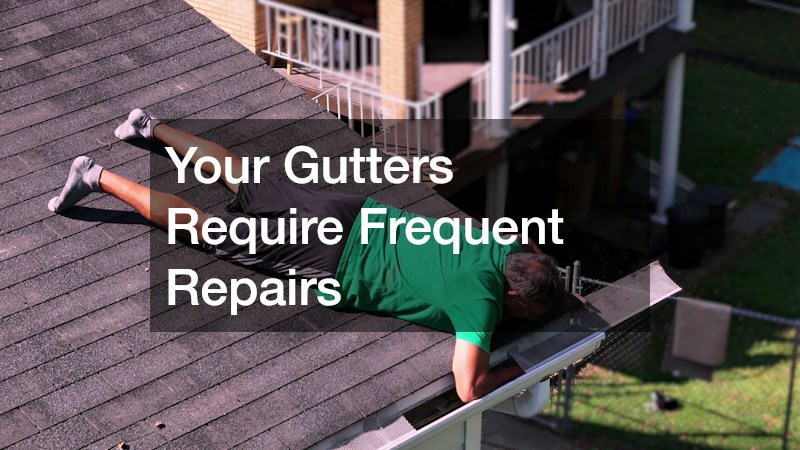
Routine maintenance is a normal part of owning a home, but repeated repairs may indicate that your gutter system is deteriorating.
If you frequently need to reseal joints, replace fasteners, repair holes, or reposition sagging sections, consider whether the system is still worth maintaining.
Repeated failures may mean that the underlying material has weakened or that several parts of the installation are no longer functioning properly. Fixing one leak may provide temporary relief without addressing problems elsewhere.
Before deciding, compare the likely cost of further repairs with the cost of replacing the affected sections or installing a new system. Consider the age of the gutters, the number of damaged areas, and whether the same problems keep returning.
A replacement may offer better long-term value when the existing system has widespread damage. It also provides an opportunity to correct installation or drainage problems that contributed to the original failures.
The best decision depends on the condition of the gutters rather than the number of years they have been installed.
8. Your Gutters Are Getting Older
Gutters gradually deteriorate through exposure to rain, sunlight, temperature changes, debris, and severe weather. Their lifespan varies according to the material, installation quality, maintenance, and local climate.
If you do not know how old your gutters are, look for visible signs of wear instead of relying on age alone. Cracks, corrosion, loose sections, recurring leaks, and poor drainage can indicate that the system needs attention.
Older gutters in good condition may continue to work effectively with appropriate maintenance. On the other hand, a relatively newer system may require replacement if it was installed incorrectly or sustained significant storm damage.
A professional inspection can help you understand the current condition of your gutters and estimate whether repairs are likely to remain practical.
Replacing gutters before they fail extensively may help you plan the expense instead of responding to repeated leaks or water damage.
Should You Repair or Replace Your Gutters?
Not every gutter problem requires a complete replacement. The right choice depends on the extent of the damage, the age and material of the system, and the cost of restoring proper drainage.
Repairs may be sufficient when:
- A small section has an isolated crack or leak.
- A few fasteners or brackets have become loose.
- Debris is blocking the gutters or downspouts.
- A minor alignment issue can be corrected.
- Most of the system remains structurally sound.
Replacement may be more practical when:
- Several sections have cracks, holes, or corrosion.
- Gutters repeatedly sag or pull away from the roofline.
- Leaks continue despite previous repairs.
- The system is significantly deteriorated.
- Existing gutters cannot manage the roof runoff effectively.
A qualified professional can inspect the gutters, downspouts, joints, mounting hardware, and surrounding drainage areas. Ask for a clear explanation of the problem and an estimate that separates necessary repairs from recommended upgrades.
Comparing the available options can help you choose a solution that protects your home without replacing components that are still in good condition.
Protect Your Home With Properly Working Gutters
Gutters are an important part of your home’s exterior drainage system. When they leak, overflow, sag, or become badly corroded, rainwater may damage surrounding surfaces and collect near the foundation.
Regular cleaning and inspections can help you identify problems early. If damage is isolated, repairs may be enough. If the system has widespread deterioration or repeatedly fails, replacing the gutters may provide a more reliable long-term solution.
Working with an experienced gutter company can help you determine the source of the problem and select an appropriate option for your property. By maintaining effective drainage and addressing gutter issues promptly, you can help protect your home from avoidable water damage.