
Key Takeaways
- Identify ant trails and entry points: Observe where ants travel to locate potential access points and identify the food or water sources attracting them.
- Remove food and moisture sources: Clean spills, store food in sealed containers, manage pet food, and repair plumbing leaks.
- Clean trails and seal entry points: Remove food residue and scent trails, and seal suitable gaps around doors, windows, and utility lines.
- Use treatments carefully: Choose appropriate products based on the ant species and follow all label instructions and safety precautions.
- Maintain the exterior: Trim vegetation, address drainage problems, and reduce sheltered areas near the home’s foundation.
- Know when to seek professional help: Persistent infestations, inaccessible nests, or suspected structural damage may require professional pest control assistance.
Ants entering your home can quickly become a nuisance, especially when they gather around kitchen counters, food storage areas, windows, and doorways. Although seeing a few ants may not seem like a serious problem, repeated sightings often indicate that a colony has found a reliable source of food, water, or shelter nearby.
Learning how to get rid of ants in your home starts with identifying where they are coming from and understanding what attracts them indoors. Simply killing the ants you can see may provide temporary relief, but long-term control requires removing attractants, cleaning their trails, sealing entry points, and addressing the source of the infestation.
Whether you are dealing with a few ants in the kitchen or recurring trails throughout your home, the following steps can help you manage the problem and reduce the likelihood of another invasion.
1. Identify Where the Ants Are Coming From
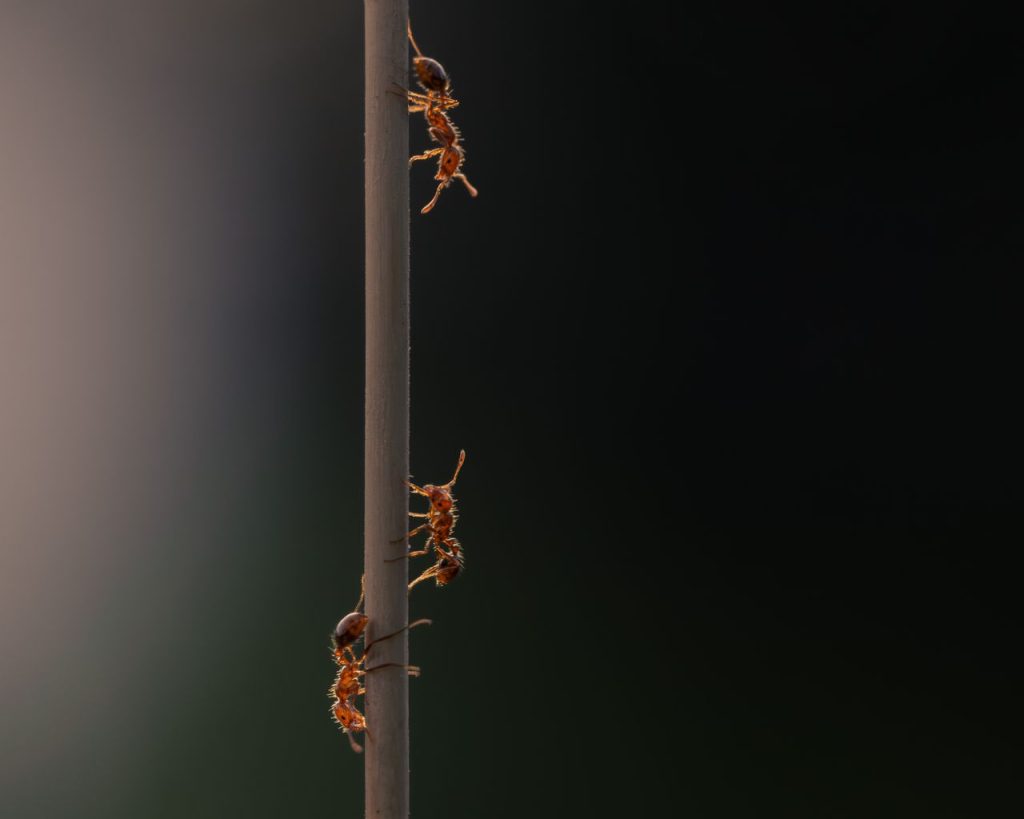
Before choosing a treatment, observe where the ants appear and how they move. Ants commonly travel along walls, countertops, baseboards, window frames, and plumbing lines. Following a trail can help you locate an entry point or discover the food source attracting them.
Pay attention to areas where ants appear repeatedly, including:
- Kitchen counters and cupboards
- Pantry shelves and food storage containers
- Areas around sinks and dishwashers
- Bathroom plumbing and damp corners
- Windows, doors, and foundation gaps
- Outdoor areas near rubbish bins or vegetation
Different ant species may be attracted to different conditions. Some primarily seek sugary foods, while others may be drawn to grease, proteins, or moisture. Correctly identifying the problem can help you select an appropriate treatment.
Avoid disturbing the entire trail immediately. Observing the ants briefly may help reveal their route and the point where they enter your home.
2. Remove Food Sources That Attract Ants
Food is one of the main reasons ants enter residential properties. Even small crumbs, sticky spills, or uncovered food can attract foraging ants, which may then lead others to the same location.
Start by cleaning kitchen counters, dining tables, shelves, and floors. Pay particular attention to areas beneath appliances, around rubbish bins, and along cupboard edges where food particles can accumulate.
Store food in tightly sealed containers rather than leaving open packets on counters or pantry shelves. Clean up spills promptly, especially sugary drinks, syrup, honey, and fruit juices. Wash used dishes instead of leaving them in the sink overnight.
Pet food can also attract ants. Avoid leaving food bowls filled for extended periods, and clean the surrounding floor regularly.
Keep rubbish bins covered and empty them frequently. If food residue collects around the lid or inside the bin, wash it thoroughly.
These simple habits make your home less attractive to ants. However, if ants continue to appear after food sources have been removed, investigate moisture problems and possible entry points as well.
3. Eliminate Moisture and Water Sources
Some ants are attracted to moisture and may establish trails around sinks, bathrooms, laundry areas, and plumbing fixtures. Leaking pipes, dripping taps, condensation, and damp building materials can create conditions that encourage ant activity.
Inspect the areas beneath kitchen and bathroom sinks for leaks. Check the connections around dishwashers, washing machines, and other water-using appliances. Repair dripping taps and address plumbing problems promptly.
Dry wet countertops and sinks when practical, particularly overnight. Improve ventilation in bathrooms and laundry areas to reduce persistent dampness.
Outside, check whether rainwater collects near the foundation or whether downspouts direct water toward the house. Correcting drainage problems can help reduce moisture around potential entry points.
If you notice recurring dampness, water damage, or unexplained moisture, investigate the underlying cause rather than relying only on pest treatments. Persistent moisture can attract pests and may contribute to other household maintenance problems.
4. Clean Ant Trails and Seal Entry Points
Ants often follow chemical trails left by other ants. These trails help them travel between food sources and their colony. Removing the trail can make it harder for additional ants to follow the same route.
Clean affected surfaces with an appropriate household cleaner, following the product instructions. Remove crumbs, sticky residue, and other food traces along the route. Use a suitable cleaning method for each surface to avoid damage.
Next, inspect the areas where ants may be entering. Small gaps around window frames, doorways, utility pipes, cables, and foundation joints can provide access to the interior.
Seal suitable gaps with the appropriate caulk or weather-resistant sealant. Install or repair door sweeps and weatherstripping where necessary. Check window screens for tears and ensure that doors close properly.
Do not seal gaps blindly if you suspect an active nest inside a wall or structural void. In such cases, professional assessment may help prevent the problem from being concealed rather than resolved.
Combining cleaning with exclusion measures helps reduce the chance that ants will continue using the same route.
5. Choose an Appropriate Ant Treatment
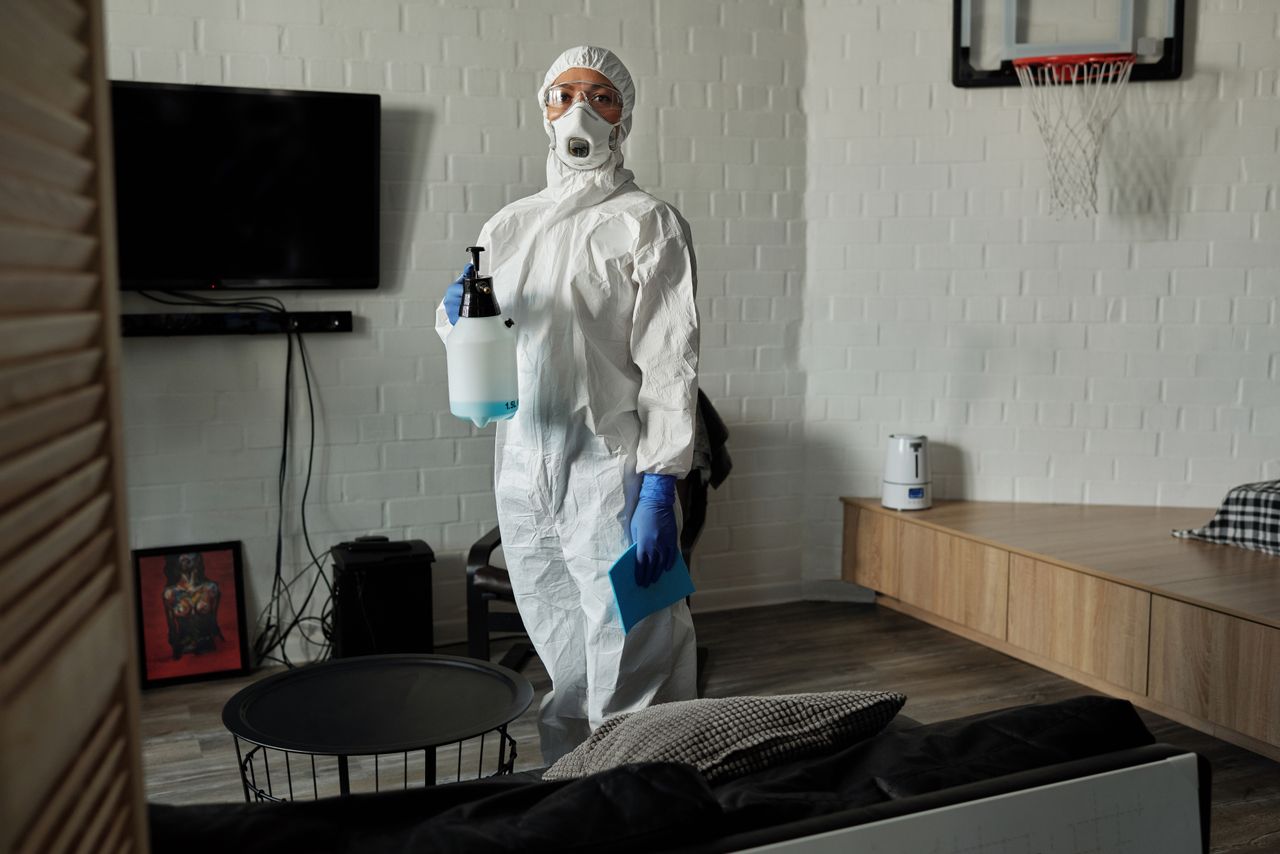
If cleaning and sealing entry points do not resolve the problem, you may need an additional treatment. The right option depends on the ant species, the location of the activity, and whether the colony is established indoors or outdoors.
Ant baits are commonly used because worker ants can carry the bait back to the colony. Depending on the product and species, this may help control ants that are not directly visible. Baits generally require time to work, so follow the label directions and avoid placing them where children or pets can reach them.
Some sprays kill ants on contact but may not eliminate the colony. Using sprays around bait stations can also interfere with bait effectiveness, depending on the product. Read the instructions carefully before combining treatments.
Avoid applying pesticides to food preparation surfaces unless the label specifically permits that use. Never mix pest-control chemicals or use a product contrary to its instructions.
Household remedies may provide limited results, but their effectiveness varies. If an approach does not address the colony or the conditions attracting ants, the problem may return.
When choosing a treatment, consider both effectiveness and safety. If you cannot identify the ants or determine where they are nesting, seek advice from a qualified pest-control professional.
6. Check the Exterior of Your Home
Ants may nest in soil, under paving, around foundations, beneath outdoor containers, or inside decaying wood. An exterior inspection can help you identify conditions that support ant activity near the building.
Look for ant trails along foundation walls, around utility entry points, beneath outdoor steps, and near rubbish storage areas. Remove food waste and keep bins clean and covered.
Trim plants that touch exterior walls, windows, or rooflines when they provide a convenient route into the building. Remove dead leaves and unnecessary debris close to the foundation.
Check for decaying timber, damaged exterior trim, and areas where water accumulates. Repairing these issues can reduce shelter and moisture around the property.
Avoid disturbing an unidentified nest without understanding the risks. Some species may bite or sting when threatened, and certain infestations require specialised treatment.
The objective is to reduce the conditions that encourage ants to remain close to the house while making it harder for them to enter.
7. Know When to Contact a Pest-Control Professional
Occasional ants may be manageable through routine cleaning and preventive measures. However, recurring or widespread activity can indicate a larger problem that requires professional attention.
Consider contacting a pest-control professional if:
- Ants continue appearing despite repeated cleaning and treatment.
- Trails emerge from walls, ceilings, or inaccessible spaces.
- You suspect a nest inside the building.
- The ants may be a species that can damage wood or pose a particular risk.
- You cannot identify the source of the infestation.
- DIY treatments have not produced lasting results.
A professional can help identify the species, locate likely nesting areas, and recommend a treatment appropriate for the infestation. They can also explain any preparation requirements and precautions for children, pets, and other household occupants.
For homeowners preparing a property for sale, resolving a persistent pest issue can also support the overall presentation and maintenance of the home. A clean, well-maintained property is easier to inspect and can provide prospective buyers with greater confidence.
For additional information about professional ant control, homeowners can review the available service information and determine whether specialist assistance is appropriate for their situation.
8. Prevent Ants From Returning
After controlling an infestation, consistent maintenance is important for preventing another invasion. Ants may return if food, moisture, and accessible entry points remain available.
Develop a simple routine that includes wiping kitchen surfaces, sweeping floors, cleaning food storage areas, and emptying rubbish bins regularly. Keep pantry items sealed and remove spills as soon as they occur.
Inspect plumbing fixtures periodically for leaks and address damp areas promptly. Check door seals, window frames, and exterior joints for gaps that may need repair.
During warmer months or periods of increased ant activity, monitor areas where ants have previously appeared. Early attention can help you identify a new trail before it develops into a more persistent problem.
Avoid leaving food scraps or pet food outdoors near doors and windows. Keep outdoor rubbish storage clean and maintain the area around the foundation.
If ants reappear, investigate what has changed rather than automatically repeating the same treatment. A new food source, moisture issue, or entry point may be responsible.
Prevention works best when cleaning, moisture management, exclusion, and appropriate treatment are combined.
Key Takeaways
- Identify the source: Follow ant trails to locate entry points and food sources.
- Remove attractants: Clean crumbs, seal food containers, and manage rubbish.
- Control moisture: Repair leaks and address damp areas around the home.
- Seal entry points: Close suitable gaps around windows, doors, pipes, and foundations.
- Use treatments safely: Choose appropriate products and follow their label instructions.
- Seek professional help when needed: Persistent or unexplained infestations may require specialist assessment.
Conclusion
Ants entering your home can be frustrating, but lasting control usually requires more than eliminating the ants you can see. Identifying their routes, removing food and moisture sources, cleaning trails, and sealing entry points can help address the conditions that attract them.
When these steps are not enough, an appropriate treatment or professional assessment may be necessary. Regular cleaning and home maintenance can also reduce the likelihood of recurring activity.
By combining practical prevention with targeted control, homeowners can make their properties less attractive to ants and maintain a cleaner, more comfortable living environment.