
-
Selling independently saves money: Avoid realtor commission fees by managing the sale yourself, which can result in significant financial savings.
-
Pricing is critical: Research comparable homes, monitor market trends, and consider professional appraisals to set a competitive and realistic asking price.
-
Repairs and updates matter: Addressing maintenance issues and enhancing key areas of your home can increase appeal and reduce buyer objections.
-
Presentation influences perception: Staging, decluttering, and adding thoughtful touches help buyers visualize living in your home and can lead to stronger offers.
-
Marketing reaches buyers effectively: Utilize online listings, social media, virtual tours, open houses, and signage to attract qualified prospects.
-
Negotiation and legal management are essential: Carefully evaluate offers, communicate professionally, and ensure all documents and contracts are accurate and legally compliant.
-
Organization ensures a smooth process: Keeping track of showings, documents, and timelines reduces stress and helps the sale progress efficiently from listing to closing.
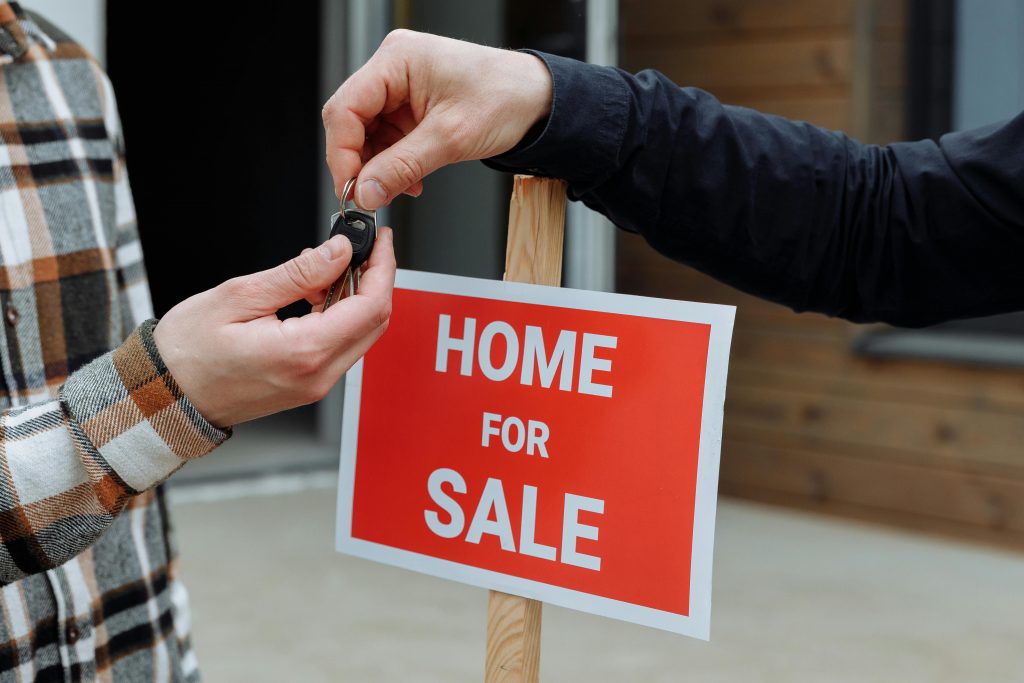
Selling a house without a realtor may feel intimidating at first, but it’s entirely doable. Many homeowners successfully navigate the process themselves, saving thousands in commission fees while maintaining full control over the sale. This step-by-step guide will walk you through everything from preparing your home to closing the deal.
Why Consider Selling Without a Realtor?
Hiring a realtor can simplify the process, but it also comes with fees that often eat into your profits. Selling independently allows you to:
-
Save on commission fees, typically 5–6% of the home’s selling price.
-
Control the entire process, from pricing to negotiating offers.
-
Implement your own marketing strategies and timelines.
However, selling on your own also means taking on responsibilities normally handled by a professional. You’ll need to market your home, negotiate offers, and ensure all legal paperwork is accurate.
How Do You Set the Right Price for Your Home?
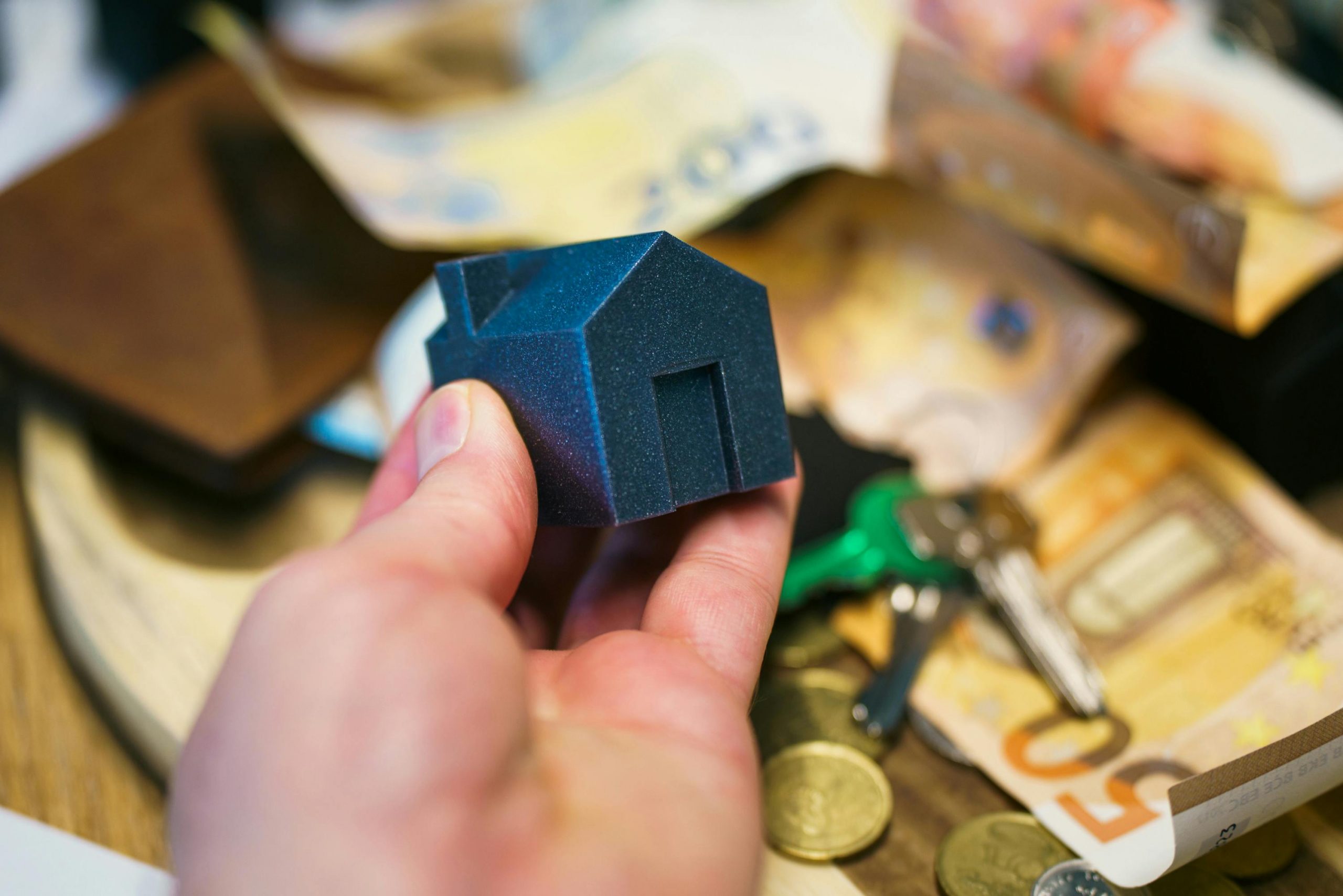
Pricing your home correctly is one of the most important steps in selling without a realtor. Set it too high, and your listing may be ignored; set it too low, and you could lose out on potential profit. Here’s how to approach pricing strategically:
-
Research comparable homes: Look at recently sold properties in your neighborhood that are similar in size, condition, and features. Pay attention to how long they were on the market and the final sale price. This gives you a realistic benchmark for your own home.
-
Consider market trends: Real estate markets fluctuate. In a seller’s market, homes tend to sell quickly, and you might be able to price slightly higher. In a buyer’s market, more conservative pricing may attract interest faster. Monitor trends in your area and adjust your strategy accordingly.
-
Get a professional appraisal: Even if you’re skipping a realtor, hiring a licensed appraiser can provide an objective valuation. An appraisal is especially useful if you plan to negotiate with buyers who request verification of value.
-
Factor in repairs and improvements: Homes that are in good condition or have attractive upgrades can justify a higher asking price. For example, modern kitchen finishes, updated bathrooms, or energy-efficient windows can make your home more appealing. Additionally, addressing any urgent home repairs before listing ensures buyers focus on the home’s strengths rather than its flaws.
-
Be flexible with pricing strategy: Consider listing slightly below market value to attract more interest or using pricing tiers (e.g., offering incentives for quick closing) to appeal to buyers. Keeping an eye on feedback from showings and adjusting if necessary can prevent your home from lingering on the market.
What Repairs Should You Focus On?
Buyers are quick to notice damage or deferred maintenance. Focusing on key areas can make your home more appealing and avoid last-minute negotiation haggling. Consider critical pre-sale home repairs such as fixing leaks, repairing damaged flooring, updating old fixtures, and ensuring systems like HVAC and plumbing are working properly.
Mastering these repairs doesn’t have to be complicated if you have the right approach. Homeowners who master repair skills often save money and improve the property’s appeal by addressing issues themselves rather than hiring multiple contractors.
Should You Update Your Home Before Selling?
Modern buyers often expect certain standards. Simple upgrades can dramatically increase perceived value:
-
Kitchen and bathroom updates: These are among the most scrutinized areas in a home. Consider replacing worn cabinet doors, updating drawer and cabinet hardware, installing modern lighting fixtures, or refreshing countertops. Even small touches like a new faucet or backsplash can make these spaces feel more contemporary and inviting.
-
Energy-efficient upgrades: Eco-conscious buyers increasingly look for homes with reduced utility costs and sustainable features. Adding new windows, improving insulation, or installing a smart thermostat can make your property more appealing while signaling that it has been well cared for. These upgrades not only add value but also can be a strong selling point in your marketing materials.
-
Aesthetic improvements: Visual appeal matters. Repainting rooms in neutral, versatile tones helps buyers envision themselves in the space, while replacing worn or outdated flooring can instantly modernize a home’s appearance. Attention to small details—like repairing scuffed baseboards or refinishing doors—can elevate the overall impression.
Even minor improvements, combined with thoughtful preparation, can help your property stand out in a competitive market. Incorporating pre-sale modern home improvements ensures your home meets buyer expectations and may shorten the time it spends on the market.
How Can You Stage Your Home Effectively?
Staging is more than just tidying up; it’s about helping potential buyers envision themselves living in your space. Effective staging techniques can make a significant difference when selling without a realtor. Consider these tips:
-
Declutter every room: Remove personal items, excess furniture, and anything that distracts from the home’s features. A clean, uncluttered space helps buyers focus on the home itself rather than your belongings.
-
Highlight focal points: Arrange furniture to emphasize spaciousness, natural light, and architectural features. Proper furniture placement can make rooms appear larger and showcase the home’s best qualities.
-
Add inviting touches: Fresh flowers, clean rugs, and minimal decorative items can make your home feel welcoming. Small, thoughtful details create a positive first impression and make spaces feel more attractive.
-
Ensure consistency: Keep a cohesive style throughout the home to create a polished impression. Using a consistent color palette, décor style, and staging approach makes the home feel harmonious and professionally prepared.
Even simple staging efforts can increase perceived value and lead to higher offers.
How Do You Market Your Home Without a Realtor?
Marketing is key when you’re selling independently. The goal is to reach as many qualified buyers as possible. Here’s how:
-
List online: Use websites like Zillow, Redfin, or FSBO.com. High-quality photos and detailed descriptions are essential to attract attention and showcase your home’s best features.
-
Use social media: Share your listing on Facebook, Instagram, and local community groups. Social platforms help expand your reach and allow you to target specific audiences, including friends, family, and local buyers.
-
Create a virtual tour: Videos or 3D tours can engage buyers who may not attend in-person showings. This allows prospective buyers to explore your home remotely and increases the likelihood of serious inquiries.
-
Host open houses: Schedule weekends for potential buyers to walk through your home. Ensure the property is clean, staged, and well-lit to leave a lasting impression.
-
Use signage: A “For Sale by Owner” sign with contact information can attract local interest and provide an easy way for passersby to inquire about your home.
How Should You Handle Showings and Open Houses?
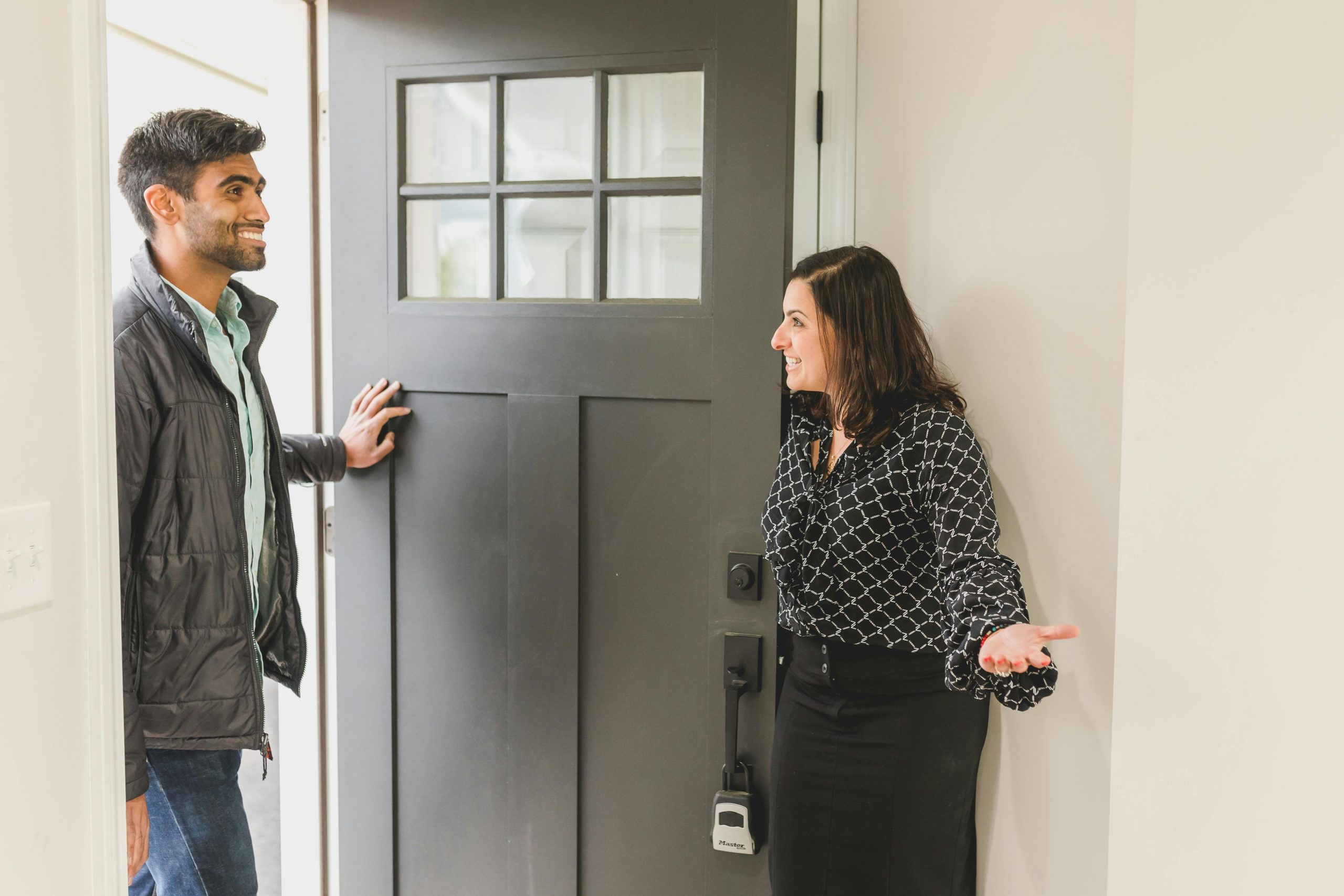
Showing your home is an opportunity to leave a great impression. Here’s how to handle it effectively:
-
Be flexible: Accommodate buyer schedules as much as possible. Flexibility increases the chances of more people seeing your home and receiving offers.
-
Keep it clean and tidy: Every surface should be spotless, and personal items should be stored away. Cleanliness signals that the home is well-maintained and move-in ready.
-
Depersonalize your space: Buyers want to picture themselves living in your home. Remove family photos and unique décor to help them envision the space as their own.
-
Provide information: Have brochures or a summary sheet with key features, recent upgrades, and utility costs. Giving buyers detailed information helps them make informed decisions and demonstrates transparency.
Remember, first impressions matter, so make every showing count.
How Do You Negotiate Offers Without a Realtor?
Negotiating is one of the most challenging aspects of selling on your own. Here’s how to approach it:
-
Know your bottom line: Decide on your minimum acceptable price and terms before reviewing offers. Being clear on your limits helps you negotiate confidently without making impulsive decisions.
-
Evaluate offers carefully: Consider not just the price but also contingencies, closing timelines, and buyer qualifications. A strong offer may include a slightly lower price but more favorable terms.
-
Be professional and courteous: Keep communication clear and respectful. Positive interactions can encourage buyers to be more flexible and cooperative.
-
Counteroffers: Don’t hesitate to make a counteroffer that meets your priorities, but be reasonable. Strategic counteroffers can help bridge the gap between your expectations and the buyer’s offer.
-
Consult a real estate attorney: An attorney can review contracts and ensure legal compliance. Professional guidance minimizes risk and protects your interests during negotiations.
What Legal Documents Will You Need?
When selling without a realtor, having the correct legal documents is essential for a smooth transaction. Here’s what you’ll likely need:
-
Property deed: Confirms your ownership and is required for transferring the property to the buyer.
-
Seller disclosure forms: Required in many states to disclose property defects or hazards. Full transparency can prevent legal issues later.
-
Purchase agreement: Outlines terms, price, contingencies, and closing date. This document formalizes the sale between you and the buyer.
-
Lead paint disclosures: For homes built before 1978 in the U.S., federal law requires disclosure of potential lead hazards.
-
Closing statement: Summarizes financial transactions, including payments, taxes, and fees, during the sale process.
Hiring a real estate attorney or title company is strongly recommended to ensure all documents are completed accurately and legally binding.
How Do You Close the Sale?
Closing a sale without a realtor follows the same general steps as a traditional sale, but as the seller, you’ll be responsible for managing the process. Here’s a detailed breakdown:
-
Hire a title company or attorney: They handle escrow, title searches, and document preparation. Using professionals ensures that all legal and financial aspects of the sale are handled correctly, protecting both you and the buyer from future disputes.
-
Schedule inspections and appraisals: Buyers often require home inspections and appraisals before finalizing the purchase. Coordinating these appointments and providing access to the property ensures the process moves smoothly and avoids unnecessary delays.
-
Confirm financing: Ensure the buyer’s mortgage or other payment method is approved. Verifying financing early reduces the risk of last-minute issues that could derail the sale.
-
Sign and submit documents: Complete the deed transfer, final disclosures, and payment of fees. Properly executing and submitting all paperwork is essential for legal compliance and ensures the transaction is officially recorded.
-
Hand over keys: Once everything is recorded and funds have cleared, the home officially belongs to the buyer. Coordinating the key handover and providing any necessary instructions (e.g., alarm codes, appliance manuals) ensures a smooth transition.
By staying organized and carefully managing each step, you can close the sale successfully without the help of a realtor, while maintaining control over timing, costs, and communication with the buyer.
Tips for Staying Organized Throughout the Process
Selling independently involves juggling many tasks. These tips can help:
-
Create a timeline with deadlines for each step.
-
Keep a dedicated folder (digital or physical) for all documents.
-
Track inquiries, showings, and offers systematically.
-
Communicate promptly with potential buyers and service providers.
Staying organized reduces stress and helps you avoid costly mistakes.
Should You Consider Partial Help?
Even if you don’t hire a full-service realtor, partial help can be valuable:
-
Flat-fee MLS listing services: Get your home on the Multiple Listing Service for a one-time fee.
-
Consultation with a realtor: Pay for advice on pricing or marketing strategies without committing to full commission.
-
Professional photography or staging: A small investment can significantly improve your listing’s appeal.
These options give you flexibility while keeping costs lower than full realtor commissions.
Final Thoughts
Selling a house without a realtor is entirely possible, but it requires preparation, organization, and attention to detail. By pricing your home correctly, handling repairs and improvements, staging effectively, marketing wisely, and managing negotiations and legal documents, you can successfully sell your home on your own terms.