

Home improvement projects are exciting opportunities to upgrade your living space, improve functionality, and increase property value. Whether you’re preparing to move, adding privacy fencing, refreshing landscaping, or planning something as significant as a roofing replacement, every project starts with good intentions. Unfortunately, many homeowners run into avoidable problems that lead to delays, rising costs, and disappointing results. In most cases, the issue isn’t bad luck or poor timing—it’s common planning and execution mistakes that could have been prevented with the right approach.
Unlike cosmetic updates, many home improvement projects involve structural components, permits, coordination with multiple trades, and long-term performance considerations. A rushed decision or overlooked detail can turn a straightforward upgrade into a costly repair down the road. For example, failing to plan properly before moving walls or ignoring permit requirements for a building permit survey can lead to legal headaches. Choosing materials based solely on price can compromise durability, especially with roofing or asphalt shingle roofing systems that protect your home from the elements.
Another challenge homeowners face is balancing enthusiasm with realism. DIY culture has made home projects seem more accessible than ever, but not every task should be tackled without professional support. Hiring the wrong contractor, skipping energy efficiency upgrades, or misjudging your skill level can all have lasting consequences. Even something that seems minor, like poor communication with contractors or rushing the timeline to avoid renting dumpster rentals longer than planned, can create unnecessary stress.
This article breaks down ten of the most common mistakes homeowners make during home improvement projects. More importantly, it explains why these mistakes happen and how to avoid them. Whether you’re working with roofers, a local pool contractor, or planning upgrades like custom window blinds, understanding these pitfalls can help your project stay on track from start to finish.
1. Skipping the Planning and Design Phase

One of the most common mistakes homeowners make is jumping straight into construction without investing enough time in planning and design. When homeowners are eager to see progress—especially before moving into a new space—it’s tempting to start demolition or ordering materials right away. However, skipping this phase often leads to layout issues, unexpected costs, and design regrets.
Planning is more than choosing colors or finishes. It involves understanding how each change affects the rest of the home. Removing a wall may impact electrical systems, HVAC flow, or load-bearing structures. Without proper design plans, contractors are left guessing, which increases the risk of mistakes. A lack of clear direction can also lead to mid-project changes, one of the biggest drivers of cost overruns.
A solid plan should outline scope, materials, timelines, and contingencies. It should also factor in how the space will be used long term. For example, homeowners preparing for a move may prioritize storage and traffic flow differently than those planning to stay for years. Investing time upfront saves far more time and money later.
Careful planning also helps prevent costly surprises by anticipating potential challenges before construction begins. For instance, homeowners may overlook how new electrical outlets, plumbing lines, or HVAC ducts will integrate with a redesigned space. Early collaboration with contractors, architects, or designers can identify these conflicts in advance, allowing for adjustments in the plan rather than expensive fixes later. Taking the time to visualize the finished project—through sketches, 3D models, or walkthroughs—provides clarity and confidence, making it easier to stick to the budget and timeline.
2. Underestimating the Total Project Budget
Many homeowners create a budget that only accounts for the obvious expenses, such as materials and labor. What’s often overlooked are the hidden costs that appear once work begins. This is especially common with projects like installing privacy fencing, where homeowners may not account for grading issues, soil conditions, or local code requirements.
Unexpected repairs, permit fees, temporary accommodations, and disposal costs can add up quickly. Without a financial buffer, homeowners may be forced to cut corners mid-project or pause work entirely. That can compromise quality and lead to unfinished spaces.
A realistic budget includes a contingency fund, typically 10 to 20 percent of the total cost. It also factors in long-term value rather than just upfront price. Spending slightly more now for proper installation and durable materials often prevents expensive repairs later.
3. Choosing Contractors Based on Price Alone
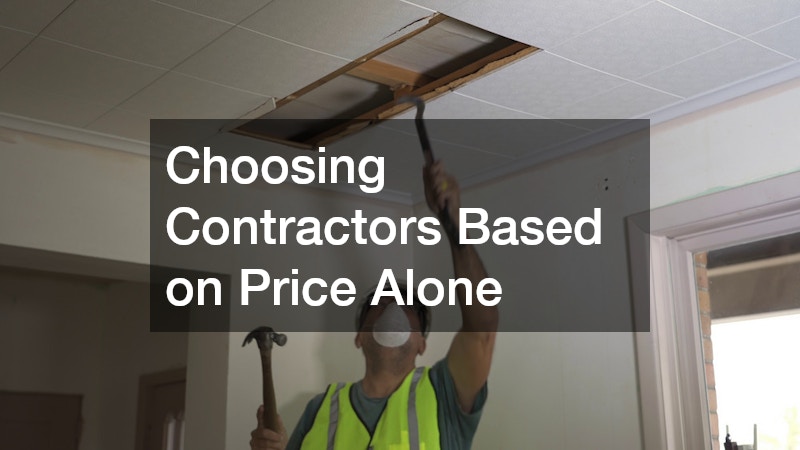
While it’s natural to compare quotes, selecting a contractor solely because they offer the lowest price can be a costly mistake. This is particularly true for specialized work like landscaping, where design knowledge, drainage expertise, and plant selection matter as much as labor.
Low bids may reflect inexperience, shortcuts, or the use of substandard materials. In some cases, contractors intentionally underbid to win the job, then rely on change orders to make up the difference. Homeowners may also face delays if a contractor is juggling too many projects to compensate for thin margins.
Evaluating contractors should include reviewing credentials, experience, references, and communication style. A fair price from a qualified professional often delivers better results, fewer surprises, and a smoother overall experience.
It’s also important to consider a contractor’s communication and problem-solving skills, not just their bid. A low-cost contractor who is hard to reach or slow to respond can turn a straightforward project into a source of frustration. On the other hand, a professional who provides clear timelines, explains options, and addresses concerns promptly often prevents delays and costly misunderstandings. Paying a bit more for reliability and transparency usually saves both time and money in the long run.
4. Using Low-Quality Materials to Cut Costs
Cutting material costs may seem like an easy way to stay within budget, but it often leads to premature wear and frequent repairs. This is especially true when working with roofers, where material quality directly impacts protection, lifespan, and energy performance.
Low-quality materials may not withstand weather conditions, UV exposure, or daily wear. Over time, this can lead to leaks, warping, fading, or structural damage. Replacing inferior materials sooner than expected often costs more than investing in quality products from the start.
Choosing materials should involve balancing aesthetics, durability, and manufacturer warranties. Trusted contractors can help homeowners understand which materials offer the best value over time, rather than focusing solely on initial savings.
5. Rushing the Project Timeline
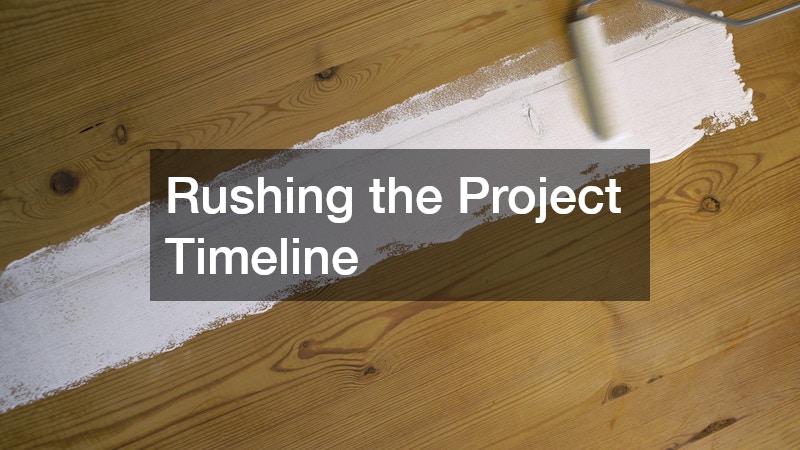
Homeowners often want projects completed as quickly as possible, especially when juggling work schedules or trying to minimize disruption. However, rushing a timeline can compromise workmanship and coordination. This becomes particularly evident when scheduling services like dumpster rentals, where delays or misalignment can slow down progress.
Rushed projects increase the risk of mistakes, skipped steps, and poor-quality finishes. Trades may overlap inefficiently, inspections may be missed, and materials may not be given proper curing or installation time.
A realistic timeline accounts not only for weather delays, inspections, and material delivery but also for unforeseen challenges that inevitably arise during any project. Construction often encounters unexpected issues such as hidden structural problems, subcontractor scheduling conflicts, or last-minute design changes. By building flexibility into your schedule, you give yourself and your contractors the breathing room to address these situations without cutting corners or compromising quality. This approach reduces stress, keeps the project on track, and ultimately results in a finished space that meets your expectations and stands the test of time.Rushing can also limit your ability to make informed decisions along the way. When timelines are tight, homeowners may feel pressured to approve changes or settle for materials and finishes without proper consideration. This often leads to regrets, costly rework, or compromises in quality. Allowing extra time for each phase—planning, delivery, installation, and inspections—ensures that both you and your contractors can address issues thoughtfully, resulting in a smoother process and a finished project you’ll be proud of.
6. Overlooking Energy Efficiency Opportunities
Home improvement projects are ideal opportunities to improve energy efficiency, yet many homeowners overlook this potential. Upgrades such as insulation, sealing, and custom window blinds can significantly reduce energy costs and improve comfort.
Failing to address efficiency during renovations often means missed savings and future retrofit costs. For example, replacing windows without considering thermal performance or installing blinds that don’t support light and heat control limits long-term benefits.
Energy-efficient choices often qualify for rebates or incentives, further improving return on investment. Incorporating these upgrades during a project is typically easier and more cost-effective than adding them later.
7. Poor Communication With Contractors and Trades
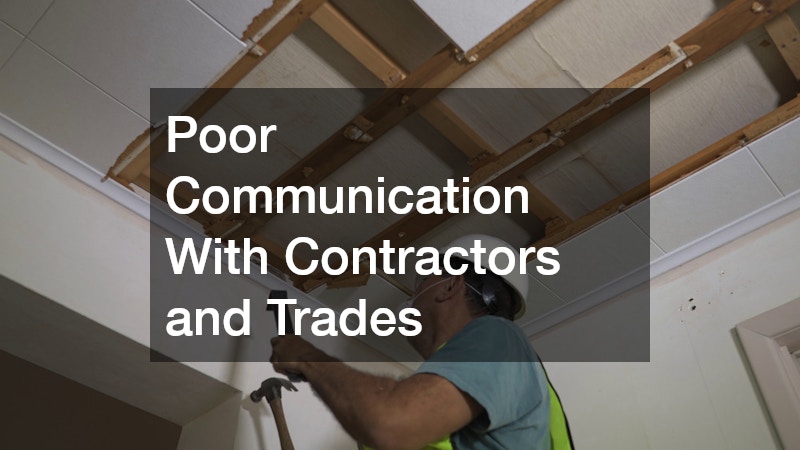
Even the most skilled professionals can’t deliver good results without clear communication. Misunderstandings about scope, materials, or timelines often lead to frustration and rework. This is especially critical during major projects like roofing replacement, where sequencing and expectations must be clearly defined.
Poor communication can result in incorrect installations, delays, and disputes over costs. Homeowners may assume something is included when it’s not, or contractors may proceed without confirming changes.
Establishing clear communication channels, documenting decisions, and scheduling regular check-ins helps keep everyone aligned and prevents small misunderstandings from turning into major setbacks. Homeowners should clearly outline expectations for scope, quality, and timelines, while contractors can provide updates on progress, potential delays, or unexpected challenges. Written agreements, updated plans, and progress photos create a shared record that reduces confusion and protects both parties if disagreements arise. Open and consistent communication not only smooths the workflow but also builds trust, ensuring that the project proceeds efficiently and delivers the results you envisioned.
8. Failing to Secure Proper Permits and Approvals
Skipping permits is a mistake that can have serious consequences. Many homeowners underestimate how often permits are required or assume small projects don’t need approval. However, failing to complete a building permit survey or secure the proper permits can lead to fines, forced removals, and complications during resale.
Permits exist to protect safety and structural integrity. They also create a record that work was completed to code. Without them, homeowners may face insurance issues or legal liability.
Working with knowledgeable contractors helps streamline the permitting process and prevents costly delays or violations.
9. Ignoring Hidden Structural or Safety Issues
Cosmetic improvements can mask deeper problems if underlying issues aren’t addressed. This is common in projects involving moisture, ground conditions, or load-bearing elements. For example, homeowners working with a local pool contractor may focus on aesthetics while overlooking soil stability or drainage concerns.
Ignoring these issues can lead to cracking, shifting, or safety hazards over time. Addressing structural concerns early allows for proper solutions and prevents future damage.
Inspections and professional assessments provide valuable insight before work begins, helping homeowners make informed decisions.
10. Attempting DIY Work Beyond Your Skill Level
DIY projects can be rewarding, but taking on work beyond your expertise can be dangerous and costly. Tasks like asphalt shingle roofing require specialized knowledge, safety equipment, and experience.
Mistakes in DIY projects often lead to repairs that cost more than professional installation would have. There’s also the risk of injury or voided warranties.
Knowing when to hire a professional protects your investment and your safety. DIY efforts are best reserved for cosmetic or low-risk tasks.
Home improvement projects offer valuable opportunities to enhance comfort, functionality, and property value, but success depends heavily on preparation and informed decision-making. As this article highlights, many of the most costly and stressful problems homeowners face stem from avoidable mistakes rather than unavoidable circumstances. Skipping planning, underestimating budgets, or rushing timelines may save time initially, but they often lead to long-term consequences that outweigh any short-term benefits.
Each mistake discussed here shares a common theme: the importance of thoughtful execution. Whether it’s choosing the right contractor instead of the cheapest one, selecting durable materials rather than cutting corners, or taking the time to secure permits and inspections, careful choices lay the foundation for successful outcomes. Even seemingly small decisions, like maintaining clear communication or incorporating energy-efficient upgrades, can significantly influence how a project performs over time.
Homeowners should also recognize the limits of DIY work and understand when professional expertise is necessary. Complex tasks, structural work, and systems that affect safety and longevity are best handled by qualified professionals. Investing in the right support early often prevents expensive repairs and frustration later.
Ultimately, avoiding these common mistakes helps create a smoother renovation experience and results that stand the test of time. By approaching your next home improvement project with realistic expectations, clear planning, and a focus on quality, you position yourself for success—not just during construction, but for years to come.