

Termites are silent destroyers that can compromise the structural integrity of a home before homeowners even realize there is an issue. When an infestation becomes widespread or difficult to reach with localized treatments, fumigation by a professional termite service is often the most effective solution.
Fumigation is a whole-structure termite treatment designed to eliminate termites wherever they are hiding. Unlike spot treatments that target specific areas, fumigation penetrates every part of a structure, including walls, attics, crawlspaces, and enclosed voids. Here’s what you should expect from fumigation performed by a licensed termite service.
Why a Licensed Termite Service Recommends Fumigation
A licensed termite service typically recommends fumigation when termites are found in multiple areas of a structure or when the infestation cannot be fully addressed with localized treatments. Drywood termites are a common reason for fumigation, as they live inside wood and can spread throughout a building without visible signs.
In these cases, spot treatments may miss hidden colonies, allowing the problem to persist and worsen over time.
Before recommending fumigation, professionals conduct a detailed inspection of the property. They look for signs such as damaged wood, frass (termite droppings), mud tubes, and discarded wings. The goal is to determine the extent of the infestation and whether fumigation is the most effective and efficient solution. If termites are widespread or located in inaccessible areas, fumigation offers a comprehensive approach that eliminates termites at all life stages.
Fumigation works by releasing a gas that spreads throughout the sealed structure. This gas penetrates wood, cracks, and hard-to-reach spaces, disrupting the termites’ nervous systems and eliminating them. Because the gas dissipates after treatment and leaves no residue, it is highly effective when applied correctly. This level of thoroughness is why many professionals consider fumigation the gold standard for severe termite infestations.
The Fumigation Process and What Homeowners Can Expect
Once fumigation is scheduled, a licensed termite service will provide homeowners with detailed preparation instructions. These steps are critical for both safety and treatment success. Occupants, including pets, must vacate the property for a specified period, usually two to three days. Food, medications, and certain personal items may need to be removed or sealed in protective bags, depending on the fumigant used and local regulations.
On the day of fumigation, technicians seal the structure with specialized tarps designed to contain the fumigant gas. Warning signs are posted around the property, and security devices are placed on doors to prevent unauthorized entry. After sealing the building, the fumigant is released in carefully measured amounts based on the size, layout, and construction of the structure. The gas is then allowed to circulate for a set exposure period to ensure it reaches all termite activity areas.
Throughout the process, the licensed termite service closely monitors gas levels to confirm they remain within the effective range. This monitoring ensures that termites are eliminated while maintaining compliance with strict safety standards. Fumigation is a highly regulated procedure, and licensed professionals follow guidelines established by state and federal agencies to protect both occupants and the environment.
After the exposure period is complete, the tarps are removed, and the structure is thoroughly ventilated. Technicians test the air inside the home to confirm that fumigant levels have dropped to safe limits before allowing reentry. Homeowners should never return to the property until the licensed termite service confirms it is safe to do so.
When you return home, you may notice a mild odor, but this typically dissipates quickly with normal ventilation. Fumigation does not damage furniture, clothing, or household items, and no residue remains once the gas has fully cleared. While fumigation is highly effective at eliminating existing termites, it’s important to understand that it does not provide permanent protection against future infestations.
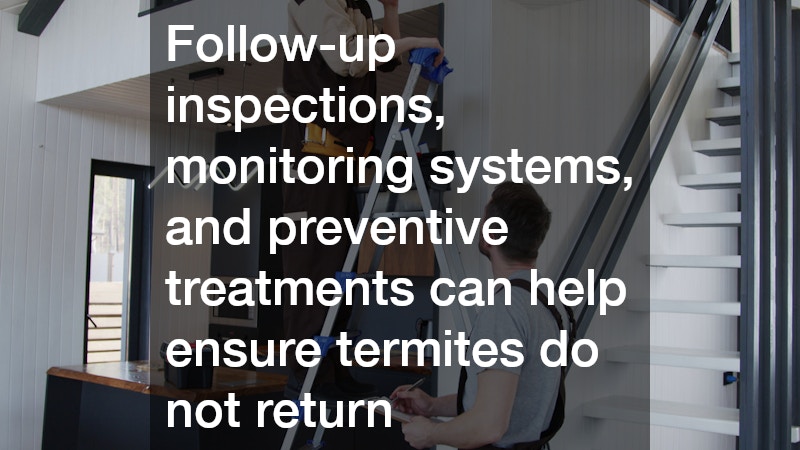
This is why many licensed termite service providers emphasize the importance of ongoing prevention. Follow-up inspections, monitoring systems, and preventive treatments can help ensure termites do not return. Reducing excess moisture, addressing wood-to-soil contact, and maintaining regular inspections all play a vital role in long-term termite control.
In addition to protecting the structure itself, timely fumigation can help preserve your home’s overall value. Undetected termite damage can weaken support beams, flooring, and walls, leading to extensive and costly repairs if left untreated. Acting promptly and partnering with a licensed termite service ensures the infestation is handled correctly the first time. Professional fumigation not only resolves the immediate issue but also provides reassurance that hidden colonies have been fully eliminated, allowing homeowners to focus on prevention rather than recurring damage or unexpected repair expenses.
Understanding how fumigation works and what to expect from a licensed termite service empowers homeowners to make informed decisions when facing serious termite infestations. While the process requires preparation and temporary inconvenience, fumigation delivers a reliable, comprehensive solution. With expert care and proactive prevention measures, homeowners can move forward with peace of mind knowing their property is protected for the long term.