
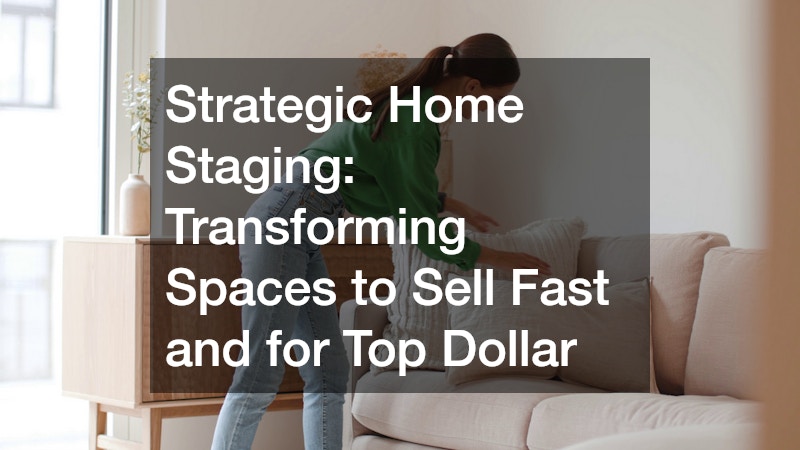

When a property enters the competitive real estate market, it undergoes a profound conceptual shift. It is no longer simply your personal residence filled with memories, personalized quirks, and specific stylistic choices. Instead, it becomes a high-value financial commodity that must appeal to the broadest possible demographic of potential buyers. Understanding the psychology of these buyers is the absolute cornerstone of a successful, highly profitable transaction. Research consistently shows that buyers make a subconscious decision about a property within the first fifteen seconds of walking through the front door. This initial emotional connection is so powerful that it often dictates whether they will overlook minor flaws later or if they will actively search for reasons to walk away from the deal.
In today’s digitally driven market, that critical first impression actually happens long before a physical walkthrough. It happens online, through high-definition photography, virtual tours, and drone footage. A house that has not been properly prepared will look flat, uninviting, and cluttered on a smartphone screen, causing buyers to scroll past it in favor of a more polished alternative. Strategic preparation is about stripping away the hyper-personal elements of your daily life and replacing them with a generalized, aspirational aesthetic. You are not just selling walls and a roof; you are selling a lifestyle. You want the young professional to envision hosting sophisticated dinner parties, and the growing family to imagine peaceful Saturday mornings in the breakfast nook.
Achieving this level of universal appeal requires a systematic approach. It is not enough to simply declutter the closets and put a fresh coat of white paint on the walls. True maximization of your property’s equity demands a strategic blend of cosmetic enhancements, mechanical verifications, and purposeful interior design. By addressing the property as a holistic product, you can minimize the buyers’ perceived risks, maximize their emotional attachment, and ultimately drive multiple competitive offers. This comprehensive guide will dissect every layer of the preparation process, ensuring that your property stands out as the premier listing in your neighborhood.

Laying the Groundwork for Structural Success
Before you can focus on the beautiful, aesthetic layers of interior design, you must take a hard, objective look at the structural integrity of your property. Aesthetic enhancements are essentially useless if the underlying structure is compromised. Buyers are inherently risk-averse. If they spot a sagging ceiling, a cracked foundation wall, or an awkwardly configured, claustrophobic floor plan, they will immediately begin calculating the cost of fixing those issues, usually overestimating the expense by a significant margin. This leads to lowball offers or immediate rejection.
Sometimes, a property requires more than just a surface-level facelift to compete in a hot market. If your layout is incredibly dated—such as a kitchen that is completely walled off from the main living area—it may be financially advantageous to open the space up. However, knocking down walls and altering the fundamental flow of a property is never a do-it-yourself weekend project for an amateur. Engaging a qualified home remodeler is a strategic move that pays massive dividends. These professionals have the structural knowledge to determine which walls are load-bearing, the logistical expertise to secure the correct municipal permits, and the established crew to execute the vision swiftly before your listing goes live.
When evaluating the structural needs of your property, keep the following crucial factors in mind:
-
Flow and Functionality: Does the current floor plan make logical sense for a modern buyer? Modern buyers overwhelmingly prefer open sightlines that connect the kitchen, dining, and living areas.
-
Permit Verification: Unpermitted additions or structural changes are massive red flags during a buyer’s appraisal. Ensure all previous major work has the appropriate documentation.
-
Safety and Code Compliance: Handrails, proper stair clearances, and deck supports must meet current building codes to survive a buyer’s inspection without issue.
-
Return on Investment: Not all major projects yield a positive return. Focus on structural changes that universally add value, like adding a half-bath to a single-bathroom property, rather than highly niche additions that only appeal to specific hobbies.
Revitalizing High-Traffic Interior Surfaces
Once the structural layout is optimized and verified, the next critical phase involves the surfaces that buyers will see and touch the most. The kitchen is universally recognized as the most important room in any real estate transaction. A dated, worn kitchen can sink a sale faster than almost any other factor. However, a complete, gut-renovation of a kitchen can cost tens of thousands of dollars and take months to complete, which is rarely a viable timeline for a seller. The secret to maximizing your return on investment in the kitchen is strategic, cosmetic revitalization.
If your cabinets are structurally sound but aesthetically dated, professional painting and new hardware can work wonders. But the horizontal surfaces are where buyers are most critical. Scratched, stained, or vividly colored laminates instantly date a property. A brilliant, cost-effective alternative to ripping out and completely replacing the entire setup is professional countertop refinishing. This specialized process applies highly durable, modern coatings over existing surfaces, instantly transforming an old, tired kitchen into a bright, modern culinary space at a fraction of the cost and time of traditional stone installation.
Equally important to the kitchen surfaces are the floors beneath the buyers’ feet. The flooring unifies the entire property. Inconsistent materials chopped up room-by-room make a house feel small and disjointed. Furthermore, damaged floors scream “deferred maintenance” to a prospective buyer. Before you even think about bringing in staging furniture, you must assess the ground level.
-
Address structural squeaks: A floor that groans underfoot makes the house feel cheap and poorly built, regardless of how nice it looks visually.
-
Execute seamless flooring repairs: Whether it is patching a section of water-damaged hardwood, replacing cracked ceramic tiles in the entryway, or re-stretching materials that have buckled, these fixes are non-negotiable for a premium presentation.
-
Create visual continuity: If possible, ensure that the main living areas share a continuous flooring material. This optical trick draws the eye continuously through the space, making the square footage feel significantly larger than it actually is.

Grounding the Space with Textiles
With the hard surfaces perfected, the environment can sometimes feel a bit cold, echoey, or sterile. This is a common issue when sellers over-correct and remove absolutely everything from the house, leaving barren rooms. While you want a clean slate, you do not want an empty, soulless box. Soft staging is the art of introducing textiles and fabrics to add warmth, improve acoustics, and subtly guide the buyer’s eye toward the intended use of each specific area.
In large, open-concept floor plans, a buyer can sometimes feel lost. A massive, echoing rectangular room can leave them wondering where to place their television or how to arrange their dining table. This confusion causes anxiety, and anxiety kills sales. You can solve this spatial confusion entirely through the strategic placement of soft goods. By laying down high-quality carpets in distinct zones, you instantly create invisible rooms within the open space. A large, neutral textile under a sofa and coffee table immediately defines the living room space, while a separate, subtly textured piece under a dining set anchors the eating area beautifully.
When selecting textiles for staging, adhere to these proven industry guidelines:
-
Neutrality is paramount: Avoid loud, polarizing patterns, intense geometric shapes, or deeply saturated primary colors. Stick to soft creams, light grays, warm taupes, and muted earth tones.
-
Prioritize cleanliness: If you have existing soft surfaces in the bedrooms, they must be flawlessly clean. Hire a professional steam cleaning company to remove all pet odors, stains, and allergens so the house smells brand new.
-
Texture over color: To prevent a neutral room from looking boring, layer different textures. Mix a chunky knit throw blanket with smooth linen pillows and a subtly ribbed floor covering to create visual depth and sophistication.
-
Proper sizing: A rug that is too small makes the room look cramped. Ensure that at least the front legs of all major furniture pieces within a grouping rest comfortably on the textile.
Ensuring Hidden Systems Function Flawlessly
A beautifully staged, visually stunning property will generate a fantastic initial offer. However, that offer is almost always contingent upon a professional home inspection. If your property looks like a luxury estate on the surface but possesses the failing mechanical infrastructure of a dilapidated teardown, the deal will inevitably collapse in escrow. Buyers are absolutely terrified of hidden expenses. A sparkling new kitchen island will not offset the panic a buyer feels when an inspector tells them the house requires a total mechanical overhaul.
To protect your equity and ensure a smooth path to closing, you must be proactive about the hidden heart of the house. The systems that carry water and generate warmth are often the biggest sources of buyer anxiety. Hiring a licensed professional to conduct a comprehensive audit of the plumbing and heating systems prior to listing allows you to identify and rectify small leaks, failing water heaters, or corroded pipes before a buyer’s inspector flags them as massive emergencies. Presenting a clean bill of health for these critical systems gives buyers immense peace of mind.
Similarly, the systems that regulate air quality and summer temperatures are heavily scrutinized by both buyers and their inspectors.
-
Schedule preventative maintenance: Engage certified HVAC services to clean coils, replace filters, check refrigerant levels, and ensure the blower motors are operating at peak efficiency before the house hits the market.
-
Document everything: Keep detailed receipts of all mechanical maintenance and repairs. Leaving a binder of these records on the kitchen counter during an open house is a powerful psychological tool that proves the home has been meticulously cared for.
-
Address the ductwork: Ensure all visible ductwork in the basement or attic is properly sealed and insulated so energy isn’t wasted.
-
Upgrade thermostats: Swapping an old, yellowed dial thermostat for a modern, smart thermostat is a low-cost upgrade that makes the entire mechanical system feel cutting-edge and highly efficient.
Upgrading the Architectural Envelope
The exterior shell of your property—the roof, the siding, and the openings—plays a dual role in a real estate transaction. It represents the first line of defense against the elements, and it is the primary driver of exterior curb appeal. You can have the most exquisitely staged interior in the world, but if the exterior envelope looks neglected, many buyers will simply drive past without ever stepping out of their cars. They will assume that a neglected exterior indicates a neglected interior.
The glass panels that connect the inside to the outside are particularly vital. Old, single-pane glass, rotting wood frames, or broken seals that allow condensation to fog the glass are immediate deal-breakers for modern, energy-conscious buyers. Not only are they visually unappealing, but they also severely compromise the thermal dynamics of the house, leading to exorbitant utility bills. Investing in high-quality replacement windows is one of the most lucrative pre-sale renovations you can undertake. It fundamentally transforms the property on multiple levels simultaneously.
-
Energy Efficiency: Modern, double-paned, argon-filled glass drastically reduces heat transfer, keeping the house cooler in the summer and warmer in the winter, which is a massive selling point.
-
Noise Reduction: If your property is located on a busy street or near an airport, upgrading the architectural envelope is essential. Modern glass provides incredible acoustic insulation, making the interior feel like a serene, quiet sanctuary regardless of what is happening outside.
-
Aesthetic Modernization: Swapping out chunky, peeling frames for sleek, modern vinyl or fiberglass instantly updates the perceived age of the house.
-
Operational Smoothness: Buyers will test the functionality during walk-throughs. Sashes that slide effortlessly on their tracks and lock securely communicate safety, quality, and meticulous maintenance.
Illuminating and Enhancing Interior Ambience
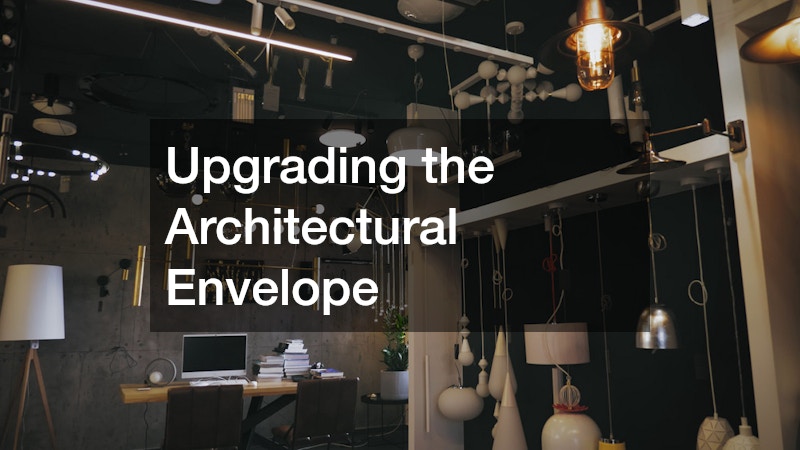
Lighting is arguably the most powerful, yet frequently overlooked, tool in a stager’s arsenal. The way a room is illuminated dictates its mood, its perceived size, and the vibrancy of its colors. A dimly lit room feels sad, small, and oppressive, while a brightly, warmly lit room feels expansive, welcoming, and luxurious. Relying solely on the natural light that happens to filter in during a scheduled showing is a massive mistake. You must take complete control of the interior ambience through a deliberate, layered illumination strategy.
Begin by evaluating the hardware itself. Dated, builder-grade brass chandeliers from the 1990s, heavy ornate ceiling fans, or harsh fluorescent boxes in the kitchen instantly age the entire property. Replacing these with contemporary, brushed nickel, matte black, or brushed brass lighting fixtures is a relatively inexpensive upgrade that yields a disproportionately high visual impact. It signals to the buyer that the home is current, stylish, and completely turnkey.
Creating a truly inviting atmosphere requires mastering the three layers of illumination:
-
Ambient Illumination: This is the general, overall glow of the room. Maximize this by ensuring all ceiling fixtures have maximum wattage bulbs, and always open every blind and curtain before a showing to flood the space with natural sunshine.
-
Task Illumination: This targets specific functional areas. Ensure the kitchen counters are brightly lit with under-cabinet strips, and that reading nooks or bathroom vanities have clear, shadow-free illumination for practical use.
-
Accent Illumination: This adds drama and sophistication. Use small, directed beams to highlight architectural details like a beautiful stone fireplace, a piece of striking artwork, or the interior of a glass-front display cabinet.
-
Mastering Color Temperature: Never mix bulb colors in the same room. For residential staging, aim for bulbs in the 2700K to 3000K range. This produces a warm, inviting, slightly golden glow that makes spaces feel cozy, as opposed to the sterile, blue-tinted light of 4000K+ bulbs that make a home feel like a clinical environment.
Creating an Irresistible Exterior Experience
Since 2020, buyer priorities have shifted dramatically regarding exterior spaces. The backyard is no longer just a patch of grass to be mowed; it is highly valued as an extension of the primary living space—an open-air living room, dining room, and sanctuary. Consequently, staging the exterior is just as critical as staging the master bedroom or the kitchen. If your exterior is a barren, unkempt wasteland, you are leaving a massive amount of potential equity on the table when negotiating with buyers.
The journey begins at the curb. The driveway and the walkways are the very first physical surfaces the buyer interacts with. A driveway full of deep potholes, severe cracking, and aggressive weed growth sets a tone of neglect before the buyer even reaches the front porch. Hiring a professional paving service to seal-coat an asphalt driveway, repair sunken concrete, or power-wash and re-sand paver stones creates a crisp, pristine pathway that guides the buyer smoothly toward the entryway.
Once the hardscaping is repaired and the lawn is perfectly manicured, you must stage the lifestyle to evoke an emotional response.
-
Define the patio space: Do not leave a wooden deck or concrete patio empty. Buyers struggle to visualize scale outside just as they do inside.
-
Anchor with furniture: Arrange a stylish, weather-resistant outdoor furniture set—complete with a conversational seating arrangement, an exterior area rug, and perhaps a stylish fire pit—to instantly demonstrate how the space can be used for entertaining friends or relaxing with family.
-
Add vibrant life: Flank the front door and the back patio with oversized, matching planters filled with bright, blooming, seasonal flowers. This adds a pop of welcoming color and makes the home feel incredibly vibrant.
-
Exterior Illumination: Buyers often drive by properties at night. Ensure your exterior pathways are lined with solar stakes, the address numbers are clearly lit, and the front porch features a modern, welcoming lantern to create a stunning twilight curb appeal.
Sealing the Deal and Maximizing Your Equity Return
Navigating a high-value real estate transaction is an exercise in meticulous preparation, psychological marketing, and strategic investment. By refusing to simply list your property without preparation, you take absolute control of the narrative. You transform a mere building into a highly desirable, move-in-ready sanctuary that appeals to the emotional desires and logical requirements of premium buyers. The effort you put into perfecting the flow, verifying the unseen mechanics, and curating a flawless visual presentation directly translates into fierce buyer competition, fewer days on the market, and a final closing price that reflects the true, maximized potential of your investment.
As you approach your listing date, perform one final, ruthless walkthrough. Experience the property exactly as a stranger would. Open every door, test every switch, and scrutinize every sightline. Ensure the air smells fresh, the surfaces sparkle, and the temperature is perfectly comfortable. When the photography is scheduled, and the first open house begins, you can step away with absolute confidence. You have done the work. You have removed the objections. You have created an environment that buyers will not just want to purchase, but will feel compelled to fight for. The foundation is set, the stage is dressed, and your highly profitable real estate triumph is ready to begin.