


A residential property represents one of the largest financial investments a person will ever make, yet the long-term market value of a house depends heavily on how well its exterior is preserved over time. Curb appeal is far more than a superficial aesthetic choice; it serves as the visible manifestation of structural health, proactive home maintenance, and genuine pride of ownership. When neighbors, guests, or prospective buyers drive down a residential street, the outer condition of a property creates an immediate impression that sets the tone for the entire house. Beyond visual beauty, regular outdoor upkeep prevents minor issues from spiraling into costly structural disasters. Uncontrolled water intrusion, pest infestation, cracked hardscaping, and overgrown foliage can quietly erode a building’s structural integrity if left unchecked for extended periods.
Maintaining a clean and welcoming exterior requires a systematic, organized approach rather than sporadic weekend efforts. Homeowners who establish a reliable outdoor routine discover that property management becomes far simpler, more predictable, and considerably less expensive over the long term. A balanced plan combines routine sanitation with specialized softscape and hardscape care. For example, basic domestic sanitation tasks like scheduling weekly curbside trash pick up ensure that organic waste and clutter never accumulate near perimeter walls, which discourages scavengers and keeps outdoor paths clear. At the same time, intentional residential landscaping converts ordinary yards into functional, visually appealing outdoor living areas that boost both daily enjoyment and resale equity. Every single component of an exterior environment, from the front lawn to the roofline, works together to form a protective shield around the home.
Foundation Defense and Sub-Surface Moisture Control
Water is the single most destructive force facing any residential structure over time. When heavy rainfall, springtime runoff, or melting snow collects around a foundation without a clear escape route, hydro-static pressure begins to build rapidly against subterranean walls. Over time, this intense pressure forces moisture through microscopic pores and hairline cracks in concrete or stone. The result is damp basements, persistent mold growth, wood rot in structural framing, and eventual foundation shifting. Protecting the base of a house requires a thoughtful two-fold strategy that manages both surface runoff and below-ground moisture levels. Proper soil grading is the essential first line of defense, ensuring that topsoil slopes downward away from exterior walls at a slope of at least six inches over the first ten feet.
In areas where natural soil drainage is poor or heavy clay retains excess moisture, strategic hardscaping materials can redirect surface streams efficiently. Laying washed gravel along foundation borders, drainage swales, and beneath downspout extensions prevents topsoil erosion while allowing heavy rainwater to percolate smoothly into subsurface drainage pipes. However, when persistent ground moisture penetrates basements, crawl spaces, or lower floor levels, calling in a professional waterproofing service becomes necessary to seal structural cracks, install interior sump pump systems, or lay exterior drainage membranes. These protective interventions prevent structural settling, keep building materials dry, and preserve healthy indoor air quality throughout every season of the year.
Structural Integrity and Maintenance of Hardscape Surfaces

Driveways, walkways, stone pathways, and retaining walls define the geometric framework of an exterior property. These hardscape elements bear heavy vehicular loads, withstand seasonal freeze-thaw cycles, and endure continuous exposure to harsh weather conditions. Over time, ground settling and moisture expansion cause visible surface cracking, spalling, or dangerous uneven shifting in rigid materials. Neglecting these flat surfaces not only diminishes visual appeal but also creates tripping hazards for residents, visitors, and delivery drivers. Regular visual inspections help property owners identify early signs of wear before minor surface fissures deteriorate into deep structural failures that require total replacement.
A well-maintained local concrete driveway provides a clean, smooth entrance that instantly brightens the front of any residential property. Keeping concrete surfaces washed and properly sealed against road salt, oil stains, and moisture penetration extends their operational lifespan while preventing surface flaking during winter freezes. Similarly, vertical stone structures, brick steps, and decorative garden walls require routine attention to mortar joints and structural alignment. Partnering with a skilled masonry business allows homeowners to repair crumbling mortar, reset loose pavers, and rebuild leaning retaining walls using durable materials that match the architectural character of the main house. Sound hardscaping establishes a sturdy, attractive frame that highlights the natural beauty of surrounding plants.
Canopy Management and Overhead Hazard Mitigation
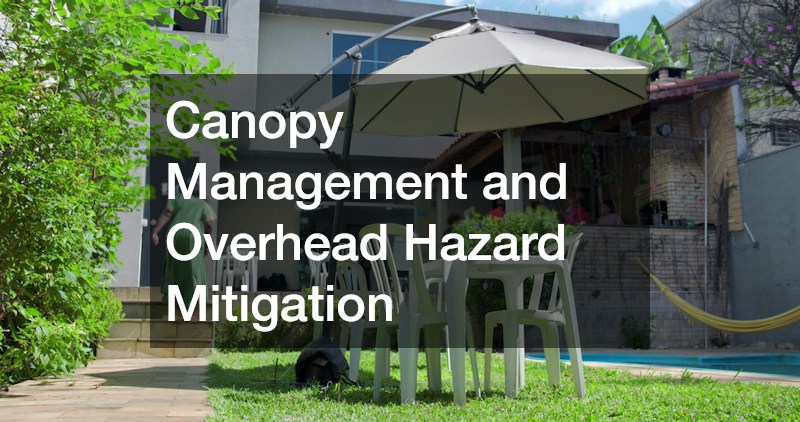
The upper canopy of a property plays an important role in providing shade, lowering summer cooling bills, and framing architectural features gracefully. However, mature trees and dense shrubbery can also present serious hazards if branches are allowed to grow unchecked over roofs, chimneys, power lines, and house siding. Strong windstorms and ice events can snap brittle or diseased limbs, casting heavy timber directly onto roof structures, glass windows, and parked automobiles. In addition, scraping branches strip protective granules off roof shingles, creating direct access points for water leakage and premature roof replacement.
Conducting seasonal canopy audits helps owners identify dead wood, hollow trunks, fungal growths, and improper weight distribution across major limbs. Hiring a certified tree service ensures that tall oaks, maples, and pines are pruned safely using specialized climbing gear and professional cutting techniques. Proper canopy management increases sunlight penetration to ground-level grass while reducing wind resistance during severe storms. Beyond structural risks, dense foliage touching exterior walls creates an easy bridge for invading insects and rodents. Implementing a targeted pest control program creates a defensive barrier around the home, preventing ants, termites, spiders, and mice from nesting in siding, soffits, or attic spaces.
Cultivating Healthy Turf and Botanical Garden Beds
A thick, deep green lawn serves as the lush carpet that unifies all exterior design features. Achieving a resilient turf requires more than just mowing every weekend during the summer months. Soil health forms the true foundation of turf quality, requiring balanced nutrient applications, regular core aeration, and correct watering habits tailored to specific grass species. Compacted soil starves root systems of essential oxygen and moisture, leading to thin patches where opportunist weeds easily take root. Periodic soil testing reveals exact pH levels and mineral deficiencies, enabling precise fertilizer applications that support deep, drought-resistant root systems.
Investing time in systematic lawn care helps grass withstand summer heat waves, heavy foot traffic, and sudden dry spells without turning brown or patchy. Beyond the turf, vibrant garden beds introduce color, texture, and pleasant fragrance to front entryways and backyard living areas. Sourcing healthy shrubs, ornamental grasses, and seasonal flowers directly from a reputable flower nursery ensures that new plants are acclimated to regional climate conditions and resistant to local plant diseases. Combining perennial plants with seasonal annuals creates continuous visual interest across spring, summer, and autumn months while encouraging beneficial pollinators like bees and butterflies to visit the garden.
Optimizing Outdoor Pathways and Property Boundary Aesthetics
Beyond plant selection and hardscapes, the perimeter features of a property contribute significantly to overall safety, boundary clarity, and visual appeal. Low-voltage outdoor illumination highlights architectural details, illuminates footpaths, and enhances security during evening hours. Fixtures positioned along front walkways, driveway edges, and garden steps ensure that family members and guests can navigate the grounds safely after dark. Regularly cleaning fixture lenses, replacing worn wiring, and trimming back obscuring foliage ensures that outdoor lighting remains functional and bright throughout every season.
Fences, gates, and boundary walls also require routine attention to maintain structural strength and visual harmony. Wooden privacy fences require periodic washing and protective sealing to prevent timber rot, fungal decay, and warping caused by moisture and sun exposure. Metal or composite fencing should be checked for loose anchor posts, rust spots, or failing mechanical latches. Proper boundary management complements overall property landscaping, keeping outdoor spaces defined, private, and secure for household members and pets. Coordinating well-lit pathways with clean fence lines creates an organized exterior environment that looks polished at all hours.
Building a Structured Four-Season Exterior Maintenance Calendar
Sustaining an attractive, functional exterior requires a structured maintenance calendar split into four distinct seasonal phases. Spring focuses on cleanup and preparation, clearing away fallen winter debris, prepping soil beds, and applying pre-emergent weed controls before weed seeds germinate. Homeowners should inspect foundation walls for winter frost damage, re-edge garden borders, and apply fresh layers of organic mulch around trees and shrubs to conserve soil moisture. Spring is also the ideal time to service lawn mowers, flush gutter downspouts, and inspect outdoor irrigation systems for cracked water lines or broken sprinkler heads.
Summer shifts the primary focus toward growth management, deep hydration, and routine pest control monitoring around outdoor sitting areas. Deep, infrequent watering early in the morning encourages deep root systems while preventing fungal outbreaks on plant foliage. Autumn shifts focus to winterization, leaf collection, and soil nourishment. Raking leaves prevents turf suffocation, while late-season fertilizing builds nutrient stores inside root systems for rapid spring green-up. Winter maintenance revolves around safe snow removal, ice management, and protecting delicate plantings from severe cold. Applying burlap wraps to young evergreen trees and using concrete-safe ice melt products protects both softscape investments and hardscape surfaces throughout freezing winter conditions.
Managing Outdoor Utilities, Gutters, and Drainage Systems
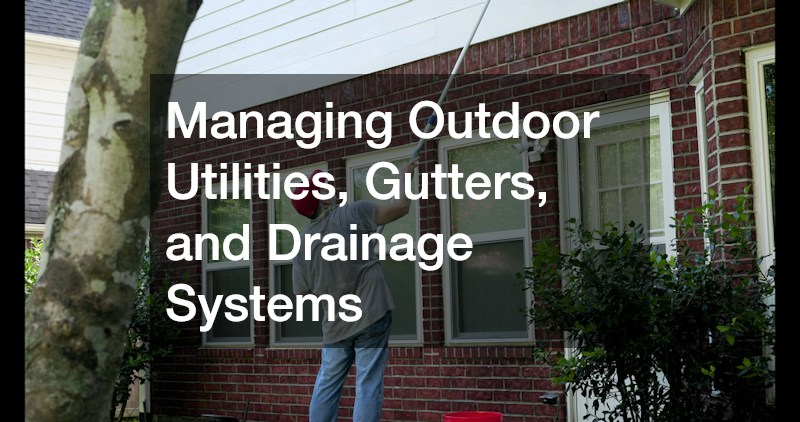
Gutter systems and roof drainage play a silent yet critical role in preserving home exteriors. Clogged gutters overflow during heavy downpours, spilling water directly down exterior siding and pooling around the base of the foundation. Over time, overflowing gutters rot fascia boards, stain exterior paint, and saturate ground soil. Clearing leaves, twigs, and sediment from gutters at least twice a year – typically in late spring and late autumn – prevents blockages and ensures smooth water flow. Installing gutter guards can further reduce debris accumulation, though periodic inspections remain necessary to verify proper flow.
In addition to gutters, outdoor utility fixtures require routine visual checks. Air conditioning condenser units, outdoor electrical outlets, fuel lines, and exterior spigots must remain clear of encroaching vegetation and dirt. Keeping at least two feet of clear space around air conditioning units allows proper airflow, improving cooling efficiency and preventing premature system breakdown. Disconnecting hoses from outdoor faucets before the first winter freeze prevents ice expansion inside copper pipes, avoiding costly indoor water leaks and plumbing repairs. Combining clean gutters with protected utility lines protects the entire outer shell of the house.
Long-Term Financial Planning and Professional Contractor Partnerships

Managing a residential property involves making smart financial decisions that balance immediate upkeep costs against long-term asset preservation. Deferred maintenance is almost always far more expensive than routine preventative care. A minor roof leak, a small basement damp spot, or a hairline fracture in a concrete surface can quickly expand into thousands of dollars in structural restoration if ignored over consecutive seasons. Establishing a dedicated annual maintenance fund allows homeowners to address minor repairs immediately without disrupting household finances or causing unnecessary stress.
Professional service providers play an essential role in keeping complex residential systems operating safely and efficiently. While DIY efforts work well for routine tasks like weeding, basic pruning, and simple lawn care, specialized jobs require industrial equipment, certified safety training, and technical expertise. Working with licensed, insured contractors guarantees that heavy structural work meets municipal building codes and industry standards. Clear communication, written contracts, and detailed project estimates protect homeowners while ensuring high quality workmanship across every phase of property upkeep. By taking a proactive approach, owners preserve their financial investment and create an outdoor environment that brings continuous joy and value for many years to come.
Sustaining Property Value Through Proactive Exterior Stewardship
Ultimately, maintaining a home exterior is an ongoing effort rather than a single destination. Properties are dynamic environments that react continuously to weather changes, soil movement, organic growth, and daily human activity. Homeowners who adopt a proactive mindset view regular maintenance not as a burdensome chore, but as a wise strategy for asset protection and lifestyle quality. Taking the time to inspect surfaces, clean drainage paths, nurture soil, and trim overhanging foliage prevents small problems from escalating into major financial burdens down the road.
Beyond individual property boundaries, well-kept homes improve entire neighborhoods, encouraging community pride and supporting strong local real estate values. Whether a homeowner chooses to tackle basic weekend tasks personally or build long-term relationships with trusted neighborhood professionals, consistency remains the secret to success. A structured approach ensures that every square foot of the property receives the attention it deserves throughout the year. By giving the exterior environment thoughtful care across all four seasons, homeowners can relax and enjoy a safe, comfortable, and beautiful property that stands strong against the test of time.