

A generation ago, staying comfortable meant a box fan in July, an extra blanket in January, and waiting your turn for the shower. Expectations have changed. Today’s households want rooms that hold a steady temperature, hot supply that never runs out, electrical capacity for chargers and smart devices, and outdoor spaces that stay usable well beyond a few mild weeks in spring.
Meeting those expectations takes more than a single upgrade. The equipment, the building shell, and the spaces around the house all have to work together, and each one depends on quality materials and skilled hands. The sections below walk through ten areas where modern improvements make the biggest difference, with practical detail on what to look for and how experienced professionals get the job done right.
Hazardous Trunks Leaning Toward the House

Mature shade specimens add beauty and value, but they become liabilities once decay or damage sets in. Cavities at the base, fungal conks on the bark, dead limbs high in the crown, and soil heaving on one side of the root plate all point to a structure that may fail without warning. Construction near the root zone, repeated drought, and pests like ash borers can weaken a specimen for years before it finally gives way during a storm.
Arranging local tree removals before storm season gives crews time to plan a safe, controlled job rather than an emergency response. Area crews understand municipal permit rules, protected species ordinances, and utility clearance requirements. Climbers section the canopy from the top down, lowering each piece with rigging lines, pulleys, and friction devices so limbs never swing into siding or vehicles. When space is tight, a crane can lift heavy sections over the house in a single pick. Stump grinding takes the remaining wood several inches below grade, and the area can then be backfilled and seeded. Confirm liability coverage and a written scope before work begins.
Screened and Glassed-In Rooms for Three-Season Living
Open-air spaces often sit empty for much of the year. Mosquitoes take over on summer evenings, pollen coats furniture in spring, and a sudden shower sends everyone indoors. Harsh afternoon sun can make an uncovered slab too hot to use, while cold wind in late fall cuts the season short.
A quality enclosed patio service transforms that underused area into a comfortable room that stretches from early spring into late fall. Options range from simple aluminum-framed screen systems with fiberglass or pet-resistant mesh to insulated four-season rooms with thermally broken frames and low-E glass. Designers evaluate the existing slab or deck for load capacity, tie the new structure into the house with properly flashed ledger boards, and choose framing rated for local snow and wind loads. Ceiling fans, recessed lighting, outdoor-rated outlets, and ductless mini-split units extend comfort further. Vinyl or acrylic panels that slide open can turn a screened space into a weather-tight room in seconds.
Matching Cooling Capacity to the Way a House Is Built
Replacing old cooling equipment with a bigger unit seems like an easy fix, but oversizing causes as many problems as undersizing. A system that is too large cools the air quickly and shuts off before removing enough moisture, leaving rooms clammy and inviting fungal growth. One that is too small runs nonstop on the hottest days without keeping up. Leaky or poorly designed ductwork compounds the issue, wasting conditioned air in attics and crawl spaces.
A proper ac install starts with a Manual J load calculation that considers insulation levels, glazing orientation, air leakage, and local design temperatures, followed by Manual S equipment selection and Manual D duct design. Variable-speed and two-stage systems with SEER2 ratings of 16 or higher run longer at lower speeds, improving dehumidification and comfort while lowering energy bills. Technicians set the line set with proper insulation, braze connections under a nitrogen purge, pull a deep vacuum below 500 microns, and charge refrigerant based on superheat and subcooling measurements. A level condenser pad, a properly sized disconnect, and a secondary drain pan with a float switch complete a reliable setup.
Pipes, Fixtures, and Drains That Work Without Fuss

The supply and drain lines inside the walls rarely get attention until something goes wrong. Aging galvanized steel corrodes from the inside, reducing pressure and discoloring the flow, while polybutylene lines from the 1980s and 1990s are prone to sudden failure. Pinhole leaks in copper soak subfloors, grease narrows drain lines, and worn shutoff valves seize when they are needed most.
Modern plumbing upgrades address these weak points before they cause damage. Repiping with PEX tubing offers flexibility, freeze resistance, and fewer fittings behind walls, while copper remains a durable choice for exposed runs. Camera inspections reveal root intrusion and breaks in sewer laterals, and trenchless lining or pipe bursting can rehabilitate damaged lines without digging up the yard. Quarter-turn ball valves at every fixture, a pressure-reducing valve set between 50 and 70 psi, and an expansion tank on closed systems protect the entire network. Smart leak detectors with automatic shutoff valves add another layer of protection against costly flooding, and insulating exposed lines in crawl spaces and exterior walls helps prevent burst pipes during hard freezes.
Endless Hot Showers on Demand
Traditional storage tanks keep 40 to 80 gallons hot around the clock, wasting energy through standby heat loss and running out at the worst moments. Sediment buildup reduces efficiency over time, and most tanks only last 8 to 12 years before corrosion forces a change. Their large footprint also takes up valuable space in utility rooms and closets.
A professional tankless water heater install solves these problems by heating supply only when a tap opens. Gas condensing models reach efficiency ratings of 0.95 UEF or higher and can deliver 8 to 11 gallons per minute, enough for multiple showers at once. Proper sizing considers the incoming groundwater temperature and peak flow demand. Technicians often upsize the gas line to handle the higher BTU input, run PVC or polypropylene venting for condensing units, and add isolation valves that make annual descaling simple. Electric models need dedicated high-amperage circuits, which may require a panel upgrade. With proper care, these units can last 20 years or more.
Drafty Glass Panes Drive Up Energy Bills
Old single-pane or early double-pane units are one of the largest sources of heat loss and gain in a house. Failed seals let condensation form between panes, wood sashes rot and stick, and worn weatherstripping lets cold drafts and outside noise slip through. Faded furniture and flooring near glass are another sign that harmful UV rays are passing straight through.
A professional window replacement improves comfort, efficiency, and curb appeal at the same time. Modern units with double or triple glazing, low-E coatings, argon or krypton gas fills, and warm-edge spacers dramatically reduce heat transfer. ENERGY STAR ratings, U-factor, and solar heat gain coefficient help owners choose the right product for their climate zone. Crews choose between insert and full-frame methods depending on the condition of the existing frames, then flash the openings with self-adhered membranes and seal gaps with low-expansion foam to prevent air and moisture intrusion. Vinyl, fiberglass, wood, and clad-wood frames each offer different balances of cost, durability, and appearance, and tempered or laminated glass adds safety near doors, stairs, and bathtubs.
Refreshing a Tired Backyard Swim Area

Even well-built swim areas show their age after a decade or two. Plaster etches and stains, waterline tile cracks or pops loose, and coping stones shift as the deck settles. Older single-speed pumps consume large amounts of electricity, outdated filters struggle to keep the water clear, and worn lighting fixtures may not meet current safety codes.
A comprehensive pool remodeling service restores both appearance and performance. Resurfacing with quartz or pebble aggregate finishes creates a smoother, longer-lasting interior than traditional white plaster, while new porcelain or glass tile refreshes the waterline. Crews can replace coping, add a tanning ledge, swap old incandescent fixtures for LED color lights, and resurface the surrounding deck with pavers or travertine. Equipment upgrades include variable-speed pumps that meet federal efficiency standards, cartridge filters, salt chlorine generators, and automation systems controlled from a phone. Anti-entrapment drain covers and updated bonding bring older basins up to current codes.
Safe Wiring for Modern Electrical Loads
Many older houses were wired for a fraction of the electrical demand families have today. Electric vehicle chargers, induction cooktops, heat pumps, and home offices packed with electronics strain undersized 60- or 100-amp panels. Warning signs include breakers that trip frequently, flickering lights, warm outlet covers, and buzzing sounds from the panel. Outdated panels from manufacturers like Federal Pacific and Zinsco carry known breaker failure risks, and aluminum branch wiring can overheat at connections.
Hiring a licensed electrician ensures that upgrades meet the National Electrical Code and local requirements. A load calculation determines whether moving to 200-amp capacity is needed, and the work includes a new meter base, panel, grounding electrodes, and bonding, coordinated with the utility. AFCI and GFCI protection are added where required, and whole-house surge protectors guard sensitive electronics. Dedicated circuits for EV chargers, typically a 50-amp 240-volt circuit for a 40-amp charger, keep everything safe. Proper permits and inspections protect both the household and insurance coverage.
Tune-Ups That Keep Furnaces and Heat Pumps Efficient
Heating and cooling equipment loses efficiency gradually as dust coats coils and blower wheels, filters clog, and electrical connections loosen. Refrigerant leaks reduce capacity, flame sensors get dirty and cause furnaces to shut down, and condensate lines clog with algae. Without regular attention, these small issues lead to breakdowns at the most inconvenient times.
Comprehensive HVAC services include seasonal tune-ups, prompt diagnostics, and long-term planning for equipment upgrades. Spring visits focus on cleaning coils, checking refrigerant charge, testing capacitors, and flushing condensate drains, while fall visits cover burners, heat exchangers, igniters, flame sensors, and carbon monoxide testing. Technicians also measure static pressure and temperature split to detect airflow and duct problems. Maintenance agreements often include priority scheduling and discounts, and indoor air quality upgrades like MERV 13 filtration, UV lights, and whole-house dehumidifiers improve health and comfort. When aging equipment reaches the end of its life, technicians can also compare cold-climate heat pumps, dual-fuel setups, and high-efficiency furnaces to find the best long-term fit.
Storm-Ready Coverings From Decking to Ridge Cap
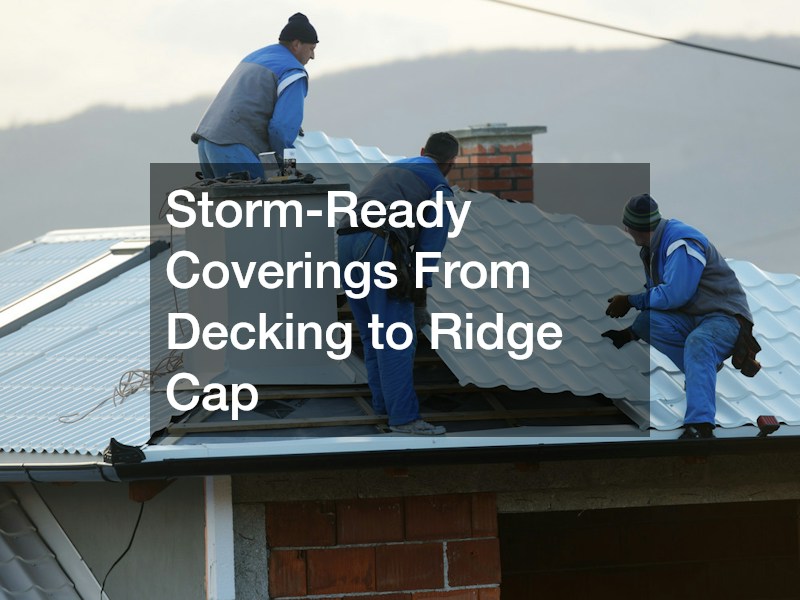
The covering over a house faces constant exposure to sun, wind, rain, hail, and temperature swings. Asphalt shingles lose granules and become brittle, flashing pulls away from walls and masonry, and pipe boots crack after years of UV exposure. Poor attic ventilation traps heat and moisture, shortening shingle life from below, while ice dams in colder regions force water under the edges.
Experienced roof contractors begin with a thorough inspection of shingles, flashing, ventilation, and decking condition. When a full tear-off is needed, they replace damaged sheathing, apply ice and water shield along eaves and valleys, lay synthetic underlayment, and set new drip edge and step flashing. Impact-resistant Class 4 shingles hold up better against hail and may lower insurance premiums, while high-wind nailing patterns resist uplift. Balanced ridge and soffit ventilation keeps the attic cool and dry, and manufacturer-certified crews can offer extended warranties covering both materials and labor.
Modern comfort depends on systems and spaces that work in harmony. Efficient heating and cooling, steady hot supply, safe wiring, and tight glazing keep interiors pleasant, while a sound covering overhead protects everything below. Outdoors, healthy canopies, a refreshed swim area, and a screened gathering room extend living space through more of the year.
Planning these improvements in phases helps manage costs. Safety concerns like hazardous limbs and overloaded panels should come first, followed by the building shell and core systems, and then lifestyle projects that add enjoyment. Utility rebates, manufacturer promotions on efficient equipment, and financing options can make larger upgrades more affordable.
Few investments pay back as visibly as the ones that make a house more comfortable. Lower energy bills show up every month, quieter and more consistent rooms improve sleep and focus, and outdoor spaces become places to gather instead of places to avoid. Over time, those everyday benefits add up to a property that feels as good to live in as it looks from the curb.