Highlights
- Hardscaping projects like patios and walkways offer some of the strongest returns of any outdoor remodeling investment.
- Permeable paving materials can reduce stormwater runoff while still delivering a polished, finished look.
- Hiring a licensed, insured hardscape contractor protects homeowners from common home improvement scams.
- Material choice affects long-term durability, maintenance needs, and overall project cost.
- Well-planned hardscaping increases both curb appeal and usable outdoor living space.
- Combining hardscape and softscape elements creates a more cohesive, functional yard.
What Exactly Counts as Hardscaping?
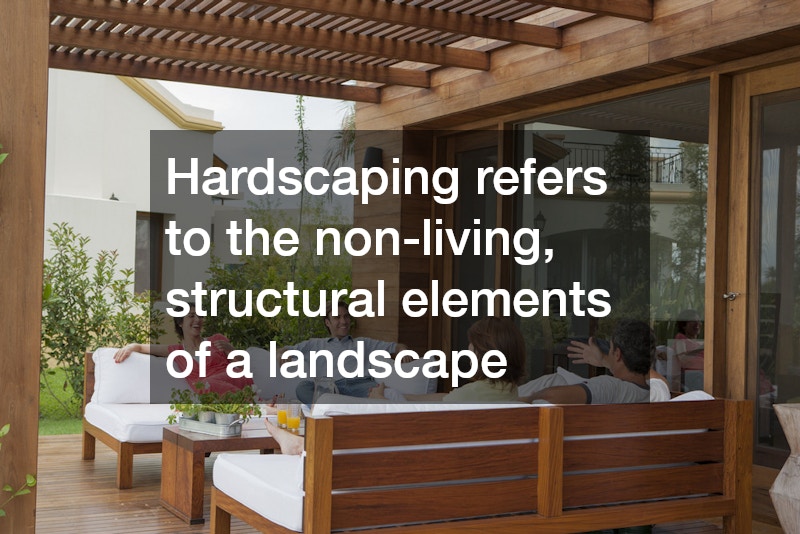
Hardscaping refers to the non-living, structural elements of a landscape: patios, walkways, retaining walls, driveways, and other built features made from materials like stone, concrete, brick, or pavers. It’s the counterpart to softscaping, which covers the living elements like lawns, shrubs, and trees.
Together, hardscape and softscape features create the full structure and function of an outdoor space, but hardscaping tends to require more specialized planning since it involves grading, drainage, and long-term structural considerations. According to the National Association of Realtors’ 2023 Remodeling Impact Report on Outdoor Features, a new patio project was found to recover about 95 percent of its cost at resale, with homeowners reporting some of the highest satisfaction scores among all outdoor projects surveyed. That combination of function and financial return is a big part of why hardscaping has become such a popular home investment.
What Are the Most Common Hardscape Projects?
Homeowners typically start with a handful of core hardscape features before expanding into more elaborate designs:
- Patios — concrete, paver, or natural stone surfaces for outdoor living and entertaining
- Walkways and paths — connect different areas of a property while defining traffic flow
- Retaining walls — manage slopes, prevent erosion, and create usable level space
- Driveways — often one of the largest hardscape investments on a property
- Outdoor kitchens and fire features — increasingly popular additions that extend a home’s living space outdoors
- Steps and edging — smaller details that tie larger hardscape elements together visually
Most homeowners start with one or two of these projects and expand over time as budget and priorities allow.
How Does Material Choice Affect Long-Term Value?
The material selected for a hardscape project has a major impact on both upfront cost and how well the feature holds up over time. Poured concrete tends to be the most budget-friendly option but can crack in freeze-thaw climates without proper reinforcement. Natural stone offers a premium look and excellent durability but comes at a higher price point. Interlocking pavers strike a middle ground, offering strong durability, easier repairs since individual pavers can be replaced, and increasingly, water-permeable options. A qualified hardscape contractor can walk homeowners through these trade-offs based on climate, soil conditions, and how the space will be used, which helps avoid costly material mismatches down the road.
Why Does Permeable Hardscaping Matter for Drainage?
Traditional hardscape surfaces like poured concrete and asphalt are impervious, meaning rainwater runs off rather than soaking into the ground, which can contribute to pooling, erosion, and strain on municipal stormwater systems. According to the EPA’s overview of green infrastructure, permeable pavements made from pervious concrete, porous asphalt, or permeable interlocking pavers allow stormwater to soak into underlying layers of soil and gravel rather than running off the surface. For homeowners dealing with drainage issues or living in areas with stormwater regulations, permeable hardscaping options offer a practical middle ground between a fully paved surface and open lawn. It’s a detail worth raising directly with a contractor during the design phase, since not every material or installation method supports permeable drainage equally well.
What Should Homeowners Ask Before Hiring a Hardscape Contractor?
Hardscaping is a significant investment, and choosing the right contractor matters just as much as choosing the right materials. Before signing any contract, homeowners should ask:
- Are you licensed and insured for this type of work in my state?
- Can you provide references or photos from similar completed projects?
- What is the expected timeline, and what could cause delays?
- Does the estimate include a full breakdown of materials, labor, and permits?
- How do you handle drainage and grading as part of the design?
- What warranty do you offer on materials and workmanship?
Getting these answers in writing before work begins helps prevent disputes later in the project.
How Can Homeowners Avoid Hardscaping Project Scams?
Home improvement fraud remains a common problem, and outdoor projects like hardscaping are not immune. The Federal Trade Commission warns that common warning signs include contractors who pressure homeowners for an immediate decision, demand full payment upfront, or claim to have materials left over from a previous job. Homeowners should verify licensing and insurance directly with their state or local government rather than taking a contractor’s word for it, get multiple written estimates before committing, and avoid contractors who discourage getting required permits. A legitimate hardscape contractor will welcome these questions rather than treat them as an inconvenience, since transparency at the outset tends to predict a smoother project overall.
Is Hardscaping Worth the Investment?
For most homeowners, hardscaping delivers real value on multiple fronts: strong resale returns, expanded usable outdoor space, and, when planned thoughtfully, better long-term drainage management. The key to a successful project lies less in the specific materials chosen and more in the planning that goes into it, from selecting durable materials suited to the local climate to hiring a contractor who understands both the aesthetic and structural sides of the work. Taking time upfront to compare estimates, verify credentials, and ask detailed questions about drainage and materials pays off well beyond the installation date. Done right, a well-designed hardscape becomes one of the most functional and long-lasting improvements a home can have.