
A roof does much more than complete the appearance of a home. It protects the structure from rain, wind, sunlight, snow, and other environmental conditions throughout the year. When the time comes for a roof replacement, homeowners have several materials to consider.
Each roofing material has advantages and potential drawbacks related to price, durability, maintenance, appearance, and installation. Understanding these differences can make it easier to determine which residential roofing option makes sense for your property, climate, and budget.
Asphalt Shingles
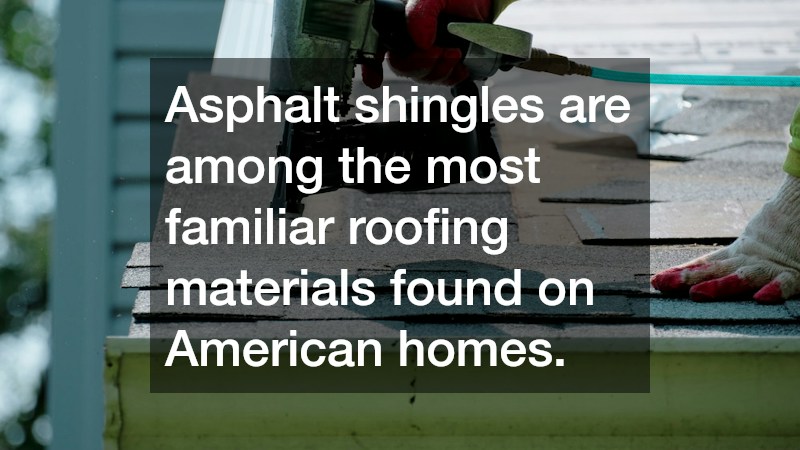
Asphalt shingles are among the most familiar roofing materials found on American homes. Their widespread use can largely be attributed to their affordability, availability, and versatility.
Homeowners can choose from numerous colors and styles, making it relatively easy to find shingles that complement different architectural designs. Asphalt shingles are also generally easier and less expensive to install than many premium materials.
Their lifespan depends on factors such as product quality, installation, weather exposure, attic ventilation, and maintenance. Individual shingles can become cracked, curled, loose, or missing over time.
For homeowners who want a practical balance between initial cost and performance, asphalt shingles remain a popular residential roofing choice.
Metal Roofing
Metal roofing has become increasingly visible on residential properties. While once commonly associated with barns and commercial buildings, modern metal roofing is available in styles designed specifically for homes.
One of the major advantages of metal is durability. Properly installed metal roofs can provide long-term protection and resist many forms of weather-related deterioration. Metal also sheds rain and snow effectively.
Metal roofing typically costs more upfront than asphalt shingles, however. Installation also requires contractors with the appropriate experience.
Some homeowners choose metal because they prefer its distinctive appearance, while others are primarily interested in durability and reduced replacement frequency. The combination can make metal appealing to property owners planning to remain in their homes for many years.
Wood Shakes and Shingles
Wood roofing provides a natural appearance that can complement traditional, rustic, and certain high-end homes.
Wood shingles typically have a more uniform appearance, while wood shakes are thicker and often produce a more textured look. Cedar is one of the materials commonly associated with this roofing style.
Although visually distinctive, wood roofing generally requires more maintenance than asphalt or metal. Moisture, insects, mold, and fire concerns can affect whether wood is appropriate for a particular property or location.
Local building regulations may also affect the use of certain wood roofing products. Anyone considering wood for a residential roofing project should discuss maintenance expectations and local requirements with an experienced professional.
Clay and Concrete Tiles
Tile roofing is recognizable for its distinctive appearance and is especially common on Mediterranean, Spanish, and Southwestern-style homes.
Clay tiles can offer excellent durability and maintain their appearance for many years when properly installed and maintained. Concrete tiles can provide a similar aesthetic and are available in numerous profiles and finishes.
Weight is an important consideration with both materials. Tile roofing is substantially heavier than many alternatives, meaning the home’s structure must be capable of supporting it.
Installation can also be more complicated and expensive. Individual tiles may crack if struck or improperly walked on, so repairs should generally be handled carefully.
For the right home, however, tile can provide a combination of longevity and dramatic visual appeal.
Slate Roofing
Natural slate is a premium roofing material known for its classic appearance and exceptional potential longevity.
Each slate tile is made from natural stone, creating subtle variations in color and texture. Slate can work particularly well with historic properties and upscale architectural designs.
The major disadvantages are cost, weight, and installation complexity. Natural slate is considerably more expensive than asphalt shingles and requires specialized installation techniques.
As with tile, homeowners must also determine whether the existing structure can support the additional weight.
Slate may therefore be less practical for homeowners primarily focused on keeping upfront residential roofing costs low. For properties suited to it, though, slate can provide a highly distinctive and long-lasting roof.
Synthetic Roofing Materials
Synthetic roofing products are designed to reproduce the appearance of materials such as slate, cedar shakes, or traditional tiles while offering different performance characteristics.
Depending on the product, synthetic materials may be lighter than the natural materials they imitate. This can make certain styles accessible to homes that may not be well suited for heavy natural slate or concrete tile.
Quality can vary significantly between manufacturers and products, so homeowners should examine warranties, installation requirements, and expected performance carefully.
An experienced roofing professional can explain which synthetic products are appropriate for the home’s structure and regional weather conditions.
Consider the Climate
The best roofing material is not necessarily the same in every part of the country.
Homes exposed to frequent high winds, heavy rainfall, snow, intense sunlight, or significant temperature fluctuations may benefit from specific materials and installation techniques.
Roof pitch, tree coverage, ventilation, and exposure to moisture can also influence how roofing materials perform.
Before selecting a material, homeowners should consider both appearance and the conditions the roof will experience throughout its service life. A residential roofing contractor familiar with the local climate can provide valuable insight into these considerations.
Think About Maintenance Requirements
Every roof requires some level of care, but maintenance needs vary.
Homeowners should periodically inspect their roofs for missing or damaged materials, flashing problems, debris accumulation, and other signs of deterioration. Gutters should also remain clear so water can drain efficiently.
Some materials are relatively straightforward to repair, while others require specialized knowledge. Finding a contractor who works with your chosen material is therefore another important consideration.
The least expensive roofing option upfront is not always the least expensive over the entire life of the roof.
Choosing the Right Material for Your Home
There is no single roofing material that works best for every homeowner. Asphalt shingles can offer affordability and versatility, metal can provide durability, wood creates a natural appearance, and tile or slate can deliver distinctive aesthetics and potentially exceptional longevity.
Budget, structural requirements, local weather, maintenance expectations, and architectural style should all influence the decision.
Before beginning a residential roofing project, homeowners should compare several materials and speak with qualified professionals about installation requirements and long-term ownership costs. Taking the time to understand the available options can help you choose a roof that protects your home while complementing its appearance for years to come.