
Some plumbing problems can wait until normal business hours. Others can cause serious water damage, sanitation concerns, or property damage if they are not addressed quickly. Knowing the difference can help homeowners react appropriately and avoid letting a manageable problem become a major emergency.
An emergency plumbing service is typically needed when the problem is actively causing damage, creating a health or safety concern, or making essential plumbing fixtures unusable. If you are unsure whether a situation can wait, consider how quickly the problem is getting worse and whether you can safely stop the flow of water.
You Have a Burst Pipe
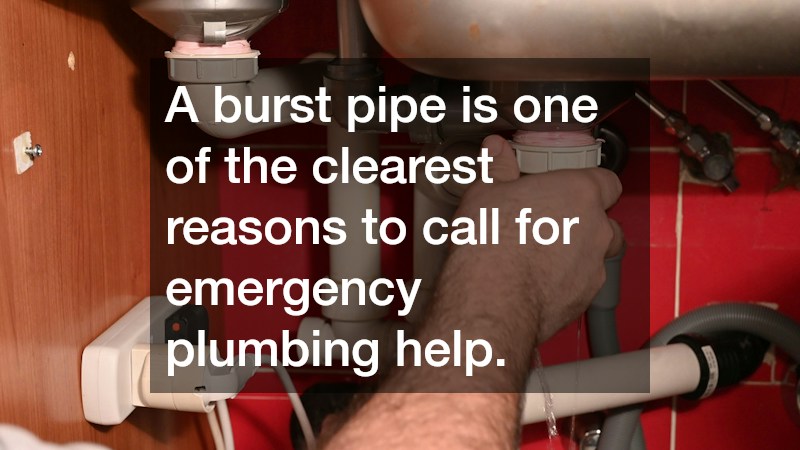
A burst pipe is one of the clearest reasons to call for emergency plumbing help.
When a pipe breaks, water can spread rapidly through walls, ceilings, floors, cabinets, and insulation. The longer the water continues flowing, the more extensive the damage can become.
Homeowners should shut off the main water supply if it is safe to do so, then contact an emergency plumbing service as soon as possible.
Burst pipes can happen for several reasons, including freezing temperatures, corrosion, excessive water pressure, or physical damage. Regardless of the cause, quick action is important.
Water Is Rapidly Spreading Through the Home
Not every severe leak comes from a visibly broken pipe.
A failed appliance connection, damaged supply line, leaking fixture, or other plumbing problem can release a large amount of water in a short period.
If water is spreading across floors or entering walls and ceilings, the situation should be treated seriously. Water can damage building materials, furniture, electrical systems, and personal belongings.
Turn off the water supply to the affected fixture or the entire home if necessary. Then contact a plumbing professional for immediate assistance.
Your Sewer Is Backing Up
A sewer backup is more than an inconvenience.
Wastewater entering sinks, tubs, showers, or floor drains can create unsanitary conditions and may expose occupants to harmful contaminants.
Possible warning signs include multiple drains backing up at once, strong sewage odors, gurgling sounds, or wastewater appearing in lower-level fixtures.
A major sewer backup generally requires an emergency plumbing service because using additional plumbing fixtures may make the problem worse.
Avoid contact with contaminated water and keep children and pets away from affected areas until the issue has been addressed.
Your Only Toilet Is Completely Unusable
A clogged toilet is not always an emergency, especially if the home has multiple functioning bathrooms.
However, the situation becomes more urgent when the home’s only toilet cannot be used or is overflowing repeatedly.
If basic plunging does not resolve the problem, continuing to flush can cause water to spill onto the floor.
An emergency plumber may be needed if the clog is severe, located deeper in the drain system, or related to a larger sewer problem.
You Have No Water
Suddenly losing water throughout the entire home can indicate a serious plumbing or utility issue.
Before calling a plumber, homeowners may want to determine whether neighbors are experiencing the same problem. A widespread outage could be related to work being performed by the local water provider.
If the problem affects only your home, there may be an issue with the main water line, shutoff valve, pressure regulator, or another part of the plumbing system.
An emergency plumbing service can investigate when the cause is unclear and normal water service cannot be restored.
Your Water Heater Is Leaking Heavily
A small amount of condensation around certain equipment may not always indicate an emergency, but a water heater that is actively releasing significant amounts of water requires quick attention.
A failed tank can send water across the surrounding floor and damage nearby walls or belongings.
If possible, shut off the water supply to the heater and follow appropriate procedures for shutting down the energy source. Gas and electric water heaters have different safety considerations, so homeowners should avoid taking steps they are not comfortable performing.
A professional can determine whether the leak can be repaired or whether the water heater needs to be replaced.
You Smell Sewage Inside the Home
Persistent sewer odors can indicate problems with drains, traps, venting, or sewer lines.
In some cases, a dry drain trap may be responsible and can be corrected relatively easily. Strong or widespread odors combined with slow drains, backups, or unusual plumbing noises may indicate a more serious problem.
A plumbing professional can inspect the system and determine where the smell is coming from.
If sewage is physically entering the home, the situation should generally be treated as an emergency because of the potential sanitation risks.
A Major Drain Blockage Is Affecting Multiple Fixtures
One slow sink can usually wait for a scheduled appointment.
Several clogged fixtures at the same time are more concerning. If flushing a toilet causes water to rise in a bathtub or running a sink creates bubbling in another drain, the blockage may be located in a main drain or sewer line.
Continuing to use water can increase the likelihood of a backup.
Calling an emergency plumbing service may help prevent wastewater from overflowing into the home.
Pipes Have Frozen
Frozen pipes can become an emergency because water expands when it freezes.
This expansion can place significant pressure on the pipe and potentially cause it to crack or burst. A frozen section may be suspected when a faucet produces little or no water during extremely cold weather.
Homeowners should avoid using open flames to thaw plumbing.
If the frozen pipe is inaccessible, already leaking, or showing signs of damage, professional assistance is the safer option.
Water Is Near Electrical Equipment
Any plumbing leak near electrical wiring, outlets, appliances, breaker panels, or other energized equipment deserves immediate attention.
Water and electricity can create serious hazards.
Do not enter standing water if electrical equipment may be energized. Depending on the situation, you may need both plumbing and electrical assistance.
Stopping the leak is important, but personal safety should always come first.
You Cannot Stop the Water Flow
A small leak becomes much more serious when there is no practical way to stop it.
Fixture shutoff valves sometimes fail, and homeowners may not know where the main shutoff valve is located. In other situations, a damaged valve or plumbing component may prevent the water from being isolated.
If water continues flowing and property damage is increasing, contact an emergency plumbing service immediately.
Knowing the location of your home’s main water shutoff before a problem happens can make a major difference during this type of situation.
Know When Plumbing Problems Cannot Wait
Not every dripping faucet or slow drain requires emergency assistance, but homeowners should take rapidly worsening plumbing problems seriously.
Burst pipes, major leaks, sewer backups, unusable essential fixtures, heavy water heater leaks, and situations involving electricity or contaminated water can all justify immediate professional help.
When you cannot safely control the water or the problem is actively damaging the property, contacting an emergency plumbing service can help limit the damage and restore the plumbing system as quickly as possible.
Recognizing these warning signs early can help homeowners respond confidently when minutes matter.