Roofing projects can look deceptively simple from the ground. Replacing a few shingles or patching a damaged area may seem like a manageable weekend project, especially for homeowners who are comfortable with other types of home improvement work.
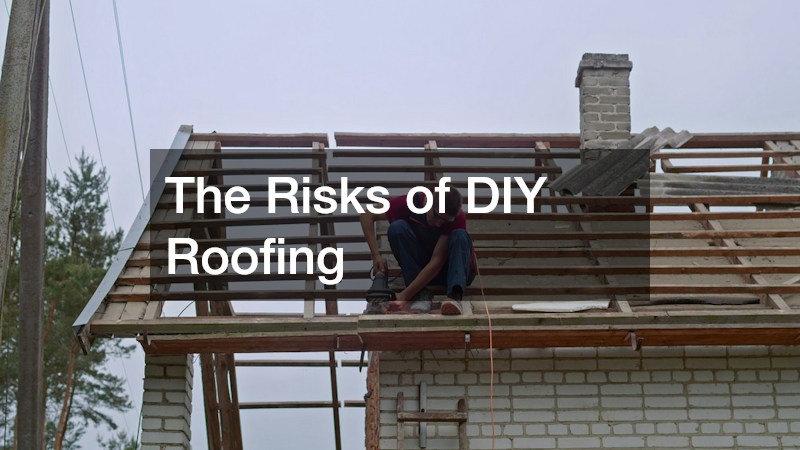
However, roofing comes with risks that go far beyond ordinary DIY repairs. Falls, improper flashing, hidden water damage, incorrect fastening, and mistakes with ventilation can all turn a small project into a much more expensive problem. In many cases, hiring a professional for roof repair is the safer and more reliable option.
Falls Are a Major Safety Risk
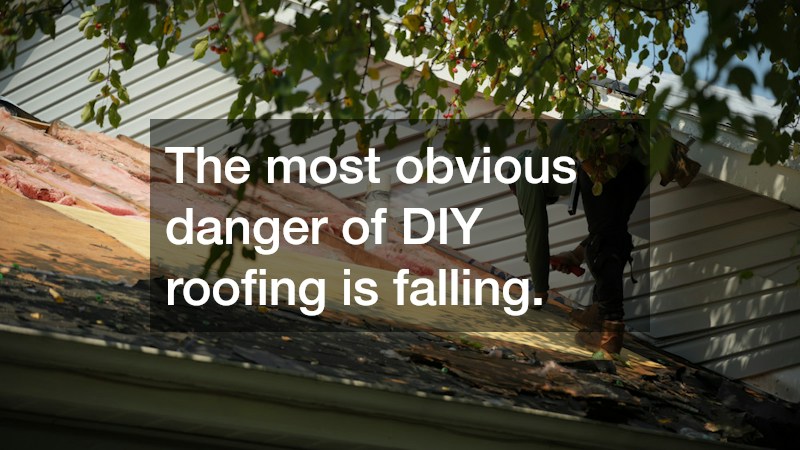
The most obvious danger of DIY roofing is falling.
Roofs can be steep, slippery, uneven, and difficult to navigate. Morning dew, rain, loose granules, and strong wind can make footing even less secure.
Homeowners may also underestimate how challenging it is to carry tools, shingles, ladders, and other materials while working several feet above the ground.
Professional roofers typically use harnesses, anchors, ladders, scaffolding, and other safety equipment. They are also accustomed to moving across roof surfaces in ways that reduce risk.
For someone without roofing experience, even a minor roof repair can create a serious safety hazard.
It Can Be Difficult to Find the Real Source of a Leak
A water stain inside the home does not always appear directly beneath the place where water entered.
Rainwater can travel along decking, rafters, insulation, or other building materials before becoming visible on a ceiling or wall.
This makes leak diagnosis more complicated than simply patching the area above the stain.
A homeowner may repair the wrong section and assume the problem is solved, only to discover additional water damage later.
Professional roofers know how to inspect flashing, valleys, vents, chimneys, shingles, and other common leak points to determine where water is actually entering.
Improper Flashing Can Cause Future Leaks
Flashing is installed around roof penetrations and transitions to help direct water away from vulnerable areas.
Chimneys, walls, vents, skylights, and valleys often require flashing.
This material has to be installed in the correct position and overlapped properly with other roofing components.
A DIY roof repair that relies heavily on roofing cement or sealant may temporarily cover a problem without addressing failed flashing underneath.
Over time, water can still find its way into the roofing system.
Because flashing problems are one of the more common causes of leaks, correct installation is especially important.
Shingles Can Be Installed Incorrectly
Replacing asphalt shingles involves more than matching the color and driving in a few nails.
Shingles need to be aligned correctly and overlapped so water flows over them rather than underneath.
Fastener placement also matters. Nails installed too high, too low, at an angle, or too deeply can reduce how well the shingles remain attached.
Improper installation may not create an immediate leak, which can make mistakes difficult to notice.
Problems sometimes become obvious only after high winds, heavy rain, or months of exposure.
Walking on the Roof Can Cause Damage
Roof surfaces are designed to handle weather, but they are not immune to damage from foot traffic.
Older asphalt shingles can become brittle, especially during cold weather. Walking on them may crack or loosen the material.
Hot weather can create a different issue. Shingles can soften, making them more vulnerable to scuffing or granule loss.
Tile and slate roofing can be even more sensitive to improper foot placement.
A homeowner attempting roof repair could unintentionally damage sections that were previously in good condition.
Hidden Decking Problems May Be Missed
The visible roofing material is only one part of the system.
Underneath the shingles are underlayment and roof decking. If water has been entering the roof for some time, the deck may contain rot, soft spots, or other deterioration.
Covering damaged decking with new shingles does not solve the structural problem.
Professionals can identify signs that the materials underneath may need attention.
In some cases, damaged sections need to be removed so the condition of the decking can be evaluated directly.
Ventilation Problems Can Be Overlooked
Attic ventilation plays an important role in roof performance.
Proper ventilation can help manage heat and moisture beneath the roof. Poor airflow may contribute to condensation, mold, wood deterioration, or excessive attic temperatures.
A homeowner focused only on replacing shingles may overlook blocked or damaged vents.
Professional contractors performing roof repair can consider whether ventilation is contributing to the problem or whether existing components should be replaced during the project.
Incorrect Materials Can Create Problems
Not every roofing product is compatible with every roof.
Shingles, underlayment, flashing, fasteners, sealants, and ventilation components are often designed for specific applications.
Using the wrong sealant, nail, or replacement material can reduce the effectiveness of a repair.
Homeowners may also struggle to identify the exact product used on an older roof.
A professional roofer is more likely to understand which materials are appropriate for the specific roofing system.
DIY Work May Affect Warranty Coverage
Roofing materials sometimes come with manufacturer warranties, and contractors may provide separate workmanship warranties.
Some coverage depends on the materials being installed according to specific requirements.
A DIY repair completed incorrectly could potentially complicate future warranty claims.
Before performing work yourself, review any existing roofing warranties carefully.
If the roof is still relatively new, contacting the installer or manufacturer may be a better first step than beginning the repair independently.
Small Mistakes Can Become Expensive
One of the biggest risks of DIY roofing is that errors may not become obvious immediately.
A slightly misplaced piece of flashing or improperly sealed penetration may allow only a small amount of water to enter at first.
Over time, that moisture can damage insulation, drywall, framing, or decking.
A repair intended to save money can eventually result in a much larger expense.
Professional roof repair may cost more upfront, but correct diagnosis and installation can reduce the risk of repeated problems.
Weather Can Change Quickly
Roof repairs often require portions of the roofing system to be lifted, removed, or exposed.
If rain arrives unexpectedly, unfinished areas may allow water into the home.
Professional roofing crews typically monitor weather conditions and have materials available to protect exposed areas if conditions change.
A homeowner working slowly may have a more difficult time finishing the project before bad weather arrives.
This becomes particularly important when the repair is larger than originally expected.
Cleanup Can Be More Difficult Than Expected
Roofing work produces more debris than many homeowners anticipate.
Old shingles, nails, flashing, sealant, packaging, and damaged materials all need to be removed safely.
Loose roofing nails can create hazards around driveways, lawns, and walkways.
Professional contractors often use tarps and magnetic tools to collect debris and fasteners.
A DIY project requires homeowners to handle both the repair and the cleanup while also protecting landscaping, vehicles, and other parts of the property.
Insurance Considerations May Apply
Homeowners should also consider insurance implications before attempting major repairs.
If improper DIY work contributes to future damage, insurance coverage could become more complicated depending on the policy and circumstances.
Storm-damage claims may also require documentation.
Professional roofers can often provide inspection reports, photographs, estimates, and invoices that help document the condition of the roof and work completed.
Homeowners should review their policy or contact their insurer if they are unsure how repairs may affect a claim.
Minor Maintenance Is Different From Major Repairs
There are some roofing-related tasks homeowners may be comfortable handling safely from the ground or another secure location.
Keeping gutters clear, visually monitoring the roof, and removing accessible debris may be reasonable maintenance tasks for some people.
However, work involving shingles, flashing, decking, steep slopes, or significant roof access deserves more caution.
The greater the repair, the greater the potential consequences of a mistake.
Professional Roof Repair Can Reduce Unnecessary Risk
Roofing combines height, weather exposure, structural components, and waterproofing requirements in one project.
A successful repair needs to address the actual source of damage rather than simply covering the visible symptom.
Professional roof repair can provide experienced diagnosis, appropriate materials, safer work practices, and a better understanding of how each roofing component interacts with the others.
For most homeowners, those advantages outweigh the short-term savings of doing the work alone.
Think Carefully Before Climbing Onto the Roof
DIY projects can be satisfying, but roofing should be approached differently from many other home improvements.
The risks include personal injury, hidden leaks, improper installation, damaged materials, and costly long-term repairs.
Before attempting roof repair yourself, consider the roof’s height, slope, material, age, and the complexity of the problem.