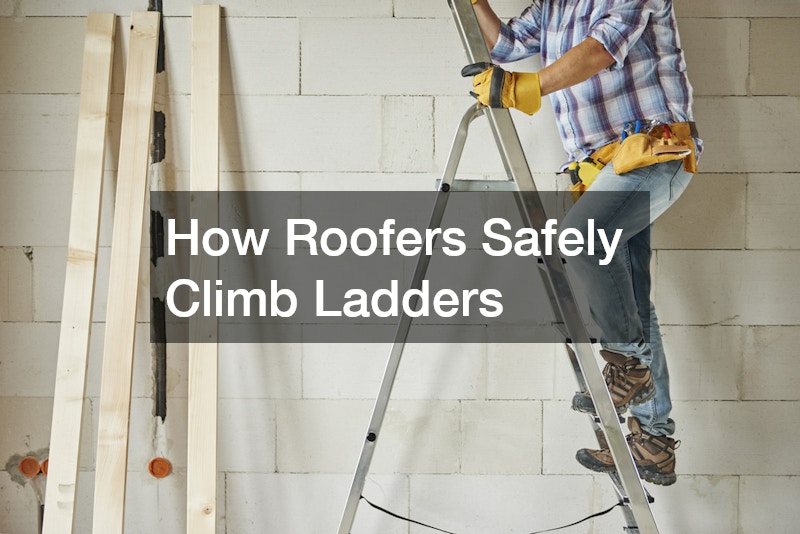

Climbing a ladder may seem like a simple task, but when it comes to roofing, it becomes an essential safety procedure that requires precision, proper technique, and the right equipment. Roofers climb ladders daily, often while carrying tools, navigating uneven ground, and working in unpredictable weather conditions. Because ladder-related accidents are among the most common causes of roofing injuries, professionals take ladder safety extremely seriously. Understanding how roofers safely climb and use ladders not only highlights the high level of expertise involved in roofing work but also reinforces why hiring trained professionals for roof repair services is so important.
Below is a detailed look at how roofers safely climb ladders and protect themselves while working at heights.
Choosing the Right Ladder for the Job
Before climbing any ladder, roofers carefully select the correct ladder type based on height, roof slope, and job requirements. Common ladder options include:
-
Extension ladders for reaching roof edges
-
Step ladders for lower work areas
-
Roof ladders designed to hook over roof peaks
The ladder must be tall enough to extend at least three feet above the roof edge. This provides a secure handhold as the roofer transitions from the ladder onto the roof.
Professional roof repair services always prioritize choosing the right ladder to maintain stability and reduce fall risks.
Inspecting the Ladder Before Use
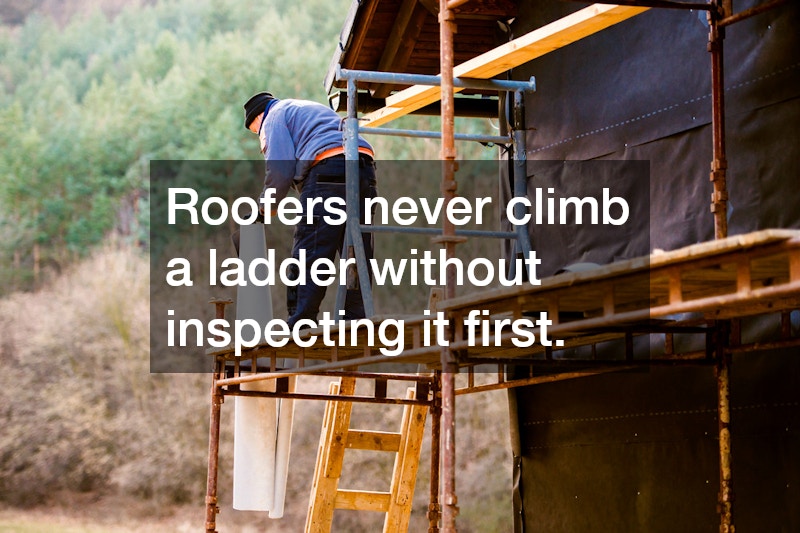
Roofers never climb a ladder without inspecting it first. A thorough inspection ensures:
-
Rungs are not cracked or loose
-
Side rails are not bent
-
Feet have non-slip surfaces
-
Locks and extension mechanisms function properly
Any damage can compromise safety. Roofers also check that ladders are clean and dry—wet, muddy, or oily ladders increase the risk of slipping.
Setting the Ladder at the Correct Angle
Proper ladder angle is critical for stability. Roofers follow the 4-to-1 rule, meaning for every four feet of ladder height, the base should be one foot away from the wall or structure.
Setting the correct angle ensures:
-
The ladder won’t tip backward
-
The ladder won’t slide out from the bottom
-
Weight is evenly distributed
Professionals providing roof repair services are trained in this technique and double-check the ladder angle before climbing.
Ensuring a Stable Foundation
Roofers know that even a perfectly angled ladder is unsafe if it rests on an unstable base. They always place ladders on solid, level ground. If the area is soft, uneven, or slippery:
-
Ladder mats or stabilizers may be used
-
Boards may be placed under the ladder for firmness
-
The ground may be cleared or leveled manually
When working near dirt, gravel, or grass, roofers take extra precautions to avoid sinking or shifting during the climb.
Securing the Ladder for Extra Stability
In some cases, roofers tie off or secure ladders to prevent movement. This is especially important when:
-
Working in windy conditions
-
Using tall extension ladders
-
Climbing with heavy tools
-
Working on steep roof pitches
Securing the ladder provides added protection and reduces the risk of tipping. Reliable roof repair services use stabilizers or anchor systems to ensure maximum safety.
Maintaining Three Points of Contact
Roofers follow a fundamental climbing rule: always maintain three points of contact. This means:
-
Two hands and one foot, or
-
Two feet and one hand
This ensures the climber always has a stable grip and balance while ascending or descending. Roofers avoid carrying heavy equipment in their hands; instead, they use tool belts or ropes to lift materials after safely reaching the roof.
Climbing Slowly and Deliberately
Rushing on a ladder is one of the biggest safety mistakes. Roofers climb slowly, avoiding sudden movements that could cause the ladder to wobble. They:
-
Face the ladder at all times
-
Keep their body centered between the rails
-
Avoid leaning too far left or right
-
Make steady, controlled movements
Professional roof repair services emphasize that safe climbing is deliberate and methodical—not rushed.
Using Proper Footwear
Roofers wear slip-resistant, supportive footwear designed for climbing and roof work. Their shoes often have:
-
Soft rubber soles
-
High ankle support
-
Deep tread patterns
Proper footwear reduces the risk of slipping and ensures secure footing on ladders and roofs.
Transitioning Safely From Ladder to Roof
Moving from the ladder onto the roof is one of the most dangerous moments in roofing work. Roofers handle this transition carefully:
-
They ensure the ladder extends far enough above the roof edge
-
They keep a firm grip on the ladder
-
They step sideways—not directly backward—to avoid losing balance
-
They test the roof surface before fully shifting weight
Experienced roofers make this transition look easy, but it requires training and awareness to perform safely.
Avoiding Overreaching and Leaning
Overreaching on a ladder is one of the most common causes of falls. Roofers avoid leaning too far to one side, which can cause the ladder to tilt or slip. Instead, they:
-
Move the ladder as needed
-
Use climbing belts to stay centered
-
Adjust their position frequently
Professionals performing roof repair services know that moving the ladder several times is far safer than attempting to reach an area that’s too far away.
Working With a Team for Added Safety
While some roofing tasks can be done individually, many ladder-related tasks require teamwork. A second person—called a “spotter”—may hold the ladder base, ensure stability, or assist with tool handling.
Roofing teams communicate clearly, especially when adjusting ladder positions or climbing with sensitive equipment. This teamwork significantly reduces accident risks.
Using Ladder Accessories for Enhanced Safety
Modern roofing work often involves safety accessories such as:
-
Ladder levelers
-
Stabilizer bars
-
Ridge hooks
-
Anti-slip mats
-
Fall protection harnesses
These tools add layers of protection and stability, ensuring safe climbing even in challenging conditions.
Ladder safety is a foundational skill for roofers, and it’s one of the reasons homeowners are encouraged to avoid climbing onto their roofs without proper training. Professional roofers use specialized equipment, follow strict safety procedures, and understand how to navigate heights confidently and securely. When you rely on trained experts for roof repair services, you’re not just ensuring quality workmanship—you’re also ensuring that every aspect of the job, from ladder setup to final inspection, is handled safely and professionally.