


Purchasing a property that requires significant renovation is a classic path toward homeownership. It allows buyers to enter desirable neighborhoods at a lower price point while giving them full creative control over the final design. It represents a blank canvas where people can bring their long-term architectural visions to life. However, the initial excitement of holding the keys can quickly give way to overwhelming stress if a clear strategy is not in place. A fixer-upper is not merely a collection of cosmetic projects like painting walls or pulling up old carpets. It is a complex physical structure with interconnected mechanical, electrical, and structural systems that require careful evaluation. Without an organized framework, homeowners often waste thousands of dollars fixing cosmetic issues while major underlying structural failures go unnoticed.
Before picking up a sledgehammer or visiting a showroom, the very first step is establishing a logical order of operations. Many people assume they can simply jump into the fun parts of design right away. They start picking out paint swatches before checking if the basement floods during heavy rain. Experienced investors know that a successful property transition always moves from the outside in to stabilize core systems. While some buyers choose to build from scratch with the help of custom home builders, those who purchase existing structures must navigate the quirks of older construction. Developing a comprehensive onboarding guide ensures that every dollar spent increases the property’s equity and longevity. Having a clear fiscal plan alongside this checklist prevents unexpected financial strain. This structured approach helps homeowners avoid common renovation traps and keeps the project moving forward efficiently.
Establishing a Weatherproof Barrier from Above

The roof is the most critical protective element of any residential structure. A single undetected leak can quietly destroy insulation, ruin drywall, rot structural ceiling joists, and foster hazardous mold growth behind the walls. During the initial walk-through of a newly acquired fixer-upper, checking the age and condition of the roof shingles is an absolute necessity. Homeowners must look for clear signs of wear, such as curling shingle edges, missing granules in the gutters, or dark water stains on the attic rafters. If the roof is approaching the end of its natural lifespan, ignoring it to focus on interior cosmetics is a recipe for financial disaster.
To protect the entire investment, contacting a professional roofing company should happen during the very first phase of ownership. A certified team can perform a comprehensive safety inspection to determine whether a simple patch job will suffice or if a complete tear-off is necessary. Repairing or replacing the roof ensures that all subsequent interior investments remain safe from water damage. Once the roof is verified as water-tight, the focus can shift to other openings in the exterior shell. Old, single-pane windows are notorious for draftiness, condensation, and poor security. Scheduling a complete window replacement is the next logical step to secure the building envelope. Modern multi-pane windows block external noise, prevent moisture infiltration, and dramatically enhance the home’s exterior aesthetic. They provide an immediate return on investment by altering the visual character of the neighborhood. This makes the entire property look instantly modernized and cared for.
Securing Entryways and Managing Energy Loss
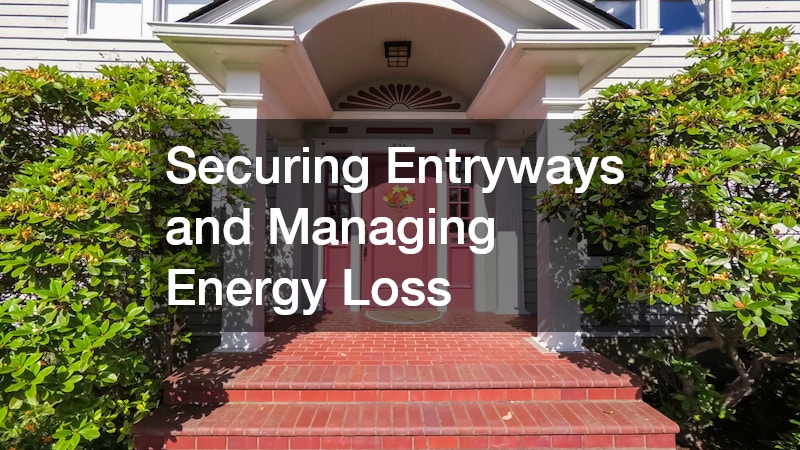
After addressing the roof and windows, the next critical area of the home’s exterior shell involves the entryways. Front doors, side exits, and patio sliders are high-traffic components that experience significant wear and tear over the years. In older properties, these doors are frequently warped, misaligned, or equipped with outdated locking mechanisms that compromise both thermal efficiency and personal security. Over time, heavy use causes continuous settling that prevents frames from latching tightly. A drafty front door can allow immense amounts of cold or hot air to bypass the home’s insulation, forcing heating and cooling systems to run constantly.
Upgrading these components by installing energy efficient doors is a highly effective way to stabilize the indoor climate and lower utility expenses. Modern exterior doors are engineered with advanced insulating cores, durable weatherstripping, and tight thermal breaks that block outdoor temperature extremes. These units often feature multi-point locking mechanisms that significantly reinforce physical home defense. Beyond the clear financial benefits of lower energy bills, a new front entryway provides a substantial boost to the property’s curb appeal. It serves as a visual focal point for the entire front facade, signaling a high level of craftsmanship and care. When selecting replacement doors, homeowners should look for models that complement the architectural era of the house while offering modern durability against harsh weather conditions. Properly installed doors close securely, eliminate annoying drafts, and provide a robust barrier against potential intruders. This step effectively completes the fortification of the home’s exterior shell, creating a stable and controlled environment for the interior phases of the renovation roadmap.
Restoring Reliable Mechanical and Climate Controls
With the exterior envelope fully sealed against the elements, the renovation strategy can safely move inside to address mechanical infrastructure. The internal climate of a home directly impacts daily comfort, health, and structural preservation. An old, neglected heating and cooling system can circulate dust, breed allergens, and fail unexpectedly during peak seasonal temperatures. Stale, unconditioned indoor air can quickly make a beautiful house feel completely unlivable. Before testing plumbing lines or starting electrical rewiring, the existing climate units must undergo a comprehensive evaluation to determine their remaining operational lifespan.
Homeowners frequently discover that older properties contain units that have been completely neglected for years. Scheduling a professional HVAC repair technician to service the equipment is an indispensable part of the onboarding sequence. A certified specialist can clean clogged condenser coils, test electrical connections, check refrigerant levels, and calibrate old thermostats. If the system is salvageable, a thorough tune-up can restore its efficiency and prevent sudden breakdowns during the heat of summer or the depths of winter. If the equipment is beyond saving, the technician can help calculate the correct heating and cooling loads required for the modernized layout. This calculation prevents buyers from purchasing oversized units that waste fuel. Clean air filters and properly balanced ductwork ensure that fresh, conditioned air circulates evenly throughout every room. Taking the time to stabilize the mechanical infrastructure prevents future emergencies that could force homeowners to cut through newly installed drywall or disrupt finished living spaces. This mechanical security forms the foundation upon which all future comfort is built.
Crafting a Functional and Elegant Kitchen Space
Once the structural shell is tight and the mechanical systems are reliable, the renovation can finally transition into the creative interior design phases. The kitchen is universally recognized as the heart of the modern home, acting as a central hub for cooking, family gatherings, and social entertaining. It is also the room that yields the highest return on investment when executed correctly. In most fixer-uppers, kitchens are hopelessly outdated, featuring cramped layouts, peeling laminate surfaces, and insufficient storage space that frustrates modern families.
To maximize both utility and visual appeal, collaborating with a professional cabinet designer is an incredibly smart choice during the planning stages. A skilled designer looks beyond simple aesthetics to evaluate workflow ergonomics, ensuring that the stove, refrigerator, and sink are positioned for optimal efficiency. Custom or semi-custom cabinetry allows homeowners to maximize every inch of available wall space, integrating clever storage solutions like pull-out pantries, deep appliance drawers, and hidden recycling centers. After finalizing the structural layout of the storage units, selecting the right surfaces to cap off the lower cabinets is the next essential design decision. Installing high-quality countertops made from durable materials like quartz, granite, or soapstone instantly elevates the entire room. These solid surfaces provide a sanitary, heat-resistant work area that withstands daily food preparation while serving as a beautiful design anchor. Choosing a complementary backsplash pattern further ties the vertical and horizontal planes together perfectly. A thoughtful combination of smart storage and premium surfaces completely transforms a dated kitchen into a highly functional culinary masterpiece.
Revitalizing Private Bathrooms and Living Layouts

Directly following the kitchen transformation, the master bathroom and guest washrooms require immediate structural and aesthetic updates. Bathrooms are high-moisture environments that are incredibly prone to hidden water damage, outdated plumbing fixtures, and failing tile grout. A dated bathroom with cracked seals can quietly leak water into the floor sub-structure, causing extensive wood rot that is incredibly expensive to remediate. To avoid these hidden structural disasters, a complete strip-down of the wet zones is often necessary.
Engaging a certified bathroom remodeling contractor ensures that all plumbing lines, waterproofing membranes, and structural floor joists are thoroughly inspected and brought up to modern building codes. Professional contractors use advanced waterproofing systems behind shower tiles to guarantee that moisture can never penetrate into the wall cavities. They also ensure that high-volume exhaust fans are properly vented entirely outside the building container. They can also assist in reconfiguring the layout to replace old, cramped tub units with spacious walk-in showers and double vanities. For homeowners looking to make broader structural changes throughout the rest of the house, partnering with a general home remodeler is the best way to maintain consistency. A general coordinator can manage the removal of non-load-bearing walls to create open-concept living spaces, install uniform flooring across different rooms, and ensure that the transitions between the bathrooms, bedrooms, and common areas look fluid and professional. This comprehensive interior approach ensures that the entire living space feels cohesive, modern, and perfectly tailored to the family’s unique lifestyle needs.
Reclaiming Backyard Comfort and Long-Term Value

While the interior spaces often receive the majority of a renovation budget, the outdoor living areas should never be treated as an afterthought. A beautiful home loses its appeal if the surrounding property is unusable, overgrown, or hazardous to health. Fixer-uppers frequently come with neglected yards characterized by poor drainage, dead trees, broken fences, and dense brush that retains stagnant water. These conditions create the perfect breeding ground for pests that can quickly ruin outdoor gatherings and migrate into the home. Neglecting the exterior landscape can also lead to hidden foundation issues if water pools close to the walls.
To reclaim the yard and create a safe environment for children and pets, implementing a comprehensive mosquito control strategy is a necessary step during the final phases of onboarding. Professional property treatments eliminate active pests and target hidden breeding sites in low-lying areas, clogged gutters, and dense vegetation. Disrupting this biological cycle allows families to fully utilize their outdoor decks and patios safely. Clearing out thick brush and correcting grading issues around the foundation helps surface water drain away quickly, preventing future pest infestations naturally. Once the pest problem is under control, homeowners can safely focus on landscaping enhancements like building a new outdoor deck, installing a stone fire pit, or planting a vibrant garden. A well-maintained yard extends the usable living space of the property, offering a peaceful outdoor retreat for relaxation and entertainment. Taking care of the surrounding grounds protects the home’s exterior envelope and ensures that the entire property feels welcoming and complete.
Embracing the Completed Transformation
Completing a whole-home renovation roadmap requires patience, careful financial planning, and a dedicated team of experienced professionals. Navigating a fixer-upper from a state of neglect to a polished, modern residence is a significant achievement that builds immense personal pride and long-term financial equity. By following a structured, outside-in framework, homeowners protect their investments from unexpected setbacks and ensure that every upgrade contributes to a safe, comfortable, and beautiful living environment. The transition from a chaotic construction site to a warm, welcoming home is a rewarding process that changes how a family lives every single day.
Ultimately, the success of a property transformation relies on the order in which projects are executed. Securing the roof, sealing the doors and windows, stabilizing the internal climate mechanics, and carefully designing the kitchens and bathrooms ensures that no effort or money is wasted. Each phase builds upon the previous one, creating a solid, reliable structure that will stand the test of time for decades to come. When the dust finally settles, the tools are packed away, and the yard is clear, homeowners can step back and admire a property that is truly theirs in every sense. The challenges of the renovation process fade into memory, replaced by the daily enjoyment of a custom-tailored home built on a foundation of structural integrity and thoughtful design.