

Gutters may not be the most noticeable feature of your home, but they play an important role in protecting it from water damage. By collecting rainwater from your roof and directing it away from your home, gutters help protect your siding, foundation, landscaping, and other exterior surfaces.
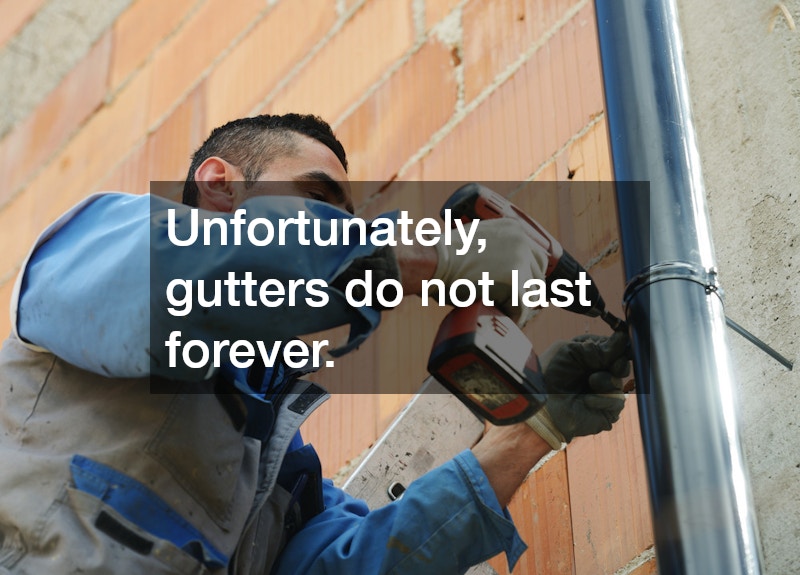
Unfortunately, gutters do not last forever. Age, storms, debris buildup, improper installation, and ordinary wear can all eventually affect their performance. When gutters stop working properly, water can begin accumulating in places where it should not.
Knowing the signs that your gutters need to be replaced can help you address problems before they lead to more significant damage. If you are noticing any of the following issues, it may be time to contact a professional gutter company and discuss replacement options.
Your Gutters Are Cracked or Damaged
Small cracks in gutters may seem harmless, but they can become bigger problems over time. Water can escape through cracks instead of flowing toward the downspouts, potentially damaging siding, fascia boards, landscaping, or areas around the foundation.
A few isolated cracks may sometimes be repairable. However, if cracks appear throughout the gutter system or sections are visibly splitting apart, replacement may be the more practical long-term solution.
The Gutters Are Sagging or Pulling Away
Gutters should remain securely attached to the roofline. If sections are sagging, leaning, or pulling away from the house, they may no longer be able to properly direct water.
Sagging can happen when gutters repeatedly become overloaded with water, leaves, or other debris. It may also indicate damaged fasteners or deterioration around the fascia.
In some situations, the mounting hardware can simply be repaired. If the gutter system itself has become warped or damaged, however, new gutters may be necessary.
Water Overflows During Rain
One of the easiest ways to evaluate your gutters is to watch what happens during a rainstorm. Water should enter the gutters and travel through the downspouts without consistently spilling over the sides.
Overflowing gutters can sometimes be caused by leaves, sticks, or other blockages. Cleaning the system may solve the problem. If the gutters are clean and water still regularly overflows, they could be improperly pitched, damaged, or too small to manage the amount of runoff coming from the roof.
A gutter company can inspect the system and determine whether adjustments, repairs, or replacement would provide the best solution.
You See Rust or Corrosion
Metal gutters can eventually develop rust, especially if their protective coating has worn away. A small amount of surface corrosion does not necessarily mean the entire system needs replacement, but widespread rust can weaken the gutters and eventually create holes.
Pay particular attention to seams, corners, and areas around fasteners. These locations can be especially vulnerable to deterioration.
If corrosion has spread across multiple sections, replacing the aging gutter system may be more cost-effective than continuing to make individual repairs.
Water Is Collecting Around Your Foundation
Your gutters and downspouts should move water away from the base of your home. If you regularly notice puddles or unusually wet soil around the foundation after rain, the drainage system may not be working correctly.
Foundation drainage problems can have several causes, including clogged or damaged downspouts, poor grading, or inadequate gutter placement. Because water around the foundation can eventually contribute to expensive problems, persistent pooling should not be ignored.
Have a professional determine where the water is coming from and whether gutter replacement or another drainage improvement is needed.
You Notice Water Stains on the Exterior
Stains underneath the gutters or along exterior walls can indicate that water is escaping from the system. You may notice discoloration on siding, fascia, soffits, brick, or other materials.
These marks can develop when gutters leak, overflow, or pull away from the roofline. In addition to affecting your home’s appearance, ongoing moisture can contribute to deterioration of exterior building materials.
Finding the cause early may help prevent a relatively simple gutter problem from becoming a larger repair.
Your Gutters Require Frequent Repairs
Occasional gutter maintenance is normal. Constant repairs are another matter.
If you repeatedly have to reseal seams, replace fasteners, repair leaks, or reposition gutter sections, the system may simply be reaching the end of its useful life. At some point, continuing to repair an aging system becomes less practical than replacing it.
New gutters can eliminate multiple existing problem areas at once while giving you an opportunity to improve the overall drainage setup around your home.
Your Gutters Are Getting Older
Even a gutter system that looks relatively good from the ground can deteriorate with age. Lifespan varies depending on the gutter material, installation quality, climate, maintenance, and exposure to severe weather.
If you are unsure how old your gutters are, look for warning signs rather than relying on age alone. Leaks, loose sections, corrosion, repeated repairs, and drainage problems can all indicate that the system is beginning to fail.
A professional inspection can help you determine how much useful life your current gutters may have left.
Should You Repair or Replace Your Gutters?
Not every gutter problem requires a complete replacement. A clogged downspout, loose fastener, or small leak may be fairly simple to correct. Replacement becomes more likely when problems affect multiple sections of the system or when the gutters are significantly deteriorated.
A professional gutter company can evaluate the condition of the gutters, downspouts, seams, fasteners, and drainage areas around your home. From there, you can determine whether targeted repairs are sufficient or a new system would offer better long-term value.
Protect Your Home With Properly Working Gutters
Ignoring damaged gutters can allow relatively minor drainage issues to become much larger problems. If your gutters are sagging, leaking, rusting, overflowing, or no longer directing water away from your home, it may be time to have them inspected.
Working with an experienced gutter company can help you identify the source of the problem and choose the right solution for your property. Whether your gutters need a simple repair or complete replacement, addressing the issue now can help keep rainwater under control and protect your home for years to come.