
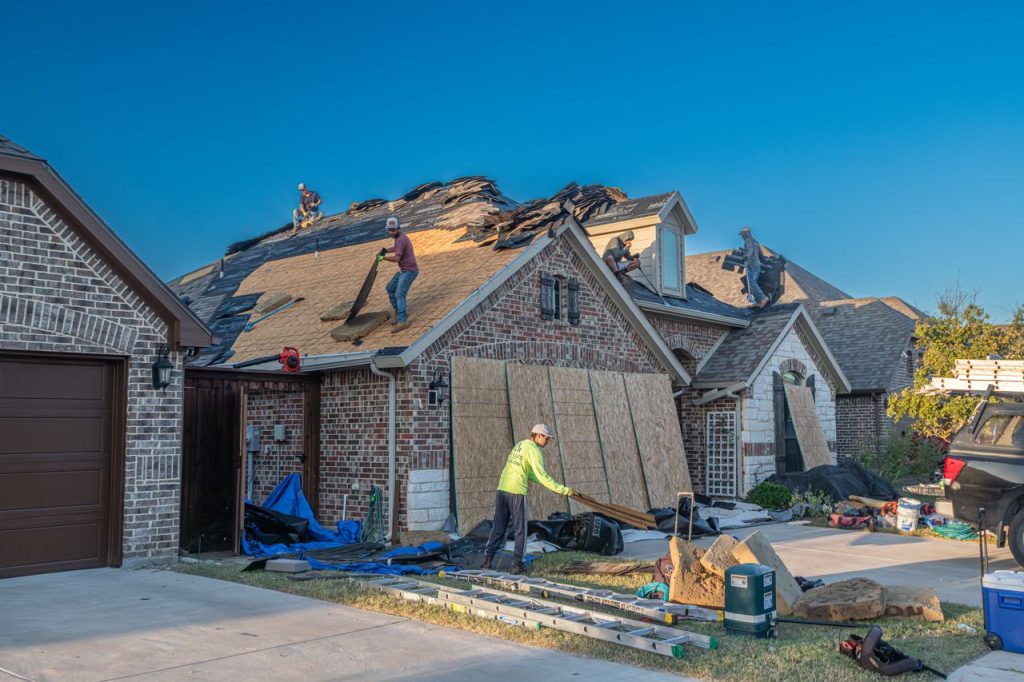
A home is one of the most important investments a person makes, but keeping it in good condition requires ongoing attention. From everyday wear and tear to unexpected plumbing leaks, electrical faults, and weather-related damage, various issues can affect a property’s safety, comfort, and functionality. Some problems develop gradually and remain unnoticed until visible warning signs appear, while others require immediate attention to prevent further damage.
Understanding why home repairs become necessary helps homeowners recognise potential problems, plan maintenance budgets, and make informed decisions about their properties. Addressing minor concerns early can often prevent more extensive repairs and protect the home’s long-term value. Whether maintaining an older property or caring for a recently purchased house, knowing what to look for makes it easier to prioritise repairs and maintain a comfortable living environment.
1. How Does Normal Wear and Tear Lead to Home Repairs?
Every home experiences gradual deterioration as its materials, fixtures, and systems are used over time. Daily activities place repeated demands on flooring, doors, windows, plumbing fixtures, appliances, and other components. Even when a house receives regular care, materials eventually lose some of their original strength, appearance, or functionality. These changes are a natural part of homeownership, but recognising them early helps prevent minor maintenance concerns from developing into more complicated problems.
Wear and tear can affect both the visible and hidden parts of a property. A worn carpet may be easy to identify, whereas deteriorating pipe connections or damaged seals around windows may remain unnoticed until they cause other problems. Regular inspections help homeowners understand the condition of their property and determine which issues require attention.
Common Signs of Deterioration
Several everyday problems can indicate that household components are approaching the end of their useful life.
- Peeling or cracking paint: Paint can deteriorate because of age, sunlight, temperature fluctuations, or moisture exposure. Repainting may improve appearance, but the underlying cause should be investigated when deterioration occurs repeatedly.
- Loose door handles and hinges: Frequent use can loosen screws, damage fittings, or cause doors to become misaligned. Repairing these issues early helps maintain proper operation.
- Damaged flooring: Scratches, lifted boards, cracked tiles, and worn carpets can affect appearance and sometimes create tripping hazards. The appropriate repair depends on the flooring material and extent of damage.
- Deteriorating sealants: Sealants around sinks, showers, windows, and exterior joints can crack or separate over time. Replacing damaged sealant can help prevent water intrusion when the surrounding surfaces are otherwise sound.
- Ageing fixtures: Faucets, cabinet hardware, light fittings, and other frequently used components may become loose, inefficient, or unreliable as they age.
Why Should Minor Problems Be Addressed Early?
A small defect may seem unimportant when it first appears, particularly if it does not interfere with everyday activities. However, some minor issues can create conditions that accelerate deterioration elsewhere in the home. For example, a loose bathroom fitting may eventually damage the surrounding surface, while a small gap in an exterior seal may allow moisture to enter during heavy rain.
Homeowners should distinguish between cosmetic improvements and repairs that affect safety or protect the building. A scratched cabinet door can usually wait, whereas loose stair railings, unstable flooring, and damaged exterior seals may deserve more immediate attention.
Creating a simple maintenance checklist can help track recurring problems, record when repairs were completed, and identify components that may need replacement. This approach makes it easier to manage household expenses without waiting for several problems to appear at once.
2. Why Are Plumbing Leaks and Moisture Problems So Common?
Water is essential to a home’s everyday operation, but unwanted moisture can cause extensive damage when it reaches areas that are not designed to remain wet. Plumbing connections, supply lines, drains, water heaters, bathroom fixtures, roofs, and windows can all become sources of leaks. Some leaks are immediately visible, while others occur behind walls, beneath floors, or inside cabinets.
Moisture-related problems often become more expensive when homeowners delay investigating their source. Water can damage plasterboard, insulation, timber, flooring, paint, and cabinetry. Persistent dampness may also encourage mould growth, making the affected space unpleasant and potentially unsuitable for normal use. Identifying the source and addressing it promptly is therefore an important part of protecting the property.
Warning Signs of Water Damage
Homeowners should pay attention to changes that may indicate a hidden leak or ongoing moisture problem.
- Water stains: Brown or yellow marks on ceilings and walls may indicate a leak from plumbing, roofing, or another nearby source.
- Musty odours: Persistent damp smells can suggest moisture trapped behind surfaces or in poorly ventilated areas.
- Peeling paint or bubbling finishes: Moisture can weaken the bond between paint and the underlying surface, causing visible deterioration.
- Unexplained increases in water bills: A sudden increase may indicate a leak, particularly when household water use has not changed significantly.
- Warped flooring or swollen cabinets: Wood-based materials can expand or deform when exposed to moisture.
- Recurring mould growth: Repeated mould in the same location may indicate a continuing moisture source rather than a simple cleaning issue.
What Causes Plumbing and Drainage Problems?

Plumbing systems contain numerous connections, seals, valves, and moving parts. Over time, these components can wear out, corrode, become blocked, or fail under pressure. Drains may also become obstructed by accumulated grease, soap residue, hair, food particles, and other debris.
A dripping faucet may require a relatively straightforward repair, but repeated drain blockages or widespread water pressure changes can indicate a deeper problem. Similarly, a water heater that leaks or produces inconsistent hot water may need professional inspection to determine whether repair or replacement is appropriate.
Homeowners should avoid treating recurring symptoms as isolated incidents. Repeatedly clearing a slow drain without investigating the cause, for example, may allow an underlying obstruction to persist.
How Can Homeowners Reduce Moisture Damage?
Preventive measures can reduce the likelihood of water-related repairs.
- Inspect visible plumbing connections beneath sinks and around appliances periodically.
- Replace deteriorated seals and damaged hoses when necessary.
- Keep bathroom ventilation systems working properly to reduce condensation.
- Check ceilings, walls, and cabinets for new stains or damp patches.
- Ensure water drains away from the building instead of collecting beside the foundation.
- Investigate recurring leaks rather than covering the affected surface.
When a leak is active, homeowners should take appropriate steps to limit water exposure without putting themselves at risk. If water is near electrical equipment, avoid contact and seek qualified assistance. Extensive leaks, damaged concealed pipes, and persistent dampness generally require professional assessment.
3. What Types of Exterior Damage Require Prompt Attention?
A home’s exterior serves as its first line of defence against rain, wind, sunlight, temperature changes, and other environmental conditions. Roofing materials, siding, windows, exterior doors, gutters, and drainage features work together to protect the structure. When one component deteriorates, other parts of the property may become vulnerable to damage.
Exterior problems are not always easy to identify from ground level. A roof may have damaged flashing, a gutter may be separating from its supports, or a window seal may be allowing moisture to enter. Severe weather can also expose weaknesses that were not previously obvious. Routine inspections help homeowners identify these concerns before they affect interior spaces.
Roofing Problems That Should Not Be Ignored
Roofing materials experience constant exposure to the elements. Strong winds can loosen shingles, falling branches can damage roof coverings, and prolonged weather exposure can deteriorate flashing and seals around roof penetrations.
Common warning signs include missing or cracked roofing materials, visible sagging, damaged flashing, water stains in the attic, and unexplained dampness on upper-floor ceilings. Not every roof problem requires complete replacement, but damage should be assessed to determine whether a targeted repair will provide a reliable solution.
Homeowners should avoid climbing onto steep or slippery roofs to investigate suspected damage. A qualified roofing professional can inspect the affected area and recommend appropriate repairs while following suitable safety procedures.
Why Do Gutters Matter?
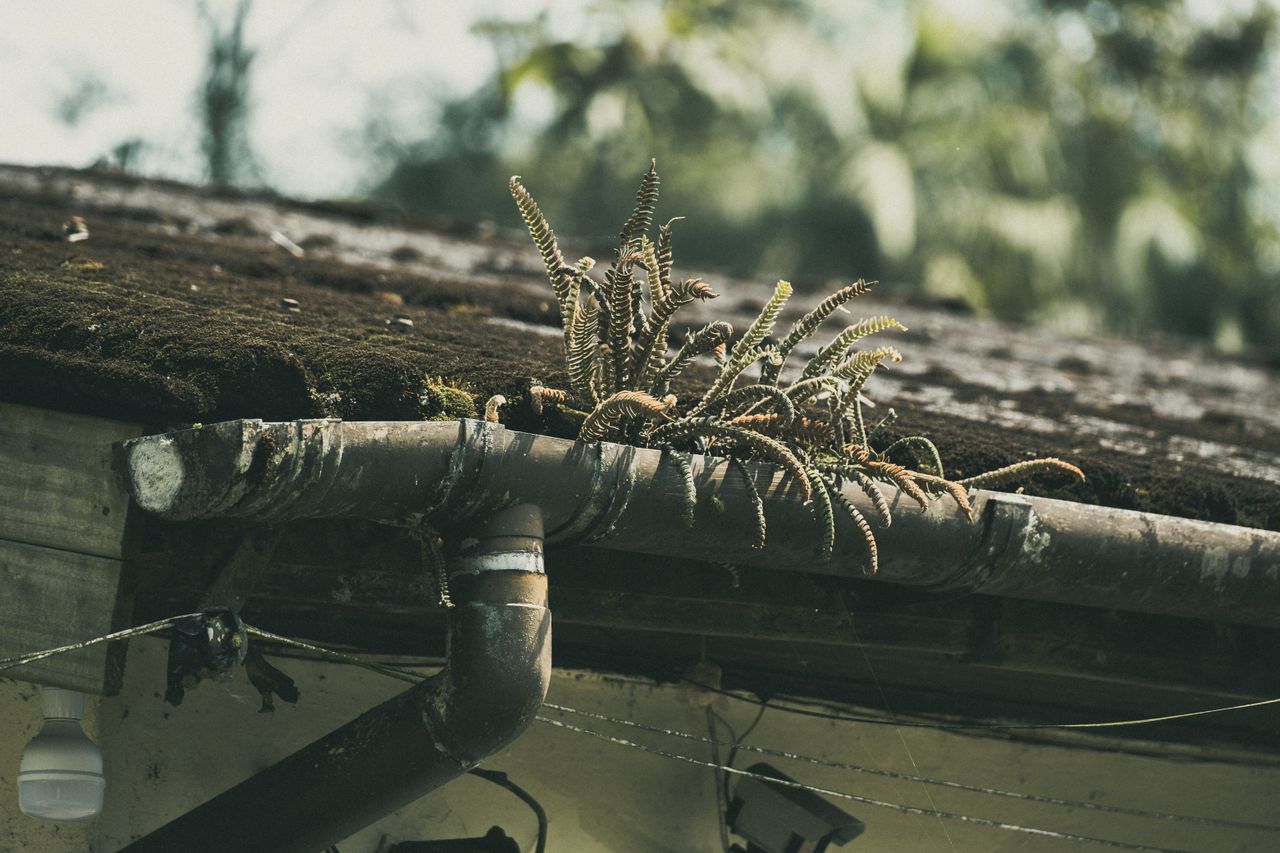
Gutters collect rainwater from the roof and direct it toward designated drainage points. When they become blocked, damaged, or poorly positioned, water may overflow near exterior walls or collect around the foundation.
Common gutter problems include sagging sections, loose brackets, leaking joints, cracks, corrosion, and persistent blockages. These issues may contribute to soil erosion, staining on exterior walls, and moisture problems around the building.
Homeowners who notice these symptoms can learn more about the warning signs in this guide to recognising when gutter replacement may be necessary. Understanding the difference between a repairable defect and widespread deterioration can help them decide when further assessment is needed.
How Can Exterior Inspections Prevent Expensive Repairs?
A seasonal exterior inspection can reveal problems before they become serious. Homeowners can look for damaged siding, deteriorating caulk, loose trim, cracked exterior masonry, blocked downspouts, and areas where water collects after rainfall.
It is also useful to inspect the ground around the property. Soil that slopes toward the foundation, damaged drainage channels, or standing water near exterior walls may contribute to moisture intrusion. Addressing drainage problems can help protect both the building and the surrounding landscape.
Exterior maintenance should be based on the property’s age, local weather conditions, construction materials, and previous repair history. A home exposed to severe storms or prolonged periods of rain may require more frequent inspections than one in a relatively mild environment.
4. When Do Electrical and Mechanical Systems Need Repairs?
Electrical, heating, cooling, and ventilation systems help maintain a home’s safety and comfort. Because many of their components are concealed within walls, ceilings, utility spaces, or equipment enclosures, problems may develop without obvious visual signs. Changes in performance, unusual sounds, recurring faults, or unexplained increases in energy use can indicate that a system needs attention.
Some system problems are relatively minor, such as a worn thermostat or a loose non-electrical fitting. Others can present serious safety risks. Homeowners should understand the difference between basic maintenance and work that requires a qualified professional. Attempting to repair electrical components or complex mechanical equipment without appropriate training can make an existing problem more dangerous.
Electrical Warning Signs to Recognise
Electrical systems should operate reliably under normal household conditions. Repeated faults or unusual changes should not be dismissed as everyday inconveniences.
Warning signs include:
- Circuit breakers that trip repeatedly without an obvious explanation.
- Flickering lights that persist after checking the bulb or fixture.
- Outlets or switches that feel unusually warm.
- Burning smells or visible discolouration around electrical fittings.
- Damaged cords, exposed wiring, or loose electrical components.
- Unusual buzzing sounds coming from electrical equipment.
A single tripped breaker may result from a temporary overload, but repeated tripping can indicate a fault that requires investigation. Burning smells, smoke, sparks, and hot electrical fittings should be treated seriously. If there is an immediate danger, move away from the affected area and contact the appropriate emergency or electrical service.
Homeowners can review this guide to hiring a qualified electrician to understand the importance of checking qualifications, experience, insurance where applicable, estimates, and the scope of proposed work.
Heating and Cooling Problems
Heating and cooling equipment can lose efficiency as filters become clogged, components wear out, or maintenance is neglected. A system that runs constantly, struggles to maintain the desired temperature, produces unusual noises, or distributes air unevenly may need inspection.
Some performance issues can be addressed through routine maintenance, such as replacing filters according to the manufacturer’s recommendations and keeping accessible vents unobstructed. However, refrigerant problems, electrical faults, damaged motors, and complex equipment failures should be handled by qualified technicians.
Ignoring declining performance can increase energy consumption and place additional strain on equipment. Regular servicing, timely repairs, and appropriate replacement decisions can help maintain reliable operation.
Why Is Professional Diagnosis Important?
Symptoms do not always reveal the true cause of a system problem. Flickering lights, for instance, can have different explanations depending on whether the issue affects one fixture or multiple circuits. Similarly, uneven indoor temperatures may result from airflow restrictions, insulation issues, equipment faults, or control problems.
Professional diagnosis helps identify the underlying cause instead of relying on repeated temporary fixes. It also helps homeowners understand the urgency of the problem, compare repair and replacement options, and make decisions based on safety, reliability, and long-term costs.
5. How Do Pests and Poor Indoor Conditions Lead to Repairs?
A home can develop maintenance problems when pests find access to food, water, shelter, or nesting areas. Insects and rodents may enter through small openings around doors, windows, utility lines, foundations, and roof spaces. While some infestations begin as a nuisance, certain pests can damage materials, contaminate food-storage areas, or create conditions that require professional intervention.
Indoor environmental conditions can also contribute to deterioration. Persistent humidity, inadequate ventilation, accumulated dust, and poor drainage may create an environment in which some problems become more likely. Addressing the conditions that allow these issues to develop is often just as important as treating the visible symptoms.
What Signs Suggest a Pest Problem?
Different pests leave different signs, but homeowners should watch for evidence that activity is recurring or spreading.
- Droppings or food damage: These may indicate rodents or insects accessing cupboards, pantries, and storage spaces.
- Small holes or damaged materials: Some pests can damage wood, insulation, fabrics, or stored belongings.
- Repeated insect sightings: Seeing insects regularly, especially in several rooms, may indicate an established infestation.
- Unusual sounds: Scratching or movement in walls, ceilings, and attic spaces may require further investigation.
- Nests or trails: Visible nesting material or repeated insect trails can indicate an access route or nearby food source.
The appropriate response depends on the pest, the extent of the activity, and the affected location. Cleaning, sealing entry points, and removing accessible food sources can help, but established infestations may require professional treatment.
How Can Homeowners Reduce the Risk of Infestations?
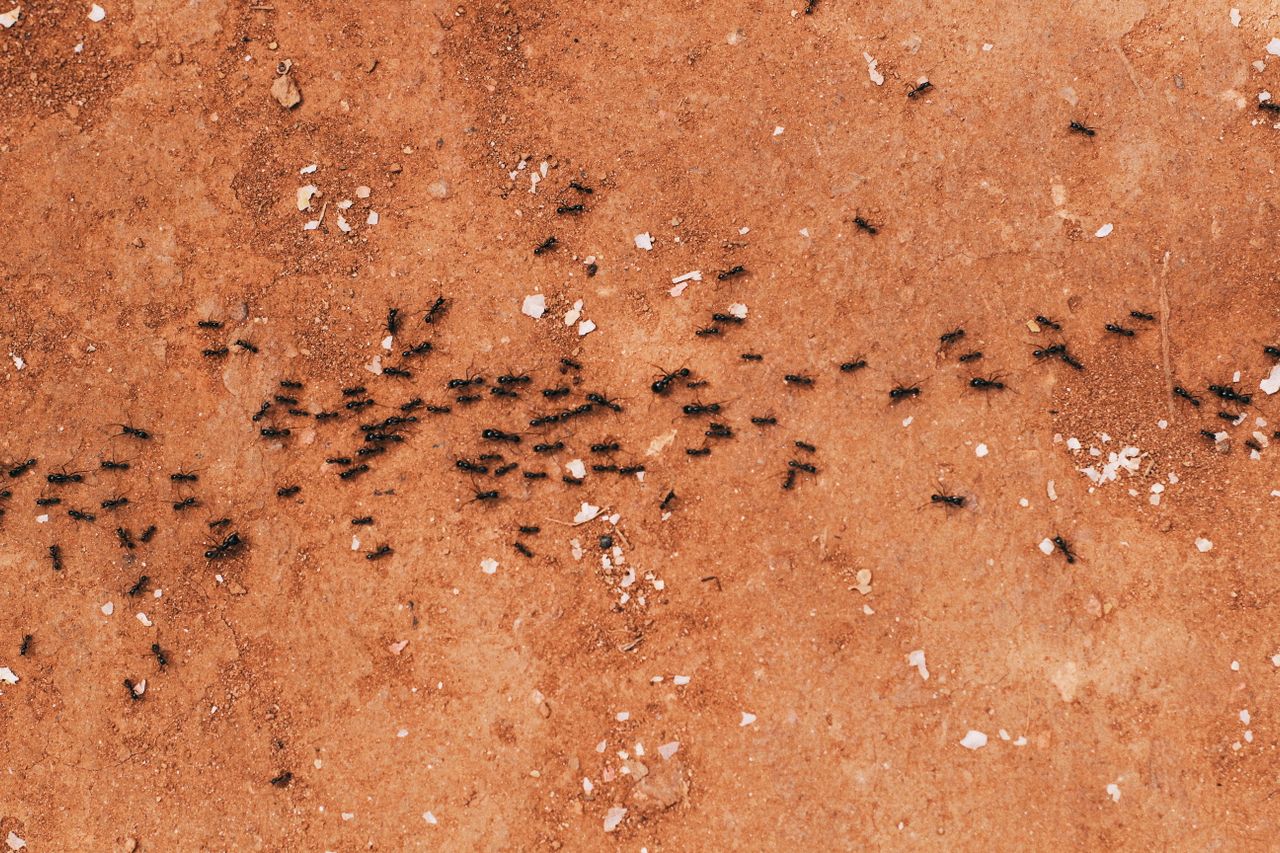
Good housekeeping and building maintenance can reduce the conditions that attract pests. Food should be stored in suitable sealed containers, spills should be cleaned promptly, and rubbish should be removed regularly. Outdoor vegetation and stored materials should also be managed so they do not create unnecessary shelter close to the building.
Homeowners should inspect gaps around pipes, damaged screens, door seals, and other possible entry points. Repairing these openings can reduce access while helping maintain indoor comfort.
For additional guidance, homeowners can consult this article about handling an ant infestation inside the home. The broader lesson is that successful pest management often involves both addressing existing activity and correcting the conditions that attracted pests in the first place.
Can Indoor Humidity Contribute to Repair Needs?
Excess indoor moisture can affect paint, timber, plasterboard, cabinetry, and other building materials. Bathrooms, kitchens, laundry rooms, basements, and poorly ventilated storage spaces may be particularly vulnerable.
Homeowners can reduce excess humidity by using appropriate exhaust fans, repairing leaks, maintaining ventilation, and addressing water intrusion. Condensation on windows or walls may indicate that indoor moisture levels, surface temperatures, or ventilation need attention.
If dampness persists despite basic corrective measures, a professional assessment may be necessary. Identifying the source is essential because condensation, plumbing leaks, and water entering from outside require different solutions.
6. Why Do Structural Changes and Foundation Problems Require Attention?
A home’s structure supports its weight and helps keep walls, floors, roofs, and other components stable. Foundations, load-bearing walls, beams, and framing materials are designed to work together, but changes in soil conditions, water exposure, construction defects, and material deterioration can affect their performance.
Not every crack or uneven surface indicates a major structural problem. Small cosmetic cracks can develop as materials settle or respond to temperature changes. However, significant or progressive changes deserve investigation, especially when several warning signs appear together. Understanding the difference between ordinary cosmetic deterioration and possible structural movement helps homeowners avoid both unnecessary alarm and dangerous delays.
What Are the Common Signs of Structural Problems?
Potential warning signs include:
- Growing cracks in walls: Cracks that widen over time or appear alongside other changes may require professional assessment.
- Doors and windows that stick: New or worsening alignment problems can sometimes indicate movement in the surrounding structure.
- Uneven or sloping floors: Changes in floor level may result from several causes, including structural movement or damaged supporting components.
- Gaps around frames: New gaps between walls, ceilings, floors, and door or window frames may indicate movement or material deterioration.
- Persistent water around the foundation: Poor drainage can contribute to moisture-related problems and, depending on local soil conditions, may affect foundation performance.
- Visible sagging: Sagging rooflines, ceilings, or floors should be investigated to determine the cause and appropriate response.
These signs should be evaluated in context. A professional may need to examine the building’s age, construction type, previous repairs, soil conditions, and drainage history before identifying the cause.
How Can Water Affect a Foundation?
Water management is an important part of protecting a building’s foundation. When rainwater collects beside the structure, enters a basement, or repeatedly saturates nearby soil, it can contribute to dampness and other foundation-related concerns.
The effects vary according to soil composition, climate, foundation design, and drainage arrangements. In some locations, changes in soil moisture can cause movement, while in others, poor drainage primarily creates basement leaks or moisture intrusion.
Homeowners should ensure that downspouts discharge water appropriately and that the surrounding ground does not direct runoff toward the building. Persistent standing water, repeated basement dampness, and unexplained foundation cracks should be assessed rather than managed solely through cosmetic repairs.
Should Homeowners Repair Structural Issues Themselves?
Basic cosmetic maintenance may be suitable for homeowners, but structural problems require greater care. Filling a crack or repainting a wall does not correct an underlying movement issue if one exists.
When structural changes are suspected, a qualified building professional or structural engineer can assess the condition and recommend appropriate next steps. Depending on the findings, the solution may involve drainage improvements, repairs to damaged components, or more extensive structural work.
It is also important to document changes over time. Photographs and dated notes can help show whether a crack is stable or worsening. This information can support a professional assessment and help homeowners make informed decisions.
7. How Can Energy Efficiency and Changing Household Needs Prompt Repairs?
A home can remain structurally sound while becoming less comfortable, less efficient, or less suitable for the people living in it. Changes in energy prices, household size, accessibility needs, working arrangements, and technology can all create reasons to update or repair existing features.
Energy-related repairs may include sealing air leaks, improving insulation, repairing poorly functioning windows, servicing heating and cooling equipment, or replacing inefficient fixtures. Other projects may focus on improving storage, modifying room layouts, updating worn surfaces, or making frequently used areas easier to access.
Not every improvement requires a major renovation. In many cases, targeted repairs can improve comfort and functionality without the expense and disruption of a complete remodel.
What Are the Signs of Poor Energy Performance?
Homeowners may notice that certain rooms are consistently colder or warmer than others, energy bills have increased unexpectedly, or heating and cooling equipment runs longer than usual. Drafts near windows and doors, condensation on glass, and noticeable temperature differences between floors can also suggest that improvements may be needed.
These symptoms do not always have the same cause. A draft may result from worn weatherstripping, while uneven temperatures may be related to insulation, airflow, equipment performance, or the design of the building.
A practical first step is to identify where the problem occurs and whether it changes with the weather or use of the home. Simple measures, such as replacing damaged seals and maintaining equipment, may help. More persistent issues may benefit from an energy assessment or professional inspection.
When Should Homeowners Update Fixtures and Interior Features?
Household needs change over time. A family may require additional storage, a more functional kitchen, improved bathroom accessibility, or better lighting for work and everyday activities. Older fixtures may also become difficult to operate, inefficient, or expensive to maintain.
Repairs and updates can address these concerns while helping preserve the property’s condition. For example, repairing damaged flooring can reduce tripping risks, improving bathroom ventilation can help manage moisture, and replacing faulty fixtures can make everyday tasks easier.
When planning an update, homeowners should consider durability, ease of cleaning, water resistance, maintenance requirements, and suitability for the space. A visually attractive material may not be the best choice if it is difficult to maintain or unsuitable for a high-moisture environment.
Can Outdoor Improvements Support the Home’s Condition?
Outdoor areas also require maintenance. Walkways, patios, retaining walls, steps, and other hard surfaces can deteriorate because of weather exposure, ground movement, drainage problems, and regular use. Uneven paving may create trip hazards, while poor surface drainage can allow water to collect near the house.
Homeowners planning exterior improvements can learn more about hardscaping projects and material choices. Choosing appropriate materials and planning drainage carefully can help outdoor spaces remain functional and easier to maintain.
The goal of home improvement should be to address genuine needs rather than simply follow changing design trends. Prioritising repairs that improve safety, comfort, durability, and usability often delivers more practical value over time.
How Can Homeowners Prioritise Repairs and Control Costs?
Knowing why repairs are necessary is only part of maintaining a property. Homeowners must also decide which problems need immediate attention, which can be scheduled, and how to manage the associated costs. Without a clear plan, it is easy to spend money on visible cosmetic improvements while overlooking faults that could lead to more serious damage.
A practical repair strategy starts with understanding the condition of the home, identifying safety risks, and assessing the consequences of delaying each repair. Homeowners should consider whether a problem is getting worse, whether it affects essential systems, and whether it could damage other parts of the property. These factors help determine the most sensible order of work.
Which Repairs Should Come First?
Although each property is different, the following priorities provide a useful starting point.
- Immediate safety concerns
Problems involving smoke, electrical hazards, unstable structures, gas leaks, or other immediate dangers should be addressed first. Homeowners should move away from hazardous areas and contact appropriate emergency services or qualified professionals when necessary.
- Active water intrusion
Roof leaks, burst pipes, and other sources of ongoing water entry can quickly damage surrounding materials. Limiting the source safely and arranging appropriate repairs can reduce the risk of further deterioration.
- Essential system failures
Faults affecting plumbing, electricity, heating, cooling, or other essential systems should be evaluated according to their severity and the impact on household safety and daily life.
- Problems likely to worsen
Deteriorating exterior seals, blocked drainage, recurring dampness, and damaged building materials may require timely intervention before the damage spreads.
- Cosmetic and optional improvements
Projects such as repainting an otherwise sound room or replacing decorative features can generally be scheduled after urgent maintenance needs have been addressed.
This order is a general guide rather than a substitute for professional advice. A seemingly minor defect may deserve immediate attention if it creates a safety risk, while some visible damage may be cosmetic and relatively stable.
How Can a Home Repair Budget Help?
A repair budget helps homeowners prepare for both planned maintenance and unexpected problems. Rather than estimating costs only when something fails, it is useful to maintain a list of known issues, expected maintenance tasks, and components that may need replacement in the coming years.
Homeowners can organise this list by urgency, estimated cost, and the consequences of postponing each task. Quotes from qualified professionals can help refine the estimates, particularly for work involving structural components, electrical systems, roofing, or concealed plumbing.
It is also sensible to set aside funds for unexpected repairs. The amount will depend on the property’s age, condition, size, and financial circumstances. Older homes or properties with a history of leaks may require a different maintenance strategy from recently built homes with fewer known issues.
Should Homeowners Repair or Replace Damaged Components?
The decision to repair or replace depends on the condition of the component, the cost of the work, the expected remaining service life, and the likelihood of future problems.
A small, isolated defect may be inexpensive to repair, whereas widespread deterioration may make replacement more practical. Homeowners should also consider energy efficiency, compatibility with existing systems, availability of parts, warranty terms, and the cost of repeated repairs.
Obtaining more than one estimate for substantial work can help clarify differences in scope and materials. However, the lowest price does not always represent the best value. Homeowners should compare what each estimate includes, ask about relevant qualifications, and understand the proposed work before making a decision.
Conclusion
Home repairs are a normal part of responsible homeownership, but the reasons behind them can vary from everyday wear and tear to water damage, electrical faults, pest activity, structural concerns, and changing household needs. Recognising warning signs early helps homeowners determine which problems require urgent attention and which can be incorporated into a planned maintenance schedule.
Regular inspections, sensible budgeting, and timely professional advice can reduce the risk of minor issues developing into more extensive repairs. By focusing on safety, protecting the building from moisture, maintaining essential systems, and improving functionality where necessary, homeowners can preserve their property’s condition and create a more comfortable living environment for years to come.